#1 Overall Winner
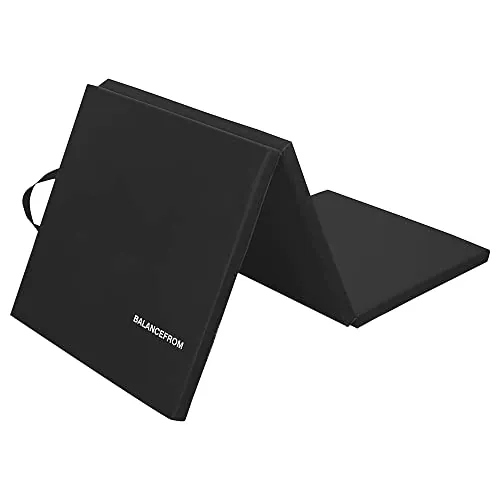
BalanceFrom 6x2 Feet 3-Panel Folding Gymnastics Mat
- Thick 1.5-inch foam padding for floor work, stretching, yoga and tumbling practice.
Comparison
The BalanceFrom folding mat and BeMaxx interlocking tiles both add cushioning to home workouts, but they serve different roles. BalanceFrom is a thick, portable surface for tumbling, yoga, Pilates and floor exercises, whereas BeMaxx is a thin, modular flooring system for protecting a wider area or placing beneath equipment. For comfort-focused training and active floor movement, BalanceFrom is the clearer choice. For configurable coverage in a small home gym, BeMaxx has the practical advantage.
#1 Overall Winner
Contender
Choose the BalanceFrom if you want a thick, portable mat for cushioned floor workouts, stretching, yoga, Pilates or tumbling practice. Choose the BeMaxx set if you need a modular floor-protection area beneath equipment. BalanceFrom is the more versatile training mat; BeMaxx is the more flexible flooring system.
Overall winner
Depends on your needs
| Feature | BalanceFrom 6x2 Feet 3-Panel Folding Gymnastics Mat | BeMaxx Gym Mats Set | Winner |
|---|---|---|---|
| Primary format | Tri-fold continuous foam mat | 18 interlocking EVA tiles | Depends |
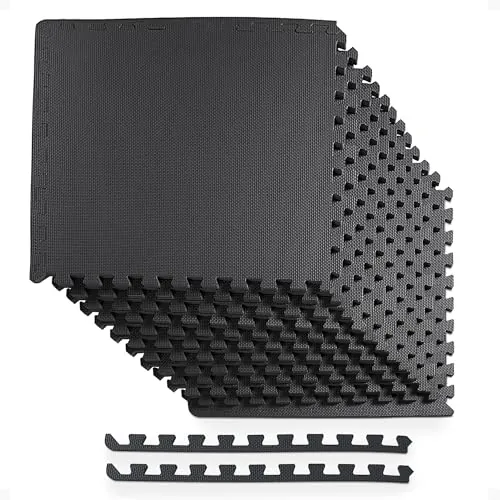
| Listed thickness | 1.5 inches | 0.4 inches | BalanceFrom 6x2 Feet 3-Panel Folding Gymnastics Mat |
| Coverage | 6 ft x 2 ft continuous surface | Approx. 18 sq ft configurable surface | BeMaxx Gym Mats Set |
| Floor exercise comfort | Thick padded surface | Thin EVA cushioning | BalanceFrom 6x2 Feet 3-Panel Folding Gymnastics Mat |
| Equipment floor protection | Portable exercise pad | Protective interlocking flooring | BeMaxx Gym Mats Set |
| Tumbling and gymnastics use | Listed for gymnastics and tumbling | General protective flooring | BalanceFrom 6x2 Feet 3-Panel Folding Gymnastics Mat |
| Stability during movement | Textured continuous vinyl surface | Tiles may separate in some active-use reviews | BalanceFrom 6x2 Feet 3-Panel Folding Gymnastics Mat |
| Layout flexibility | Fixed 6 ft x 2 ft shape; connectable edges | Reconfigurable puzzle-tile layout | BeMaxx Gym Mats Set |
| Storage | Folds with built-in handles | Separate lightweight tiles | Depends |
| Cleaning | Wipe-clean vinyl; water and soap care listed | Wipe with damp cloth | Tie |
| Material disclosure | Foam and vinyl cover described | EVA plus listed material-free details | BeMaxx Gym Mats Set |
| Review consistency | Strong praise for comfort, portability and durability | Positive assembly feedback with mixed stability and durability feedback | BalanceFrom 6x2 Feet 3-Panel Folding Gymnastics Mat |
BalanceFrom is the more practical recovery-support mat for gentle stretching and floor mobility, particularly on hard indoor flooring. Its deeper foam can make a recovery routine more comfortable without requiring several thin mats. BeMaxx offers modest cushioning and may be useful for defining a multi-purpose recovery or play area, but it is principally a floor-protection system. The available product information supports comfort and workout use, not specific recovery outcomes.
BalanceFrom supports training performed directly on the mat: its thicker foam, six-foot uninterrupted length and wipe-clean vinyl surface suit bodyweight circuits, core work, stretching and skill practice. It can also be folded to create different support positions, according to buyer feedback. BeMaxx supports the training environment more than the exercise itself, creating a configurable base for equipment or a modest area for light floor work. For a dedicated exercise surface, BalanceFrom is more useful. For building out a small workout corner around equipment, BeMaxx is more appropriate.
For strength-oriented floor work such as planks, core sessions, mobility drills and bodyweight exercises, BalanceFrom provides more knee, back and forearm cushioning. Reviews specifically describe it as firmer than a typical yoga mat while still padded enough for floor exercises. BeMaxx is more useful under a bench, treadmill or other basic home equipment, where its purpose is to help protect the underlying floor. Its thinner tiles are adequate for light bodyweight work but are not the same as a thick lifting or impact platform.
Neither product is a cardio machine, but both can support a home conditioning space. BalanceFrom offers a continuous, textured surface for low-impact floor cardio, aerobics and martial-arts-oriented movement within its narrow footprint. BeMaxx may help reduce noise and protect the floor beneath cardio equipment such as a treadmill or bike, and its tiles can be sized around that equipment. For active movement performed on the mat, BalanceFrom is the more stable-looking option; for an equipment base, BeMaxx is more suitable.
BalanceFrom has the advantage for mobility, stretching, yoga and Pilates because its 1.5-inch foam creates a more forgiving surface for kneeling, seated and supine positions. Its continuous vinyl cover also removes the seams found in a puzzle-tile layout. BeMaxx can provide a larger configurable area for light stretching, and its EVA tiles add some cushioning over hard flooring. However, the 0.4-inch profile and possibility of separated tiles during movement make it less compelling for users whose priority is comfort throughout a mobility routine.
For gentle post-workout stretching, floor mobility and relaxation-oriented routines, BalanceFrom is the stronger option because the thicker surface better supports prolonged kneeling, lying and seated positions. Buyer feedback repeatedly highlights its comfort on hard floors. BeMaxx can provide a softer-than-bare-floor area for light stretching and can help create a designated home recovery space, but it is less padded. Neither product should be treated as a substitute for individual guidance on pain or injury concerns.
BalanceFrom performs more effectively as a direct exercise mat. Its listed 1.5-inch foam padding, textured vinyl cover and continuous six-foot surface align with its uses for tumbling, yoga, Pilates and floor workouts. Reviews consistently report supportive cushioning, easy storage and useful grip. BeMaxx performs well as a modular protective floor layer: users commonly note simple installation, reasonable cushioning and useful coverage beneath basic equipment. Its performance is less consistent during active movement, however, as some reviewers report tiles separating or shifting. The better-performing choice therefore depends on whether the product will be trained on or placed under equipment.
BalanceFrom offers stronger support for maintaining a varied floor-training routine because one mat can be used for core work, stretching, yoga, Pilates, aerobics and beginner gymnastics practice. The tri-fold design also reduces the friction of setting up and putting away a dedicated training surface. BeMaxx supports routine consistency differently: its modular tiles can establish a permanent or semi-permanent workout zone and protect the area around basic equipment. For beginners who need comfort and a simple ready-to-use surface, BalanceFrom is more accommodating. For a growing home gym with changing equipment placement, BeMaxx offers greater layout flexibility.
BalanceFrom is better for strength sessions that involve direct contact with the floor. The thick padding can make planks, core exercises and kneeling movements more comfortable, while the uninterrupted surface avoids tile joins. BeMaxx is the more relevant choice for protecting a small strength-training area or placing beneath a bench and other basic equipment. However, buyers should not assume the thin EVA tiles are designed to replace a purpose-built platform for every type of high-impact or heavy-load setup, as no such capability is specified.
BalanceFrom is better suited to low-impact cardio and movement drills performed directly on the surface because it is one connected mat with a textured vinyl cover. Its narrow width still limits how much lateral movement is practical. BeMaxx has a different cardio role: its interlocking layout can protect flooring beneath a treadmill or bike and may reduce some impact and noise. Reviews indicate the tiles are less dependable for unweighted jumping or fast movement, so they are not the first choice for dynamic exercise on top of the tiles.
For mobility work, BalanceFrom’s thicker padding is its defining advantage. It provides a more comfortable base for knees, hips, back and hands during long holds, seated positions and floor transitions, while the folding format remains easy to store. BeMaxx is useful when a user wants to cover a broader small area for light stretching, and its tile layout can be tailored to the room. Still, the thinner profile and interlocking seams make it the less focused option for comfort-led yoga, Pilates or flexibility practice.
BalanceFrom is the more practical recovery-support mat for gentle stretching and floor mobility, particularly on hard indoor flooring. Its deeper foam can make a recovery routine more comfortable without requiring several thin mats. BeMaxx offers modest cushioning and may be useful for defining a multi-purpose recovery or play area, but it is principally a floor-protection system. The available product information supports comfort and workout use, not specific recovery outcomes.
BalanceFrom provides a thick, textured surface intended to add cushioning and reduce slipping during indoor floor exercise. Its continuous construction avoids gaps between tiles, which is useful for movement practice. BeMaxx is listed as slip-resistant and provides floor coverage, but feedback indicates that tiles may separate during dynamic use or when not weighted down, which users should consider when selecting activities. BeMaxx also provides more explicit material-free information. In either case, users should ensure the mat is laid flat, use it on an appropriate indoor surface and select activities suited to the available area and cushioning.
Comfort is the clearest difference between the two. BalanceFrom’s 1.5-inch padding is repeatedly praised in reviews for helping users tolerate floor work, yoga and kneeling on hard surfaces. It is described as supportive rather than excessively soft. BeMaxx provides light EVA cushioning that reviewers find comfortable for feet and bodyweight exercise, but the 0.4-inch thickness is specifically viewed by some buyers as too thin for substantial cushioning. Choose BalanceFrom when joint-facing comfort is the main purchasing criterion.
Both products are easy to use, but the setup process differs. BalanceFrom unfolds as one three-panel mat and folds closed with integrated handles for storage or transport. BeMaxx requires tile assembly, but reviews frequently describe the puzzle pieces as easy to connect and the included edge pieces as neat-looking. BalanceFrom is faster for a session that begins and ends in the same day. BeMaxx is more convenient for users who want to leave a configured floor area in place or change its dimensions over time.
The BalanceFrom mat has an advantage in stability because it uses one continuous surface with a textured vinyl finish described as non-slip. Reviews also mention good grip during floor workouts and tumbling practice. BeMaxx tiles may lie securely when installed or weighted by equipment, but some reviews report separation during exercises or movement when the tiles are not held down. For a fixed equipment zone, BeMaxx can work well; for moving directly across the surface, BalanceFrom is more dependable.
BalanceFrom is described as having a textured vinyl surface intended to stay stable on indoor flooring, and reviews mention a grippy surface. BeMaxx is also listed as slip-resistant, with some feedback noting decent grip. However, the interlocking tile format introduces a separate stability issue when users jump or move quickly. For controlled floor exercise and tumbling practice, BalanceFrom has the better-supported grip and surface-control case.
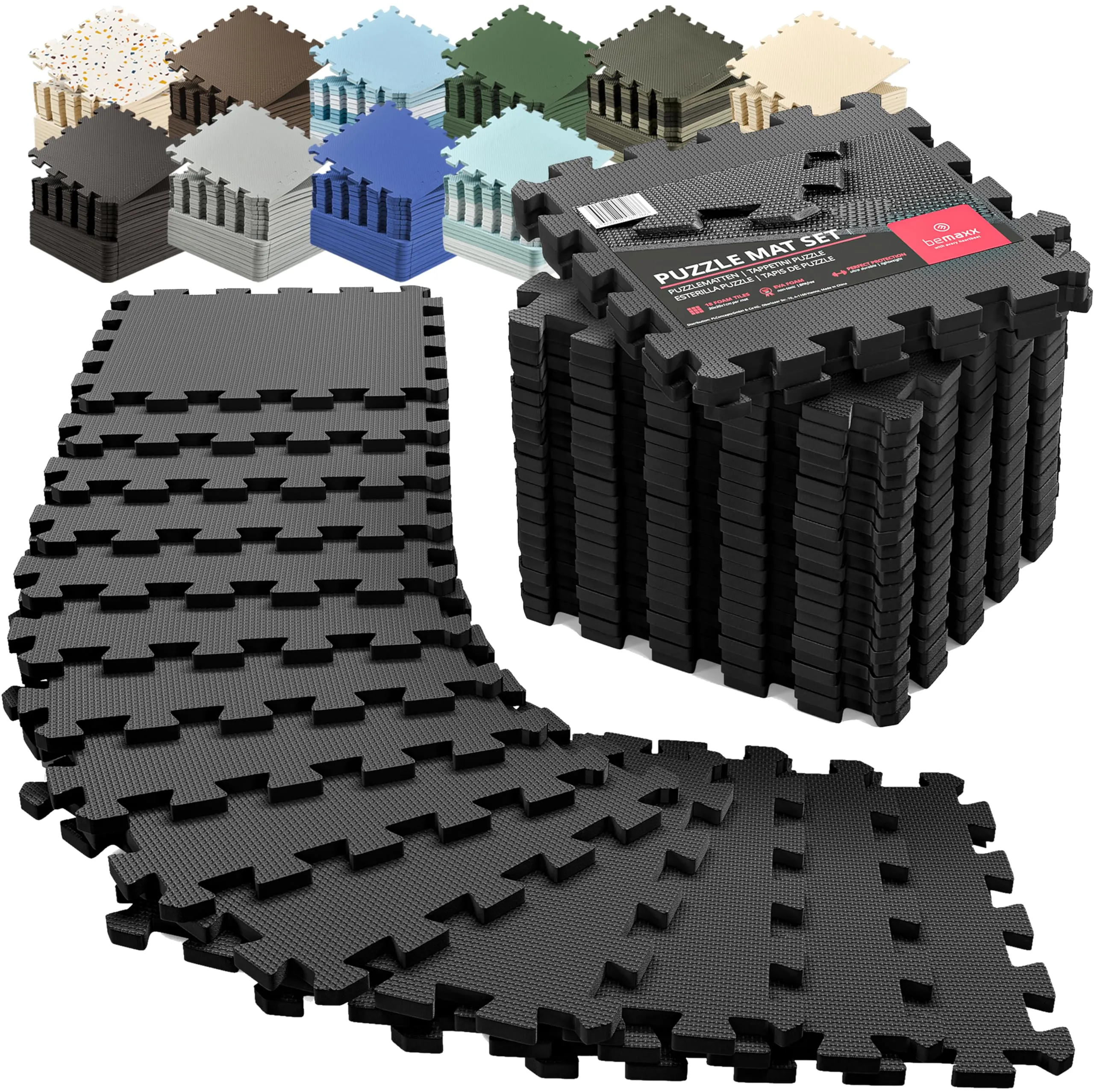
BeMaxx is more adjustable in layout because its 18 puzzle tiles can be assembled into different shapes and expanded with additional sets. This makes it useful for working around equipment, room corners or a changing home-gym plan. BalanceFrom has a fixed open footprint, but its hook-and-loop edges are intended to connect multiple mats and its panels can be folded for storage or used in altered positions. For fine control over floor coverage, BeMaxx is the more flexible system.
BalanceFrom is highly practical for temporary home workouts because it folds into a compact unit and includes carrying handles. It is easy to move from a closet, car or room to the floor, though its folded block is bulkier than thin tiles. BeMaxx is efficient for a permanent small gym because it covers approximately 18 square feet and can be shaped around the available area. For daily put-away storage, BalanceFrom wins; for tailoring installed coverage to a room, BeMaxx is more efficient.
BeMaxx has the clearer noise-control role because the EVA tiles are described as impact- and noise-dampening, and reviews mention reduced noise from running and jumping in play areas. BalanceFrom’s thick foam can also soften direct floor contact during exercise, but its product details focus more on cushioning and portability than dedicated sound reduction. BeMaxx is the better choice when a small equipment or activity area needs an added protective layer between the activity and hard flooring.
BalanceFrom’s build is centred on a foam core, reinforced stitching and a double-sided vinyl cover. Customer feedback commonly describes the mat as sturdy, supportive and able to hold up over time, although concentrated pressure may leave temporary wrinkles or impressions. BeMaxx uses lightweight EVA interlocking tiles with edge pieces. Reviews praise the clean fit and simple assembly, but feedback is more mixed on resilience and whether the pieces remain connected during active use. For a direct-use exercise mat, BalanceFrom has the stronger build case from the available information.
BalanceFrom has more favourable durability evidence in the supplied feedback. Customers report frequent use without ripping, and the vinyl cover is described as moisture-resistant and easy to clean. That said, one review observed wrinkling with heavy pressure in one spot. BeMaxx durability feedback is less settled: some buyers find the tiles sturdy and suitable for daily home use, while others say they are not durable enough for gym flooring. For a product expected to receive repeated direct exercise use, BalanceFrom appears to be the safer choice based on the evidence provided.
Maintenance is simple for both options. BalanceFrom’s vinyl surface is described as moisture-resistant and can be cleaned with water and soap, which suits sweaty floor workouts or shared household use. BeMaxx tiles are listed as waterproof, washable and suitable for wiping with a damp cloth. BalanceFrom has fewer joins to clean, while BeMaxx’s individual tiles can be lifted or rearranged if a particular section needs attention. Neither product requires complex upkeep based on the supplied information.
BalanceFrom is the better portable training mat. It has built-in carrying handles, a tri-fold format and a low listed weight, making it practical to move around the house or take to a studio. BeMaxx tiles are also lightweight, but transporting an assembled set means handling multiple pieces and edge strips. The tiles are more portable as a modular flooring solution, whereas BalanceFrom is easier to carry as one ready-to-use exercise surface.
Material disclosure is clearer for BeMaxx. The product identifies EVA foam and lists the tiles as BPA-free, latex-free, lead-free, phthalate-free and silicone-free. BalanceFrom identifies foam as the mat material and describes a double-sided vinyl cover, but provides fewer material-specific details in the supplied information. This does not establish that one material is inherently better for every user; it simply gives BeMaxx the advantage in the amount of stated composition information.
BalanceFrom offers stronger value for buyers who need meaningful padding for several types of direct floor training. Its price includes a thick folding mat, handles, a vinyl cover and connectable edges, while buyer feedback is especially positive on comfort, versatility and durability. BeMaxx costs less and provides a larger configurable coverage area, which can be good value for basic floor protection beneath equipment. Its value is less clear for users seeking thick cushioning because the tiles are much thinner and reviews are mixed on durability and movement stability. The best value depends on intended use, not just the upfront price.
Both products have substantial available buyer feedback, but the supplied evidence supports greater confidence in the BalanceFrom listing’s consistency. Its reviews and aggregate overview repeatedly align around cushioning, foldability, easy cleaning and versatile home use. BeMaxx has many positive reports for assembly and floor protection, but buyers disagree more on thickness, durability, sizing and value. BeMaxx does provide more explicit material-free details and mentions round-the-clock support, while no comparable warranty detail is supplied for BalanceFrom.
BalanceFrom has stronger buyer sentiment in the provided data, with a higher star average and repeated praise for padding, portability, versatility, grip and ease of storage. Several reviews describe it as useful across family exercise, yoga and beginner gymnastics practice. BeMaxx also has a large review base and many buyers appreciate its simple puzzle assembly, floor protection and use beneath equipment. However, its feedback is more mixed: some users describe the tiles as thin, too light for active movement or less durable than expected. Satisfaction therefore appears more consistent for BalanceFrom.
BeMaxx mentions access to a 24/7 support team if buyers are not satisfied, but the supplied information does not state a warranty length, return period or replacement process. No warranty or support details are provided for BalanceFrom. As a result, there is not enough information to make a meaningful warranty comparison. Buyers who place high importance on after-sales coverage should confirm current terms before purchase.
BalanceFrom’s main claims are reasonably aligned with its disclosed format and reviews: the product is identified as a folding foam mat with a vinyl surface, handles, listed dimensions and 1.5-inch padding, while buyers commonly confirm cushioning, portability and easy cleaning. BeMaxx clearly discloses its tile count, approximate coverage, EVA material, thickness and material-free claims. Reviews support simple assembly and floor protection, but provide less consistent support for durability, stability during dynamic movement and cushioning expectations. Neither product’s listing should be read as proof of outcomes beyond ordinary exercise-mat and floor-protection use.
The BalanceFrom Folding Gymnastics Mat is the overall winner for most people seeking an exercise mat. Its main strength is the combination of 1.5-inch cushioning, a stable continuous surface, simple folding storage and strong buyer feedback across yoga, Pilates, floor workouts and tumbling. Its main limitation is the narrow width, which may not suit every exercise style.
The BeMaxx Gym Mats Set is not a direct replacement for a thick folding pad; it is the better choice for modular floor protection and equipment placement. Its strengths are flexible coverage, easy assembly and stated EVA material details, while its limitations are thin padding and mixed reports on durability and tile stability. Select BalanceFrom for training comfort and BeMaxx for configurable home-gym flooring.

Overall winner
Depends on your needs
The BalanceFrom is the stronger all-round choice for cushioned floor training, yoga, Pilates and beginner tumbling because it provides a thick, continuous padded surface. The BeMaxx set is the more suitable choice when the priority is creating configurable floor coverage beneath equipment or across a small home-gym zone. The better option depends on whether cushioning or coverage matters more.
For users who want added support while kneeling, lying down or moving through floor-based work, the BalanceFrom mat is the better fit. Its listed 1.5-inch padding and continuous surface are more suited to comfort-focused sessions. BeMaxx tiles can work for light yoga or stretching, but their thinner profile and puzzle seams are less ideal for users seeking deeper cushioning.
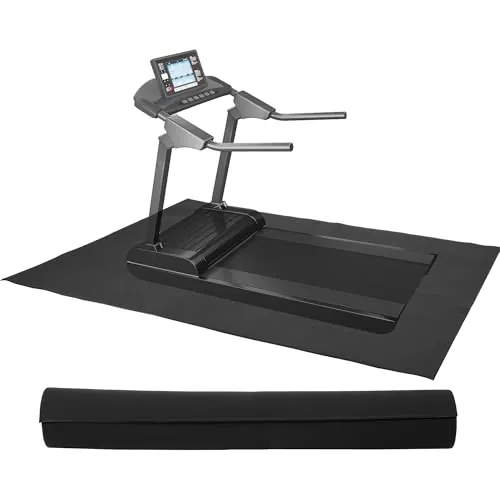
Yes. The BeMaxx set is specifically positioned as protective flooring for small home-gym spaces and is reviewed positively for use beneath basic equipment such as treadmills and weight benches. Measure the equipment footprint first: one set covers approximately 18 square feet. It is primarily a floor-protection layer rather than a thick impact-training mat.
The BalanceFrom mat is listed for gymnastics and tumbling and has a six-foot continuous surface with 1.5-inch foam padding. Reviews describe it as useful for beginner skills such as walkovers, rolls and handstands. It is a home exercise mat, so buyers should match its size and cushioning to the activity and use appropriate supervision and training progression.
Both suit compact homes in different ways. BalanceFrom folds into a single unit with carrying handles, making it convenient to put away between workouts. BeMaxx tiles can be assembled only where needed and separated for storage or relocation. Choose BalanceFrom for quick fold-away use, or BeMaxx when a custom-shaped floor area is more useful.
Both are designed for straightforward cleaning. BalanceFrom has a vinyl cover that is described as moisture-resistant and wipe-clean, with water and soap listed for care. BeMaxx’s EVA tiles are listed as washable and should be wiped with a damp cloth. The folding mat has fewer joins, while individual BeMaxx tiles may require cleaning around their interlocking edges.
Evidence is mixed. Some reviews say the pieces fit together securely and work well for light workouts, while others report that tiles can separate during active movement or feel too light unless weighted by equipment. For jumping or fast lateral drills, the BalanceFrom’s single continuous surface is the more predictable option based on the provided feedback.
BalanceFrom appears to offer stronger value for users who specifically need thick cushioning, portability and versatile floor-training support. BeMaxx can be good value for small-scale floor protection because its tiles are configurable and priced lower, but reviews are less consistent on durability, thickness and stability. Value therefore depends on the intended role rather than price alone.
Check our rankings and expert guides to find the best fitness products for your goals.