#1 Overall Winner
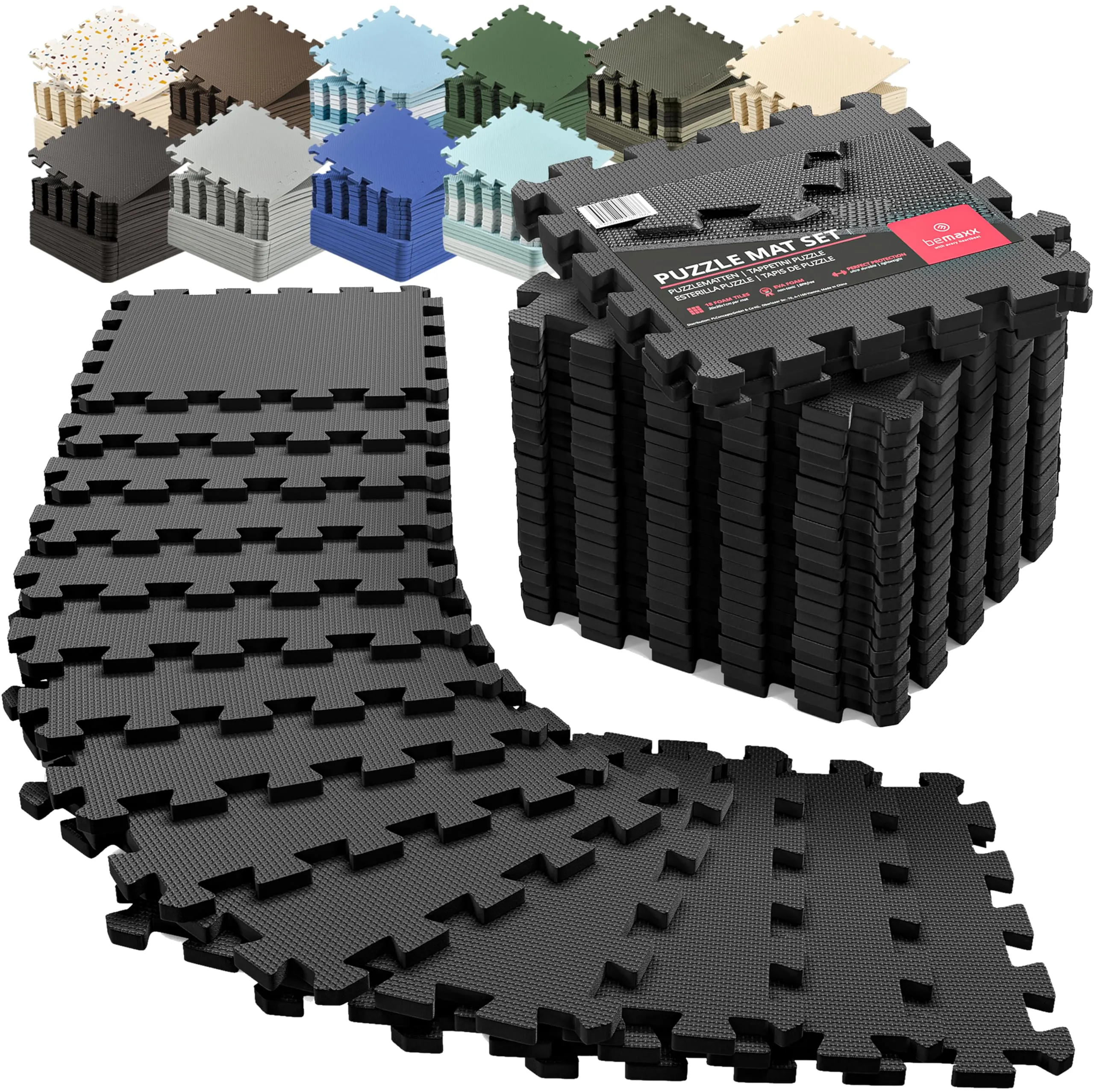
BeMaxx Gym Mats Set
- Modular 18-tile format can be arranged to suit a small workout area.
Comparison
BeMaxx Gym Mats Set and the Gaiam Essentials 10mm Yoga & Pilates Mat are affordable foam surfaces for home exercise, but they serve different roles. BeMaxx creates a configurable protective floor area for small equipment and workouts, while Gaiam prioritizes a cushioned personal surface for yoga, Pilates, stretching, and floor work. Choose based on whether you need broader floor coverage or more comfort directly beneath your body.
#1 Overall Winner
Contender
Choose BeMaxx for configurable home-gym flooring, basic equipment underlay, and a small protected workout zone. Choose Gaiam for yoga, Pilates, stretching, and comfortable floor-based training. Neither is clearly superior in every setting: the deciding factor is coverage and modularity versus a softer personal exercise surface.
Overall winner
Depends on your needs
| Feature | BeMaxx Gym Mats Set | Gaiam Essentials 10mm Yoga & Pilates Mat | Winner |
|---|---|---|---|
| Primary format | 18 interlocking EVA tiles with edge pieces |
Single roll-up NBR exercise mat |
Depends |
| Listed dimensions | 12.6 by 12.6 inch tiles; about 18 sq ft total |
72 by 24 inches |
Depends |
| Thickness | 0.4 inches |
0.39 inches / 10mm |
Tie |
| Material | EVA foam |
Nitrile butadiene rubber foam |
Depends |
| Floor protection | Designed for floor and equipment protection |
Designed for personal floor exercise cushioning |
BeMaxx Gym Mats Set |
| Yoga and Pilates use | Suitable for light stretching and floor exercise |
Designed for yoga, Pilates, and floor routines |
Gaiam Essentials 10mm Yoga & Pilates Mat |
| Cushioning comfort | Moderate cushioning; thinness feedback is mixed |
Extra-thick, comfort-focused foam |
Gaiam Essentials 10mm Yoga & Pilates Mat |
| Modularity | Expandable puzzle-tile layout |
Fixed one-piece format |
BeMaxx Gym Mats Set |
| Portability | Lightweight individual tiles |
Rolls up with carrying strap |
Gaiam Essentials 10mm Yoga & Pilates Mat |
| Noise handling | Listed as impact- and noise-dampening |
No specific noise-reduction information provided |
BeMaxx Gym Mats Set |
| Stability feedback | May separate during active movement |
Softness can challenge balance for some users |
Depends |
| Durability feedback | Mixed reports on gym-floor durability |
Mixed reports, including occasional tearing |
Tie |
| Routine cleaning | Wipe clean; soap and water stated in listing details |
Hand wash / damp-cloth cleaning |
BeMaxx Gym Mats Set |
| Price at supplied listing | $24.29 |
$24.98 |
Depends |
Gaiam offers the more comfortable base for a recovery-oriented stretching routine, especially for users who spend time lying, kneeling, or seated on hard flooring. Its soft, thick construction is a recurring positive in buyer feedback. BeMaxx may still be useful where a larger protected area is needed for gentle mobility or floor work, and its stated insulating and impact-dampening properties are relevant to home spaces. The evidence supports surface comfort, not specific recovery outcomes.
BeMaxx supports a broader training area rather than one person's fixed exercise position. It is useful for creating a base for light workouts, stretching, and basic equipment placement, with tiles that can be extended using additional sets. Gaiam is more specialized for individual floor-based routines: its continuous 72-inch surface avoids puzzle seams and its soft foam favors yoga, Pilates, core work, and stretching. For a mixed home-gym setup with equipment, BeMaxx has the stronger role. For a repeatable mat-based workout routine, Gaiam is the more direct choice.
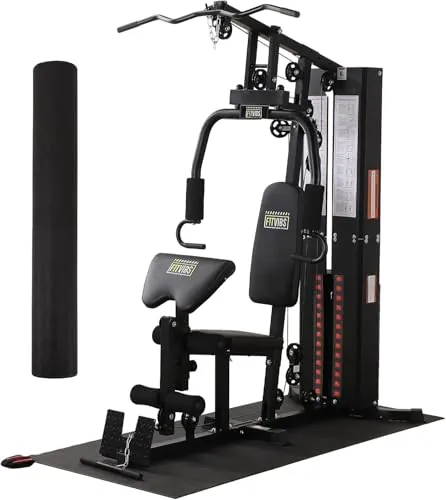
For strength-oriented home setups, BeMaxx is the more relevant of the two because it is intended to protect flooring under basic equipment and weight-workout areas. Its tiles can be arranged around a bench or machine, although the supplied information does not establish it as dedicated heavy-lifting flooring. Gaiam is more appropriate for bodyweight strength work, core training, and exercises performed lying or kneeling. Its soft cushioning improves comfort but is not a substitute for a broad equipment-protection layer.
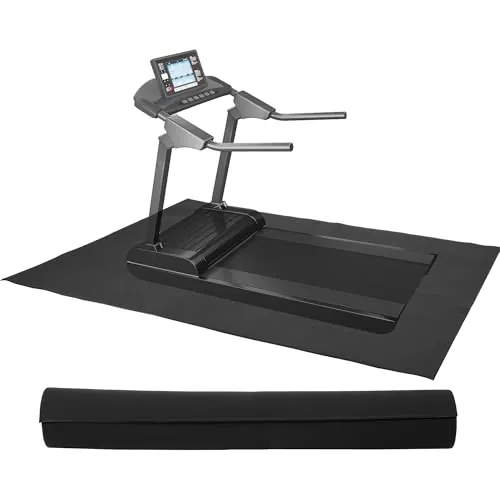
Neither mat is a dedicated cardio product, but BeMaxx is the more practical option around stationary home equipment because it is marketed for use under treadmills and bikes and for floor protection. The tile format can also cover a small exercise zone. Gaiam can support low-impact floor routines, but its main purpose is personal cushioning rather than machine placement or repeated high-movement cardio. For active movement, both require realistic expectations: BeMaxx tiles may separate according to some reviews, while Gaiam's soft surface may not suit every balance-demanding routine.
Gaiam has the clearer advantage for mobility, flexibility, yoga, and Pilates. Its full-length, one-piece 10mm foam surface gives a continuous padded area for kneeling, reclining, and stretching positions, and reviewers frequently highlight its comfort on hard floors. BeMaxx also works for light stretching and floor exercise, especially when a larger configurable area is useful. However, seams between tiles and mixed feedback about shifting under active movement make it less purpose-built for a focused mat practice.
For gentle post-workout stretching and floor-based recovery routines, Gaiam is the more suitable choice because the thicker NBR foam is specifically positioned around comfort for knees, hips, and other contact points. BeMaxx can add insulation and cushioning across a workout area and may be useful as a general floor layer for mobility work. Neither product should be treated as a medical or therapeutic tool; their supported role is providing a more comfortable surface for low-impact movement and stretching.
Each product performs best when used for its intended format. BeMaxx is designed to create a protective, customizable floor layer, and positive feedback supports easy interlocking assembly, useful coverage for small spaces, and cushioning beneath light equipment or bodyweight workouts. Gaiam performs more strongly as a personal exercise mat, with repeated buyer praise for its thick, soft feel during yoga, Pilates, and floor exercise. The main performance caveats are durability and stability: BeMaxx tiles can separate during movement, while Gaiam's soft foam and some reports of tearing may limit certain high-demand uses.
Gaiam is especially supportive of consistent mat-based training because it is quick to unroll, provides a defined 72 by 24 inch space, and includes a strap for storage or transport. Its cushion is useful for beginners building a yoga, Pilates, stretching, or core routine on hard floors. BeMaxx supports training consistency differently: it helps establish a dedicated home-gym zone and can be configured around space constraints. It is more useful for mixed light home workouts and equipment placement, but less convenient than a one-piece mat for a session that requires uninterrupted floor contact.
BeMaxx is the stronger choice for light strength-training environments because it can protect a larger section of floor and sit beneath basic equipment. The interlocking construction provides layout flexibility, but feedback that tiles may separate means it is better suited to stable placement than explosive, high-movement drills. Gaiam is more appropriate for bodyweight strength, core work, and kneeling exercises, where its thick foam improves contact comfort. Its softer construction does not make it the preferred option for equipment-based loading or a wide lifting area.
BeMaxx has the more relevant cardio-support role for a compact home setup because the listing identifies treadmill and bike use, while its foam is described as impact- and noise-dampening. The total coverage per set is limited, so buyers should measure an equipment footprint before purchasing. Gaiam can be used for low-impact fitness and floor conditioning, but it is not specified as a machine mat. Its comfort-focused foam and one-person dimensions make it better for mat routines than for high-movement cardio or equipment underlay.
Gaiam is better aligned with flexibility work because its 10mm NBR foam provides a continuous cushioned platform for long holds, seated work, and positions involving knees, hips, or wrists. Buyers repeatedly describe the padding as comfortable on hard floors. BeMaxx offers a broader, configurable surface that can accommodate stretching, but its thinner-feeling tile format and seams are less focused on individual yoga or Pilates practice. Choose BeMaxx only when floor coverage matters as much as the mobility routine itself.
Gaiam offers the more comfortable base for a recovery-oriented stretching routine, especially for users who spend time lying, kneeling, or seated on hard flooring. Its soft, thick construction is a recurring positive in buyer feedback. BeMaxx may still be useful where a larger protected area is needed for gentle mobility or floor work, and its stated insulating and impact-dampening properties are relevant to home spaces. The evidence supports surface comfort, not specific recovery outcomes.
Both products can make hard-floor exercise more comfortable, but safe use depends on matching the mat to the activity. BeMaxx is designed as a slip-resistant protective layer and is useful under basic equipment, yet some reviewers report that tiles separate during active movement. Check that interlocks are fully seated and avoid assuming it is a dedicated heavy-impact or heavy-lifting surface. Gaiam's thick foam may cushion floor contact, but its softness can affect balance for some poses, and feedback on tearing is mixed. Keep either surface clean and dry, inspect it for wear, and use a stable floor underneath.
Gaiam is the clear comfort-focused choice. Its 10mm NBR foam is specifically described as extra-thick cushioning for yoga, Pilates, stretching, and floor exercises, and customer feedback repeatedly highlights comfort for knees, hips, wrists, and hard floors. BeMaxx provides useful cushioning for a protective floor system and is described positively for light workouts, but users seeking plush padding may find it thin. Choose Gaiam for direct body comfort; choose BeMaxx when cushioning is one part of a broader flooring role.
Both products are easy to use, but in different ways. BeMaxx tiles are lightweight, quick to interlock, and simple to wipe clean; their modular design makes it easy to fit an awkward corner or create a larger area with more sets. Gaiam is simpler for a single exercise session: unroll it, use it, wipe it down, and secure it with the carrying strap. BeMaxx has more initial assembly but greater layout flexibility, while Gaiam has less routine setup friction for individual practice.
Neither product has a decisive stability advantage across all exercises. BeMaxx has an anti-slip surface, and some buyers say its pieces fit and stay together well, but other reviews say tiles can pull apart during jumping or unweighted movement. Gaiam's textured surface receives positive grip comments, yet its thick, soft foam can make balance more challenging for some users. BeMaxx is most stable when laid correctly and used as a floor layer; Gaiam is most appropriate for controlled, dry, low-impact practice.
Both products provide some grip-oriented features, but the evidence is mixed. BeMaxx lists a slip-resistant EVA surface, and one review described decent grip. Gaiam uses a textured foam surface, with several buyers describing it as grippy or non-slipping during their routines. Neither listing establishes suitability for wet or highly sweat-intensive use. For either option, a clean, dry hard floor and the chosen movement style will affect traction.
BeMaxx has the meaningful adjustability advantage because its puzzle tiles can be arranged into different shapes and expanded by adding more sets. This is useful for fitting a garage corner, an equipment footprint, or a small bodyweight area. Gaiam has a fixed 72 by 24 inch exercise surface; its carrying strap is adjustable, but the mat itself does not change size or configuration. Users who need a tailored training footprint should choose BeMaxx.
Both products work well in limited spaces, but their storage approaches differ. BeMaxx allows buyers to cover only the area they need, rearrange the tiles, or stack them when not in use. Gaiam rolls into a compact format and includes a strap, which is especially convenient when the workout area must be cleared after every session. BeMaxx is more space-efficient for a permanent or semi-permanent small gym zone; Gaiam is more efficient for temporary exercise in a shared room.
BeMaxx has the clearer noise-management case. The EVA tiles are listed as impact- and noise-dampening, and reviews mention reduced sound from exercise and play. That can be useful for a small equipment area or bodyweight training over hard flooring. The supplied Gaiam information emphasizes cushioning and comfort rather than noise reduction, so there is not enough evidence to make a comparable noise-performance claim for the roll-up mat.
Both products use lightweight foam construction, so build quality should be assessed against their intended use rather than against heavy commercial gym flooring. BeMaxx's interlocking EVA tiles, edge pieces, and anti-slip surface are practical design features for a neat, configurable setup. Gaiam's NBR foam, textured surface, and roll-up form prioritize a soft personal exercise experience. Customer feedback is favorable about initial feel and usability for both, but neither has universally positive durability feedback. BeMaxx is more purpose-built for a floor zone; Gaiam is more purpose-built for cushioned body contact.
Durability is a shared uncertainty. BeMaxx customers are divided between reports that the tiles hold together well and comments that they are not durable enough for gym flooring. Gaiam also receives mixed feedback: many buyers call it sturdy for yoga and stretching, while others report early holes or tearing. Neither product is presented in the supplied data as a heavy-duty commercial solution. BeMaxx may be the better match for light equipment protection, while Gaiam should be treated as a comfort-focused mat for low-impact routines and handled accordingly.
Both mats are low-maintenance options for regular home use. BeMaxx lists damp-cloth care and states that the EVA foam can be cleaned with soap and water; separate tiles may also make it easier to access a localized spill or floor area. Gaiam lists hand-wash care and can be wiped with a damp cloth, although buyers should air it out initially if foam odor is present. Routine cleaning and dry storage are sensible for either product, particularly after sweat-heavy sessions.
Gaiam is the stronger portable option. It weighs 930 grams, rolls up quickly, and includes a carrying strap intended for moving between rooms, classes, or storage. BeMaxx is also lightweight at 2.65 pounds, but transporting and reassembling 18 separate tiles is less convenient for frequent travel. Its portability is better understood as easy relocation within a home rather than a grab-and-go class mat.
BeMaxx provides more detailed material disclosure. It identifies EVA foam and specifies that the product is BPA-free, latex-free, lead-free, phthalate-free, and silicone-free. Gaiam identifies its material as nitrile butadiene rubber and describes it as low-odor foam, but the supplied specifications provide fewer material-exclusion details. Both products provide basic dimensions and care guidance. For buyers with a specific material preference or avoidance requirement, BeMaxx offers the clearer disclosure in the information provided.
At the supplied prices, the two products cost almost the same, so value is determined primarily by intended use rather than sticker price. BeMaxx offers approximately 18 square feet of modular coverage, edge pieces, and a flooring-focused format, which can be useful value for a small equipment or workout zone. Gaiam offers a full-length 10mm personal exercise mat, a strap, and stronger buyer feedback around comfort and everyday mat use. BeMaxx is the better-value fit for configurable floor protection; Gaiam is the better-value fit for cushioned yoga, Pilates, and floor exercise.
Gaiam has the stronger brand-confidence signal in the supplied comparison data, alongside a larger review base and higher overall buyer rating. Its product description, dimensions, material, care instructions, and included strap are also clearly stated, although one review noted a missing strap. BeMaxx provides detailed material exclusions and a stated 24/7 support offer, which improves product-level transparency. Its buyer feedback is broadly positive, but there is more disagreement about thickness, durability, sizing, and value. Both should be judged by the specific use case rather than brand alone.
Both products have substantial review histories and generally favorable feedback. BeMaxx buyers often praise easy assembly, practical floor protection, cushioning for light exercise, and suitability for small garage gyms. Recurring concerns include thinness, tile separation during movement, durability, and expectations around size or color. Gaiam has a higher listed star rating and more reviews, with repeated praise for cushioning, yoga and Pilates comfort, portability, and value. Its recurring drawbacks are occasional odor, mixed stability feedback, reports of early wear, and an isolated missing-strap report.
The supplied specifications support the basic use claims for both products more clearly than any broader performance implication. BeMaxx documents its tile count, approximate coverage, EVA material, thickness, listed material exclusions, and care instructions; buyer feedback broadly supports easy assembly and floor protection, while qualifying durability and stability claims. Gaiam documents 10mm NBR foam, dimensions, weight, care, and carrying strap; customer feedback supports comfort for yoga, stretching, and low-impact floor exercise, while qualifying durability and balance claims. Neither product should be assumed to provide more than the stated surface protection and cushioning functions.
Neither product is a universal winner because they solve different home-fitness problems. BeMaxx Gym Mats Set is the better choice for modular floor protection, a small equipment zone, and layouts that need to fit a specific area. Its key limitation is mixed feedback on tile security and long-term durability during active use. Gaiam Essentials is the better choice for yoga, Pilates, stretching, and low-impact floor exercise thanks to its notably cushioned, full-length design and easy roll-up storage. Its main trade-offs are a softer balance surface, occasional odor, and mixed wear reports. Select BeMaxx for the room; select Gaiam for the workout mat.
Overall winner
Depends on your needs
The better choice depends on the job. BeMaxx is the more suitable option for creating a configurable protective area under small home-gym equipment or for covering part of a floor. Gaiam is the stronger fit for an individual yoga, Pilates, stretching, or bodyweight session where thicker personal cushioning is the priority.
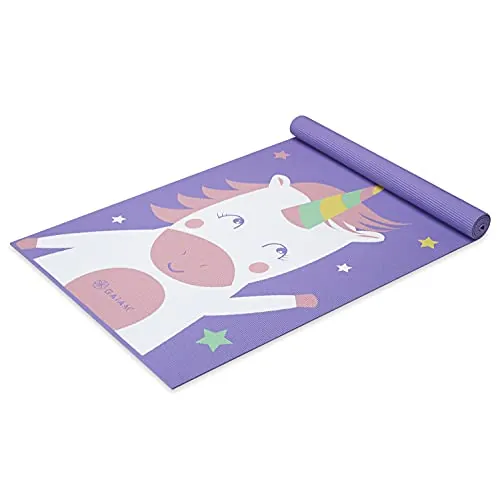
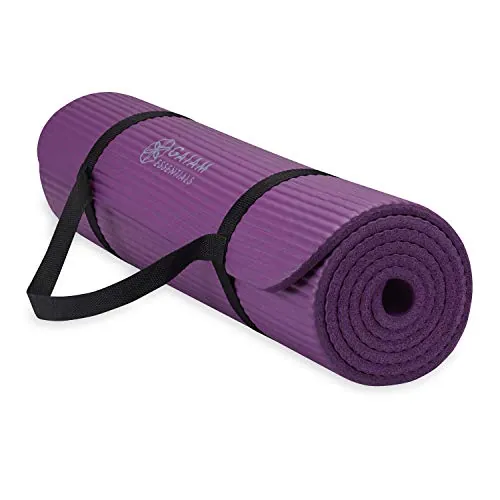
The Gaiam mat is the more focused yoga and Pilates option. Its 72 by 24 inch one-piece format, 10mm NBR foam, textured surface, and included carrying strap are all aligned with individual floor practice. BeMaxx can support stretching, but its tile layout is primarily designed for configurable floor coverage.
BeMaxx is generally the more practical choice for a small home gym because its 18 interlocking tiles can be shaped around a workout zone and placed under basic equipment. Measure carefully first: one set covers about 18 square feet, so a treadmill, bench, or wider training area may require additional sets.
Gaiam is the better option when cushioning at the point of contact is most important. Its thick NBR foam is specifically positioned for yoga, Pilates, stretching, and floor exercise, and buyers often praise its soft feel. BeMaxx provides cushioning, but reviews and specifications indicate it is thinner-feeling for dedicated floor work.
They can be used for light workouts, bodyweight exercise, and floor protection, but active movement is an important consideration. Some reviewers say the pieces stay connected well, while others report that tiles can separate during jumping or movement when they are not weighted down. A stable layout and intended exercise style matter.
Yes. The Gaiam mat is designed to roll up and includes an adjustable carrying strap, making it convenient for storage or moving between rooms and classes. Most feedback supports its portable design, although one buyer reported that a strap was missing from their order, so it is sensible to check included components on arrival.
Both are straightforward to maintain for routine home use. BeMaxx lists damp-cloth cleaning and says the EVA tiles can be cleaned with soap and water. Gaiam lists hand-wash care and says its NBR foam can be wiped with a damp cloth. Neither product requires a complex cleaning routine in the supplied information.
The supplied information does not establish either product as dedicated heavy-lifting or high-impact flooring. BeMaxx is the more relevant choice for basic equipment underlay and floor protection, but its durability and tile security receive mixed feedback. Gaiam is a soft personal exercise mat, better suited to low-impact and floor-based routines.
Check our rankings and expert guides to find the best fitness products for your goals.