#1 Overall Winner
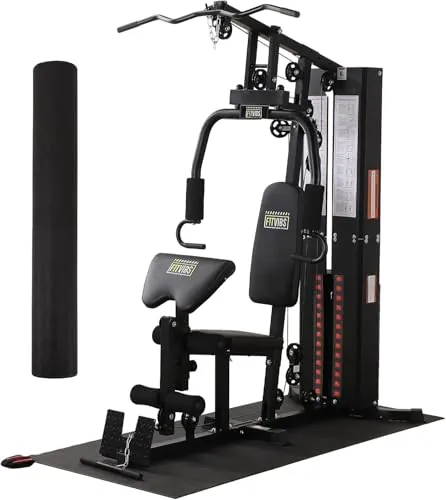
Fitvids High Density 1/4-Inch Thick Gym Equipment Mat
- Dense 1/4-inch rubber construction is designed to protect floors beneath treadmills, bikes, and other equipment.
Comparison
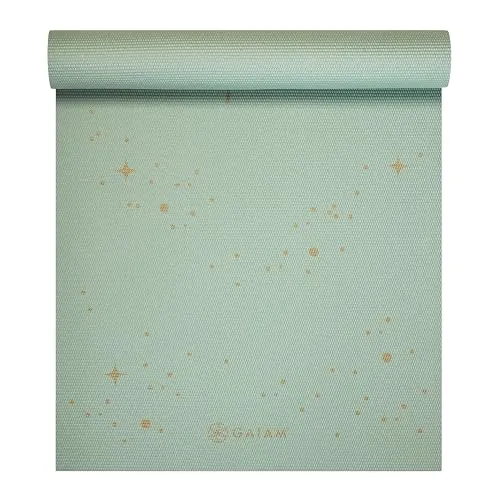
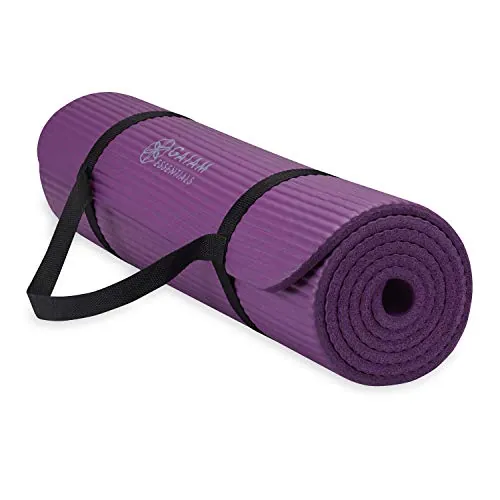
The Fitvids High Density Gym Equipment Mat and Gaiam Essentials 10mm Yoga Mat are both practical home-workout surfaces, but they are designed for different tasks. Fitvids is the stronger choice for stabilizing and protecting floors beneath treadmills and bikes, while Gaiam prioritizes soft cushioning for yoga, Pilates, stretching, and bodyweight exercise. Choose based on whether your main need is equipment support or comfortable floor training.
#1 Overall Winner
Contender
Choose the Fitvids if you need a sturdy base for a treadmill, bike, or other home-gym equipment and want reliable floor protection. Choose the Gaiam Essentials if comfort for yoga, Pilates, stretching, and floor exercise is the priority. Fitvids is firmer and more durable; Gaiam is thicker, lighter, and easier to transport.
Overall winner
Depends on your needs
| Feature | Fitvids High Density 1/4-Inch Thick Gym Equipment Mat | Gaiam Essentials 2/5-Inch Thick Yoga & Pilates Mat | Winner |
|---|---|---|---|
| Primary role | Equipment and floor-protection mat | Yoga, Pilates, and floor-exercise mat | Depends |
| Material | Rubber; PVC free | Nitrile butadiene rubber foam | Depends |
| Thickness | 1/4 inch | 10 mm / 2/5 inch | Gaiam Essentials 2/5-Inch Thick Yoga & Pilates Mat |
| Listed dimensions | 78 by 36 inches | 72 by 24 inches | Fitvids High Density 1/4-Inch Thick Gym Equipment Mat |
| Listed weight | 6.5 pounds | 930 grams | Gaiam Essentials 2/5-Inch Thick Yoga & Pilates Mat |
| Treadmill and bike use | Specifically designed for equipment | Not positioned as an equipment base | Fitvids High Density 1/4-Inch Thick Gym Equipment Mat |
| Yoga and Pilates comfort | Firm surface with limited cushioning | Extra-thick cushioned foam | Gaiam Essentials 2/5-Inch Thick Yoga & Pilates Mat |
| Stability | Slip-resistant equipment foundation | Textured foam; mixed balance feedback | Fitvids High Density 1/4-Inch Thick Gym Equipment Mat |
| Durability feedback | Frequently praised for lasting use | Mixed; some reports of holes or tears | Fitvids High Density 1/4-Inch Thick Gym Equipment Mat |
| Portability | Large, heavier fixed-use format | Rolls up with carrier strap | Gaiam Essentials 2/5-Inch Thick Yoga & Pilates Mat |
| Noise management | Noise reduction is a stated feature | No specific noise feature provided | Fitvids High Density 1/4-Inch Thick Gym Equipment Mat |
| Listed price | $34.99 | $24.98 | Depends |
Gaiam is more practical for post-training stretching, gentle mobility, and other low-impact floor routines because its thicker foam reduces direct contact with hard flooring. Its lightweight roll-up design also makes it easy to keep nearby for regular use. Fitvids is not designed around body comfort, but it can support a tidy recovery space by protecting the floor beneath cardio equipment. Neither product should be viewed as a treatment tool; the meaningful difference is simply cushioned versus firm floor support.
Fitvids supports training indirectly by creating a more secure, protected base for cardio equipment. That makes it useful for users building a regular treadmill or exercise-bike routine at home. Gaiam supports training directly through its cushioned surface for yoga, Pilates, bodyweight, stretching, and low-impact movement. Neither is a replacement for the other: Fitvids is best below a machine, while Gaiam is best below the user. For a mixed home gym, they can serve complementary roles rather than competing for the same spot.
For strength-related home training, Fitvids is more suitable beneath stationary equipment and may provide a durable surface for controlled garage or floor workouts. Its firm rubber construction is not intended as a plush landing surface. Gaiam is better for bodyweight strength work that involves kneeling, supine, or core positions, such as planks and controlled calisthenics. It is not the stronger choice for heavy equipment or repeated high-abrasion use, given its foam construction and mixed durability feedback.
Fitvids has the clear cardio-training advantage when the routine centers on a treadmill, stationary bike, bike trainer, or similar home machine. It is specifically described as limiting shifting, protecting the floor, and reducing noise, with reviews reporting stable equipment positioning. Gaiam can support low-impact cardio or bodyweight circuits performed on the floor, but it is not positioned as a treadmill or bike mat. Its cushioned foam is better reserved for movement without heavy equipment resting on it.
Gaiam is the better match for mobility, flexibility, yoga, and Pilates. Its 10 mm foam creates a more forgiving surface for stretching, kneeling, hip work, and other floor-based positions, while its strap helps users move it between rooms or classes. Fitvids is firmer and more focused on machine protection. It may work as a basic surface for some exercises, but users seeking comfort during longer mobility sessions will likely prefer the thicker Gaiam.
For gentle post-workout stretching and relaxed floor mobility, Gaiam is the more suitable mat because its thick foam is designed around comfort on hard surfaces. This can make seated or kneeling recovery routines more tolerable, without implying any medical benefit. Fitvids is more useful in recovery only in the practical sense of keeping the training area protected and stable. Its dense rubber surface does not offer the same cushioning for prolonged floor positions.
Each mat performs best when used for its stated purpose. Fitvids has strong evidence for its equipment-support role: the listed rubber construction, 1/4-inch thickness, non-slip feature, and repeated treadmill and bike feedback align with stable floor protection. Gaiam performs well as a cushioned floor mat, with frequent praise for comfort during yoga, Pilates, and stretching. The main performance caveat is that Gaiam's softer foam can be less stable for some balance work and has mixed durability feedback, while Fitvids is not intended to provide deep joint cushioning.
Fitvids can reduce practical friction in a home cardio routine by protecting the floor and helping keep equipment positioned securely. That is useful for users who train consistently on a treadmill or bike in one location. Gaiam supports a broader range of mat-based routines, including yoga, Pilates, stretching, core work, and low-impact bodyweight sessions. Beginners may appreciate its cushioning, though users developing standing balance skills may prefer a firmer surface. Advanced equipment users will generally get more relevant support from Fitvids beneath their machine.
Fitvids is the more robust option around strength equipment because dense rubber is better aligned with protecting the floor under a fixed home-gym setup. Reviews also describe use as a small kettlebell drop surface, although the product information does not establish it as a dedicated impact platform. Gaiam is more useful for bodyweight strength movements that place knees, hips, or back on the floor. Its added comfort is a benefit, but reports of holes and tearing suggest avoiding demanding, abrasive, or heavy-equipment applications.
For machine-based cardio, Fitvids is the decisive choice. Its dimensions are suitable for many standard treadmill configurations, and buyers report use beneath treadmills, exercise bikes, and bike trainers. The stated non-slip design and noise-reduction role are practical advantages for indoor training. Gaiam is more appropriate for low-impact aerobic or floor circuits where cushioning is helpful, but its 24-inch width and soft foam construction do not make it the comparable option for supporting a treadmill or bike.
Gaiam has the stronger mobility and flexibility profile because its 10 mm foam targets cushioned yoga, Pilates, and stretching on hard surfaces. Buyers often mention comfort for knees, hips, wrists, and back during floor sessions. The textured surface can help in dry workouts, though some users find the softer feel less secure for balance-heavy poses. Fitvids offers a durable, grippy surface but much less padding, making it secondary for users whose training is centered on long mobility sessions.
Gaiam is more practical for post-training stretching, gentle mobility, and other low-impact floor routines because its thicker foam reduces direct contact with hard flooring. Its lightweight roll-up design also makes it easy to keep nearby for regular use. Fitvids is not designed around body comfort, but it can support a tidy recovery space by protecting the floor beneath cardio equipment. Neither product should be viewed as a treatment tool; the meaningful difference is simply cushioned versus firm floor support.
Fitvids has the stronger safety case for equipment use because its stated purpose is to provide a stable, non-slip base and reduce shifting beneath treadmills and bikes. Reviews support this with examples of improved treadmill stability on carpet. Gaiam is designed for controlled movement on dry, hard floors and provides more cushioning if a user contacts the mat during low-impact exercise. However, some users report that its softer foam affects balance, and it should not be treated as a heavy-equipment support mat. Both products may benefit from airing out if an initial odor is present.
Gaiam is clearly more comfortable for body-contact exercise. At 10 mm thick, its soft NBR foam is designed to cushion knees, hips, wrists, and back on hard floors, and buyers consistently praise this feature. Fitvids is only 1/4 inch thick and is built to remain firm beneath equipment. That firmness is useful for stability and floor protection but provides less relief during kneeling, seated, or supine exercise. Choose Gaiam when cushioning is the central requirement.
Both products are straightforward to use and maintain. Fitvids unrolls into a fixed equipment area and can be wiped down, making it simple once a treadmill or bike is positioned. Its heavier, wider format can make initial placement more of a two-person task with large machines. Gaiam rolls up easily, wipes clean with a damp cloth, and includes a strap for storage or transport. It is the easier option for users who routinely set up and put away their workout space.
Fitvids is the stronger stability option. Its non-slip, dense rubber design is intended to prevent equipment shifting, and several reviews describe treadmills or bikes staying in place. Gaiam's textured foam surface provides reasonable control for many dry floor routines, but its thicker, softer feel receives mixed balance feedback. That softness is beneficial for comfort but may make demanding standing poses feel less planted for some users. For machine placement, Fitvids is the appropriate choice.
Fitvids has the more convincing grip profile for equipment support and firm-footed general exercise. Reviewers describe a grippy surface, although dust may reduce traction until the mat is wiped down. Gaiam's textured foam helps reduce slipping during dry workouts, and some buyers report good traction. However, the product description emphasizes comfort over a firm, high-grip feel, so it is not the more specialized option for intensive or sweaty movement.
Gaiam is more space efficient for flexible home use. It is narrower, lighter, rolls up quickly, and includes a carrier strap, allowing it to be stored after a workout. Fitvids occupies more floor space at 36 by 78 inches and is best left beneath a machine, where its larger surface is an advantage rather than a drawback. For a dedicated treadmill or bike corner, Fitvids uses its footprint efficiently; for a small multipurpose room, Gaiam is easier to store away.
Fitvids has the relevant advantage for noise management because noise reduction is a stated feature of its equipment-mat design. Placing dense rubber beneath a treadmill or bike can also help separate the machine from the floor. Gaiam is a cushioned exercise mat, but no specific noise-reduction feature is provided. Users concerned about treadmill or bike vibration should focus on Fitvids rather than the foam yoga mat.
Fitvids has the stronger build-quality case for its intended equipment role. Its dense rubber material, firm construction, and substantial weight support a stable base, and reviews repeatedly describe it as sturdy and well built. Gaiam's foam construction is intentionally softer and lighter, which supports comfort rather than heavy-duty equipment use. Many buyers are pleased with its quality, but reports of early holes mean the available feedback is less consistent. The better build therefore depends on whether durability under equipment or softness under the body is required.
Fitvids has a clearer durability advantage. Buyers report mats continuing to protect carpet and support equipment after years of use, and the dense rubber material is well suited to a stationary machine setup. Gaiam receives positive comments from users who find it sturdy for yoga, but aggregated feedback and individual reviews include holes, tears, and mixed long-term durability experiences. Gaiam may be sufficient for regular low-impact sessions, yet Fitvids is the more reliable choice where sustained pressure, equipment weight, or frequent wear is expected.
Both mats are designed for uncomplicated wipe-down care and list hand-wash-only instructions. Fitvids is described as easy to wipe clean and resistant to carpet bleeding; buyers also note that a damp wipe can restore grip when dust builds up. Gaiam can be cleaned with a damp cloth and rolled away after use. Initial odor is a practical consideration for both: users have reported that airing the mats out can help. Fitvids has the edge for a permanent equipment area, while Gaiam is easy for routine mat-based sessions.
Gaiam is the clear portability winner. It weighs 930 grams, rolls up quickly, and includes an adjustable carrier strap for moving between rooms, home storage, or classes. Fitvids weighs 6.5 pounds and has a broader 36-by-78-inch format designed to stay beneath equipment. It can be moved when needed, but it is not the convenient option for frequent transport. Choose Gaiam if the mat will regularly travel with you.
Material information is available for both products, although neither listing offers extensive technical detail beyond the main material. Fitvids identifies its mat as rubber and PVC free, with a stated 1/4-inch thickness. Gaiam identifies NBR foam and a 10 mm thickness. These disclosures make the basic construction clear enough to distinguish the products: Fitvids uses dense equipment-oriented rubber, while Gaiam uses a softer foam intended for cushioning. Specific coating, manufacturing, or chemical-testing details are not provided.
Both products offer good value within separate use cases. At its listed price, Fitvids provides a large, dense rubber surface with strong customer feedback for durability, stability, and long-term protection under cardio equipment. This makes it compelling for buyers avoiding floor damage or machine movement. Gaiam costs less at its listed price and includes thicker cushioning plus a strap, which is appealing for yoga, Pilates, and floor exercise. Its durability feedback is more mixed, so it is best value for lower-impact use rather than a heavy-duty home-gym base.
Both brands have substantial buyer feedback, providing a useful view of everyday ownership. Fitvids has especially consistent review patterns around equipment protection, durability, and value. Gaiam has strong feedback for cushioning, comfort, and accessible yoga or Pilates use, although reports on stability and durability vary more. The supplied information does not include independent testing, detailed warranty terms, or formal quality certifications for either product. Brand preference should therefore be secondary to choosing the mat type that fits the workout.
Customer satisfaction is positive for both products, supported by large review counts and high average ratings. Fitvids receives particularly consistent praise for protecting carpet and hard floors, stabilizing machines, wiping clean, and lasting through regular use. The most repeated drawback is an initial rubber smell. Gaiam buyers frequently praise thick cushioning, comfort, colors, and portability. Its recurring concerns are more significant for some users: initial odor, occasional missing straps, holes or tears, and a softer surface that may not feel ideal for balance-intensive work.
Fitvids' key claims are reasonably aligned with the listed specifications and buyer feedback. The rubber material, 1/4-inch thickness, slip-resistant feature, and equipment-focused dimensions support its floor-protection and stability positioning; reviews also commonly describe those outcomes. Gaiam's cushioning claim is supported by its stated 10 mm NBR foam construction and frequent customer comfort feedback. Its claims should still be interpreted within a low-impact context, as feedback is mixed on durability and stability. Neither product provides evidence for health or performance outcomes beyond its practical workout-surface role.
Fitvids is the clearer overall winner for buyers seeking a dependable home-gym equipment mat. Its main strengths are durable floor protection, stable machine support, broad coverage, and consistently favorable long-term feedback. Its main limitation is a firm, less cushioned surface that is not ideal for dedicated yoga or Pilates.
Gaiam Essentials is the better specialist mat for comfortable floor exercise. The thick foam, lightweight format, and carrier strap make it especially practical for yoga, stretching, Pilates, and low-impact home routines. Its trade-offs are mixed reports on durability and balance stability, plus occasional odor. In short, buy Fitvids for the machine and Gaiam for the movement performed on the floor.
Overall winner
Depends on your needs
They serve different primary purposes. The Fitvids is the stronger choice for placing beneath a treadmill, exercise bike, or similar machine because it emphasizes dense floor protection and stability. The Gaiam is the better option for yoga, Pilates, stretching, and floor exercise because its thicker foam prioritizes cushioning and portability.
The provided information positions the Gaiam as a cushioned yoga, Pilates, and floor-exercise mat rather than as a heavy-equipment base. Its soft NBR foam and mixed durability feedback make it a less appropriate choice for this role than the Fitvids, which is specifically described for treadmill and bike protection.
The Gaiam Essentials is the more suitable yoga and Pilates mat. Its 10 mm foam construction provides more cushioning for floor work, and its lighter weight with included strap supports transport. The Fitvids can be used for some general floor exercise, but its firmer equipment-focused rubber construction is not its main advantage.
The Fitvids is the better fit for floor protection under exercise equipment. It is made from dense rubber, measures 1/4 inch thick, and is specifically described as protecting floors and carpets from heavy equipment strain. Reviews also repeatedly mention use under treadmills, bikes, and trainers over extended periods.
The Gaiam Essentials is easier to carry. It weighs 930 grams, rolls up, and includes an adjustable carrier strap. The Fitvids is listed at 6.5 pounds and has a wider, longer equipment-oriented format, which is practical for a fixed home-gym setup but less convenient for taking to a class.
Initial odor is mentioned for both products. Some Fitvids reviewers noted a rubber or chemical-like smell that improved after airing out. Gaiam describes a possible initial foam odor that typically fades after 24 to 48 hours, and customer feedback also includes occasional odor comments.
The Fitvids has the clearer stability advantage for its intended use. Its slip-resistant, dense rubber construction is designed to limit equipment shifting, and users report steadier treadmills and bikes. The Gaiam has a textured surface for dry workouts, but its softer foam feel has produced mixed feedback for balance-intensive poses.
Both can represent good value when matched to the correct job. Fitvids offers a larger, durable equipment-protection surface at its listed price, while Gaiam costs less and includes thicker cushioning plus a carrying strap. Choose based on whether machine protection or comfortable floor exercise is the priority.
Check our rankings and expert guides to find the best fitness products for your goals.