#1 Overall Winner
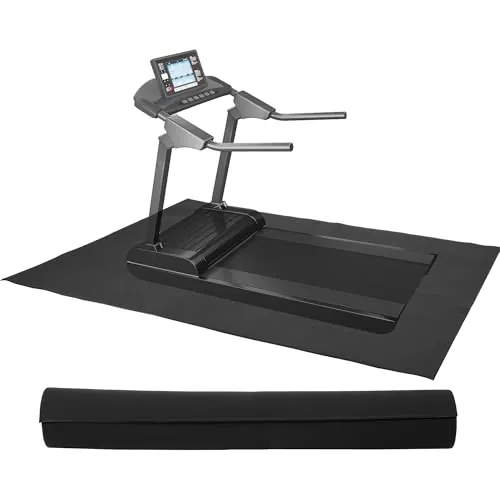
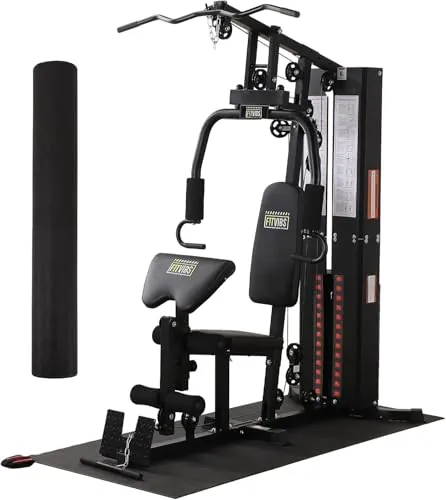
Fitvids High Density Gym Equipment Mat
- Large 96 by 48 inch coverage area for treadmills, bikes, rowers, benches, and similar equipment.
Comparison
The Fitvids High Density Gym Equipment Mat and Gaiam Essentials 10mm Yoga & Pilates Mat are both useful home-workout surfaces, but they address very different needs. Fitvids is a large, firm PVC base for cardio machines and floor protection, while Gaiam is a softer, portable foam mat for yoga, Pilates, stretching, and bodyweight exercise. Choose based on whether stable equipment support or joint-focused floor comfort is the priority.
#1 Overall Winner
Contender
Choose the Fitvids mat if you need a firm, large surface under a treadmill, bike, rower, or bench. Choose the Gaiam mat if your workouts are mainly yoga, Pilates, stretching, or low-impact floor exercise. Fitvids wins for equipment support; Gaiam wins for cushioning and portability.
Overall winner
Depends on your needs
| Feature | Fitvids High Density Gym Equipment Mat | Gaiam Essentials 10mm Yoga & Pilates Mat | Winner |
|---|---|---|---|
| Primary purpose | Equipment base and floor protection | Yoga, Pilates, and cushioned floor exercise | Depends |
| Material | PVC | Nitrile butadiene rubber foam | Depends |
| Dimensions | 96 x 48 x 0.25 in | 72 x 24 x 0.39 in | Fitvids High Density Gym Equipment Mat |
| Weight | 4.03 kg | 930 g | Gaiam Essentials 10mm Yoga & Pilates Mat |
| Cushioning for floor work | Firm, lightly cushioned surface | Extra-thick 10 mm foam | Gaiam Essentials 10mm Yoga & Pilates Mat |
| Heavy-equipment suitability | Designed for machines, benches, weights, and racks | Designed for low-impact bodyweight routines | Fitvids High Density Gym Equipment Mat |
| Stability | Non-slip, high-density equipment base | Textured soft foam; mixed balance feedback | Fitvids High Density Gym Equipment Mat |
| Portability | Large and heavier | Lightweight with carrying strap | Gaiam Essentials 10mm Yoga & Pilates Mat |
| Maintenance | Waterproof; wipe with damp cloth, water, or soap | Wipe clean with damp cloth; hand wash care | Fitvids High Density Gym Equipment Mat |
| Reported durability | Generally strong long-term feedback | Mixed feedback, including some tearing reports | Fitvids High Density Gym Equipment Mat |
| Noise reduction | Stated to help reduce noise | No specific noise-reduction information provided | Fitvids High Density Gym Equipment Mat |
| Price | 44.79 | 24.98 | Gaiam Essentials 10mm Yoga & Pilates Mat |
| Buyer feedback | 4.7/5 from 27,462 reviews | 4.6/5 from 45,841 reviews | Depends |
Gaiam is more useful for a recovery-oriented routine centered on relaxed stretching or mobility work on a hard floor. Its thick foam can make floor contact more comfortable, and its portable format is convenient for brief sessions. Fitvids is more appropriate when the priority is protecting the floor under equipment rather than cushioning the user. Neither product should be treated as a substitute for individualized advice on pain, injury, or rehabilitation needs.
The Fitvids and Gaiam mats support different parts of a home-training routine. Fitvids works as the foundation beneath equipment, helping create a dedicated cardio or strength-machine zone while protecting the floor below. Gaiam works as the user-facing surface for mobility drills, mat Pilates, yoga, stretching, and bodyweight movements. If a workout plan revolves around a treadmill or bike, Fitvids is more relevant. If it revolves around time on the floor, Gaiam offers the more comfortable and practical training surface.
For strength-oriented home gyms, Fitvids is more useful beneath a weight bench, rack, or other equipment because its dense, broad PVC surface is designed to protect flooring and provide a firm base. It may also suit light floor-based conditioning, although it is not a deeply padded exercise mat. Gaiam is better for bodyweight strength work, core sessions, and exercises where knees, hips, or back contact the floor. Neither listing establishes that Gaiam is suitable for heavy weights or equipment placement.
Fitvids is the clear cardio-training choice when the session uses a treadmill, stationary bike, elliptical, stair climber, or rowing machine. Its product details specifically describe a stable, non-slip foundation for these machines, and buyer feedback repeatedly references treadmill and bike use. Gaiam can support low-impact, floor-based conditioning, but its soft 10 mm foam construction and narrow format do not make it a comparable base for large cardio equipment.
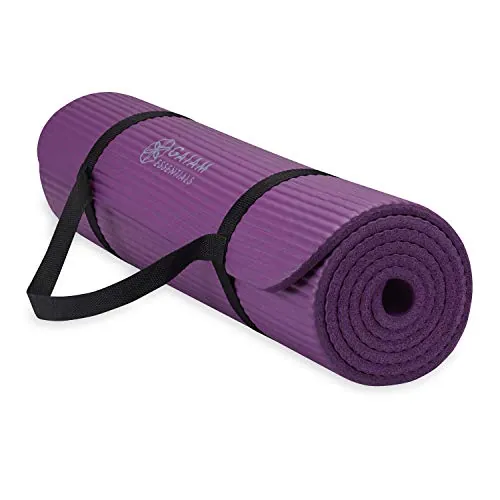
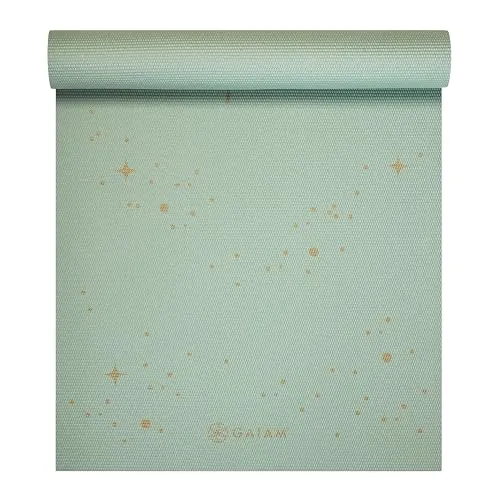
Gaiam is the better fit for mobility and flexibility routines. Its thick NBR foam is designed to make yoga, Pilates, stretching, and floor exercises more comfortable on hard surfaces, and its compact roll-up design supports regular use in small spaces. Fitvids can provide a grippy surface for limited floor drills, but its firmer PVC construction prioritizes equipment stability and floor protection over comfort during prolonged kneeling, supine work, or stretching.
For gentle post-workout stretching and floor-based mobility work, Gaiam is the more appropriate option because its 10 mm foam provides more cushioning between the body and a hard floor. Its light weight also makes it easy to unroll for a short routine and put away afterward. Fitvids may be useful as a protected gym-floor surface, but the supplied information does not position its firmer PVC material as a comfort-first recovery mat.
Each product performs well when used for its stated purpose. Fitvids has a firm, waterproof PVC surface, broad 96 by 48 inch coverage, and repeated buyer reports of keeping treadmills and bikes stable while protecting carpet or hard flooring. Gaiam performs best in low-impact floor sessions, where its 10 mm foam cushioning is frequently praised for comfort. The principal limitation is purpose mismatch: Gaiam is not presented as a heavy-machine mat, and Fitvids does not provide the thick, soft support that makes Gaiam more comfortable for yoga and Pilates.
Fitvids supports training consistency by providing a dedicated, easy-clean base for home cardio machines and gym equipment. That can be especially useful where equipment movement or floor wear would otherwise limit a setup. Gaiam supports consistency in a different way: it is light, rolls up quickly, and includes a strap, reducing the effort needed to start or store a floor session. Beginners doing yoga, stretching, and bodyweight work may find Gaiam more inviting, while equipment-based home gyms gain more from Fitvids.
Fitvids offers the more practical strength-training support around equipment because the large, high-density PVC mat is described for benches, free weights, and racks as well as cardio machines. Its firm surface is better aligned with stable placement and floor protection. Gaiam is more appropriate for mat-based strength work such as core training or bodyweight exercise, where its cushioning can improve comfort during floor contact. Mixed reports of foam tearing mean it is less compelling for demanding equipment use.
Fitvids is substantially better aligned with cardio equipment. The listing specifically names treadmills, stair climbers, ellipticals, rowing machines, and exercise bikes, while buyers commonly report secure treadmill and bike placement. Its stated noise-reduction and floor-protection roles add to its usefulness in a home cardio area. Gaiam can be used for low-impact fitness movements performed on the floor, but there is no supplied evidence that it should be used beneath a treadmill, bike, or other large machine.
Gaiam is the stronger mobility and flexibility mat because the 10 mm NBR foam directly addresses comfort for yoga, Pilates, stretching, and floor exercise. The textured surface is intended to help control movement in dry sessions, and the mat is simple to roll up after use. Fitvids has a grippy, durable surface and may work for occasional calisthenics, but its thinner, firmer construction does not provide Gaiam’s cushioning for knees, hips, wrists, or back.
Gaiam is more useful for a recovery-oriented routine centered on relaxed stretching or mobility work on a hard floor. Its thick foam can make floor contact more comfortable, and its portable format is convenient for brief sessions. Fitvids is more appropriate when the priority is protecting the floor under equipment rather than cushioning the user. Neither product should be treated as a substitute for individualized advice on pain, injury, or rehabilitation needs.
Fitvids offers the more appropriate safety-oriented foundation for heavy equipment because it is designed to limit movement and protect the floor under treadmills, bikes, and similar machines. Proper machine positioning and checking that the mat lies flat remain important. Gaiam provides cushioning and a textured surface for low-impact floor routines, but its soft foam can feel less stable in certain balance poses according to some buyers. Neither mat eliminates the need for appropriate exercise technique, clear surrounding space, and equipment-specific safety practices.
Gaiam is the clear comfort choice. Its 10 mm foam is frequently praised for cushioning knees, hips, wrists, and back during yoga, stretching, Pilates, and floor exercises on hard surfaces. Fitvids offers some cushioning, but it is a much firmer quarter-inch PVC mat intended to support equipment rather than create a plush exercise surface. For standing cardio machines, Fitvids’s firmness is an advantage; for prolonged floor contact, Gaiam is more accommodating.
Both mats are straightforward to use, but in different settings. Fitvids is simple to unroll, position beneath a machine, and wipe down; its size and weight make it best for a mostly permanent setup. Gaiam rolls up quickly, is lightweight, and includes a carrying strap, so it is easier to move between rooms or take to a class. A minority of Gaiam feedback mentions a missing strap, while Fitvids users may need help moving heavy equipment onto the mat.
Fitvids is the more stable mat for equipment placement. Its dense PVC structure and non-slip design are intended to reduce treadmill, bike, and other machine movement, with buyer feedback supporting that role. Gaiam’s textured foam can provide traction in dry yoga and floor sessions, but it is softer by design. Some buyers find the thickness comfortable, while others find balance poses more difficult on its cushioned surface.
Fitvids has the stronger grip case for an equipment setup, with a surface designed to help prevent machine movement and buyer comments describing a firm grip. One buyer noted that dust can reduce traction until the mat is wiped down. Gaiam has a textured foam surface intended to reduce slipping during dry workouts, but its comfort-first foam and mixed stability feedback make it less dependable for balance-intensive work or machine placement.
Gaiam is the more space-efficient option for a flexible home workout area. Its 72 by 24 inch format rolls up and includes a carrying strap, making it easy to store when not in use. Fitvids uses much more floor space at 96 by 48 inches, but that footprint is intentional: it gives larger machines and equipment a protected base. Choose Gaiam for a multipurpose room and Fitvids for a dedicated equipment zone.
Fitvids has the clearer noise-management role because its listing states that it helps reduce noise beneath gym equipment, and some buyers purchased it for treadmill noise reduction. Results will vary with the machine, floor, and building structure. No comparable noise-reduction information is provided for Gaiam, whose main function is cushioning for floor exercise rather than isolating machine vibration.
Fitvids has the stronger build case for equipment use. Its quarter-inch high-density PVC construction, large rectangular format, and waterproof finish are designed to tolerate contact with machines and gym equipment. Buyer feedback often describes it as thick, sturdy, and long-lasting. Gaiam’s NBR foam construction is intentionally softer and more comfort-oriented. That makes it well suited to low-impact floor exercise, but mixed buyer reports of holes and tears indicate a less robust fit for heavy-duty use.
Fitvids has more consistent durability evidence in the supplied data. Buyers describe mats protecting carpet under regularly used treadmills for years, and the PVC surface is positioned to resist moisture and wear. Gaiam has many positive comments about quality, but durability feedback is mixed: some users report it holds up well, while others mention small holes or tearing after limited use. For a mat that will remain under equipment or see heavier wear, Fitvids is the safer choice based on the available information.
Both mats are low-maintenance, but Fitvids is better suited to sweat and equipment-area cleanup. Its waterproof PVC surface is described as resisting moisture and wiping clean with water, a damp cloth, or soap. Gaiam can be wiped with a damp cloth and is listed as hand-wash only. Keeping either surface free of dust and fully dry before storage can help maintain usable traction and condition.
Gaiam is clearly more portable. At 930 grams, it rolls up quickly and includes an adjustable carrying strap for moving between rooms, home workouts, or classes. Fitvids weighs 4.03 kilograms and measures 96 by 48 inches, making it more suitable as a stationary equipment mat. It can be repositioned, but it is not designed around frequent transport in the way Gaiam is.
Both listings identify their primary material, but the materials suit different jobs. Fitvids specifies polyvinyl chloride, a waterproof material used here for a dense equipment-protection surface. Gaiam specifies nitrile butadiene rubber foam, used to create a softer, thicker floor-exercise mat. Fitvids also gives clear care instructions using water, a damp cloth, or soap; Gaiam specifies hand-wash care and notes that an initial foam odor may occur. Neither product is a consumable, so ingredient-style nutrition information is not relevant.
Gaiam has the lower listed price and includes a carrying strap, giving it strong value for people who need a cushioned mat for yoga, Pilates, stretching, or bodyweight exercise. Fitvids costs more, but it provides much greater floor coverage and a durable PVC surface intended for heavy gym equipment, moisture, and routine cleanup. Its stronger durability and stability feedback adds value in a fixed home-gym setup. The better value therefore depends on whether the purchase is for the exerciser on the floor or the equipment on the floor.
Both products have substantial buyer-feedback bases and generally positive ratings. Gaiam has the larger review count and receives frequent praise for comfort and value, though its feedback includes mixed durability and stability experiences. Fitvids has a slightly higher listed rating in the supplied data and especially consistent comments around machine fit, floor protection, and long-term use. The available information supports confidence in each product’s primary role rather than establishing a broad brand-quality verdict beyond these mats.
Customer sentiment is positive for both products. Fitvids is repeatedly praised for its firm feel, treadmill and bike stability, large coverage, simple cleaning, and perceived value; occasional concerns include initial odor and dust affecting grip. Gaiam buyers frequently praise the thick cushioning, comfort on hard floors, portability, and value. Its weaker themes are mixed durability, occasional odor, less secure balance for some users, and an isolated report of a missing strap. The review volume for both products is substantial.
Fitvids’s main claims are closely aligned with the supplied specifications and buyer feedback: PVC material, quarter-inch thickness, 96 by 48 inch dimensions, waterproof care, equipment use, and floor protection are all clearly described. Reports from buyers generally support its stability and long-term use under treadmills and bikes. Gaiam’s stated 10 mm NBR foam, dimensions, weight, carrying strap, and low-impact use case are also clearly specified. Its comfort claims are broadly supported by feedback, while durability and balance stability receive more mixed reports.
The Fitvids High Density Gym Equipment Mat is the better overall choice only for its intended equipment-focused role. Its large, dense PVC construction, stable surface, easy-clean finish, and favorable durability feedback make it a practical foundation for treadmills, bikes, and other home-gym equipment. Its main limitation is that it is bulky and comparatively firm for floor exercise.
The Gaiam Essentials 10mm Yoga & Pilates Mat is the better mat for the person exercising directly on it. Its thick foam, low weight, and carrying strap make yoga, Pilates, stretching, and bodyweight sessions more comfortable and convenient. Its main trade-offs are mixed reports on durability and stability. Buy based on training purpose rather than treating one as a substitute for the other.

Overall winner
Depends on your needs
Neither is universally better because they serve different jobs. The Fitvids mat is the clearer choice beneath treadmills, bikes, rowers, benches, and other equipment because it offers a large, firm PVC surface. The Gaiam mat is the better choice for yoga, Pilates, stretching, and floor exercise where 10 mm cushioning and easy carrying matter most.
The available product information positions the Gaiam as a cushioned yoga, Pilates, and floor-exercise mat rather than as a heavy-equipment base. Its soft NBR foam and compact 72 by 24 inch size are less suitable for supporting a treadmill than the Fitvids mat, which is specifically described for treadmills and similar machines.
The Gaiam Essentials mat is the more suitable option for yoga and Pilates. Its 10 mm foam construction is designed around cushioning for knees, hips, and other contact points during low-impact routines. The Fitvids mat can provide a grippy surface for some floor exercise, but its firm equipment-focused construction does not offer the same level of padding.
The Fitvids mat is the stronger fit for floor protection under equipment. It has a 96 by 48 inch footprint, quarter-inch high-density PVC construction, and a stated role under treadmills, bikes, ellipticals, rowers, benches, free weights, and racks. Buyer feedback also commonly mentions treadmill and bike use on carpet and hard floors.
The Gaiam Essentials mat is easier to carry and store. It weighs 930 grams, rolls up quickly, and includes an adjustable carrying strap. The Fitvids mat provides much more coverage at 96 by 48 inches and weighs 4.03 kilograms, which suits a semi-permanent equipment setup more than frequent travel or class use.
Both products have some odor-related feedback. The Fitvids reviews include occasional reports of a rubber or chemical-like smell that improved after airing out. Gaiam states that an initial foam odor may occur and typically fade after 24 to 48 hours, while some buyers also mention this issue. Individual experiences vary.
The Fitvids mat is the more stable choice for its intended use because its dense PVC surface is designed to reduce equipment movement. The Gaiam’s textured foam can help during dry floor exercise, but its softer cushioning is a trade-off: some buyers appreciate the grip while others find balance poses less steady on the thicker foam.
Value depends on the workout setup. The Gaiam costs less and includes a carrying strap, making it a practical value for cushioned floor work. The Fitvids costs more, but its substantially larger size, firm construction, and machine-focused floor protection can justify the difference for someone setting up a treadmill, bike, or larger home-gym area.
Check our rankings and expert guides to find the best fitness products for your goals.