TrainingRanker
Menu
Fitvids 8 x 4 PVC Mat vs 3 x 6.5 Rubber Mat

Comparison

Fitvids 8 x 4 PVC Mat vs 3 x 6.5 Rubber Mat

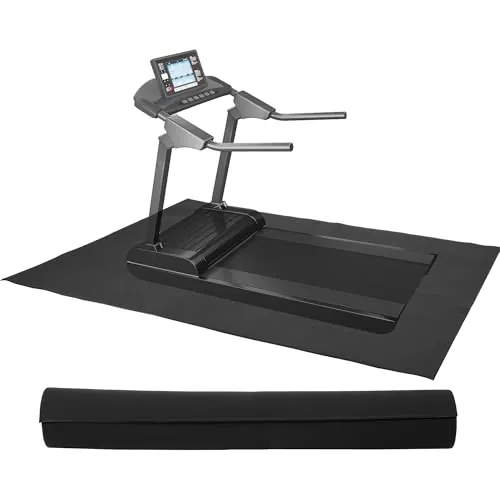
These Fitvids equipment mats share the same quarter-inch thickness and are designed to protect floors under treadmills and bikes. The 8 x 4 foot PVC version prioritizes broad coverage and wipe-clean maintenance, while the 3 x 6.5 foot PVC-free rubber version is the smaller, lower-priced option. Both have strong supplied buyer feedback for stability and durability, so the key decision is equipment footprint, available space, and material preference.

Expert tested Data driven Unbiased reviews Updated 2 August 2026
Fitvids High Density 8 ft x 4 ft PVC Gym Equipment Mat

#1 Overall Winner

Fitvids High Density 8 ft x 4 ft PVC Gym Equipment Mat

89/100
  • Large 96 x 48 inch coverage suits larger treadmills, benches, and multi-machine areas.
View review
Fitvids High Density 3 ft x 6.5 ft Rubber Gym Equipment Mat

Contender

Fitvids High Density 3 ft x 6.5 ft Rubber Gym Equipment Mat

90/100
  • Compact 78 x 36 inch footprint is sized for a standard treadmill or exercise bike.
View review

Quick verdict

Choose the Fitvids 8 x 4 foot PVC mat for larger machines and broad floor coverage. Choose the 3 x 6.5 foot rubber mat for a standard treadmill or exercise bike in a tighter home gym, particularly if a PVC-free material is important. Both appear well suited to basic equipment stabilization and floor protection.

Overall winner

Depends on your needs

At-a-glance comparison

Feature Fitvids High Density 8 ft x 4 ft PVC Gym Equipment Mat Fitvids High Density 3 ft x 6.5 ft Rubber Gym Equipment Mat Winner
Primary role Large equipment and floor-protection mat Compact equipment and floor-protection mat Depends
Dimensions 96 x 48 x 0.25 in 78 x 36 x 0.25 in Fitvids High Density 8 ft x 4 ft PVC Gym Equipment Mat
Thickness 0.25 in 0.25 in Tie
Material PVC Rubber; PVC-free Depends
Floor coverage 8 x 4 ft 3 x 6.5 ft Fitvids High Density 8 ft x 4 ft PVC Gym Equipment Mat
Upfront price $44.79 $34.99 Fitvids High Density 3 ft x 6.5 ft Rubber Gym Equipment Mat
Surface security Anti-slip Slip resistant Tie
Cleaning guidance Water, damp cloth, or soap Hand wash only Fitvids High Density 8 ft x 4 ft PVC Gym Equipment Mat
Portability 4.03 kg; large format 6.5 lb; compact format Fitvids High Density 3 ft x 6.5 ft Rubber Gym Equipment Mat
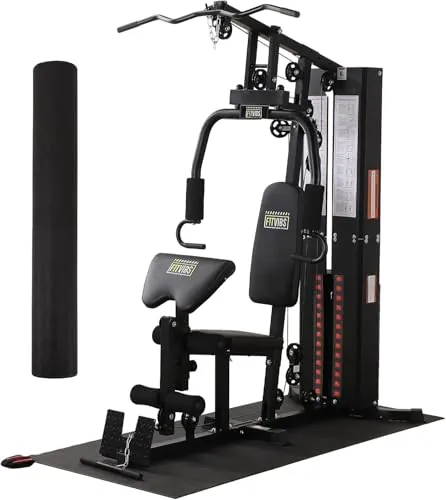
Cardio equipment use Treadmills, bikes, ellipticals, rowers, stair climbers Treadmills and bikes Fitvids High Density 8 ft x 4 ft PVC Gym Equipment Mat
Customer feedback 4.7/5 from 27,462 reviews 4.7/5 from 27,462 reviews Tie
Small-space fit Requires 8 x 4 ft of floor space Requires 3 x 6.5 ft of floor space Fitvids High Density 3 ft x 6.5 ft Rubber Gym Equipment Mat

Detailed comparison

Training Use

Both products support training indirectly by creating a protected, more stable place for cardio equipment. Product A has the broader training role because its 8 x 4 foot footprint is listed for treadmills, stair climbers, ellipticals, rowing machines, weight benches, free weights, and racks. Product B is more focused on a compact home treadmill or bike setup. Neither mat adds resistance, tracking, or workout programming; their value is reducing setup friction and helping preserve the training area. For a single machine in a small room, Product B is sufficient if the dimensions fit. For a versatile home-gym zone, Product A is more accommodating.

Strength Training

Neither product is a loadable strength-training tool, but both can protect flooring beneath a bench or other appropriate equipment. Product A has the clearer advantage for this role because its larger 96 x 48 inch surface is listed for free weights, racks, and weight benches, giving more room around the equipment base. Product B can work beneath a compact machine, but its smaller coverage limits its usefulness for wider benches or broader strength stations. The supplied information does not establish that either mat is designed for repeated heavy dropped-weight impacts.

Cardio Training

Cardio is the clearest use case for both mats. Each is designed for treadmill and exercise-bike placement, while Product A also specifically names stair climbers, ellipticals, and rowing machines. Both are intended to reduce movement and protect the underlying floor from equipment stress, sweat, and dirt. Product A is the more flexible cardio choice when the machine is large or wide, since it offers more coverage. Product B is a sensible option for a standard treadmill or bike when the 78 x 36 inch dimensions match the equipment base and room layout.

Mobility & Flexibility

These are primarily equipment mats rather than dedicated mobility, yoga, or Pilates mats. Product A's larger surface may offer more room for occasional floor exercises, and one buyer described using a related size for calisthenics, but its stated purpose remains equipment support and floor protection. Product B can also be used on the floor where its size is sufficient, yet the supplied data does not establish specialized cushioning or comfort for stretching routines. Choose a purpose-built exercise mat if mobility work is the main goal.

Performance

For their intended job, both mats appear to perform well: they are quarter-inch thick, use slip-resistant surface designs, and receive consistently positive supplied feedback for protecting floors and helping equipment stay in place. Product A has a modest practical edge because it covers 96 x 48 inches and is explicitly listed for a wider group of machines, including rowers and ellipticals. Product B performs the same core role in a smaller 78 x 36 inch format. Reports of a mild initial odor and grip that can decline with dust are the principal performance caveats in the supplied reviews.

Training Support

Product A provides better training-area support for users building a flexible home gym because it can accommodate larger equipment and provides extra floor coverage around the machine base. Its wipe-clean PVC surface also suits regular cardio use where sweat or dirt may collect. Product B supports a consistent single-machine routine just as effectively when its dimensions fit, and its compact layout creates less intrusion in a shared room. Neither product changes workout intensity or progression directly. Their training benefit comes from maintaining an orderly, protected, stable equipment setup that is easy to keep ready for use.

Strength Training Analysis

Product A is the more suitable support surface for strength-oriented home-gym setups because it is listed for weight benches, free weights, and racks, while its 8 x 4 foot format offers more usable protected area. Product B can serve under a compact bench or machine only if its dimensions suit the base. Both mats may help reduce floor wear and movement, but the available data does not confirm suitability for repeated heavy barbell or dumbbell drops. Users needing impact protection should confirm their equipment and flooring requirements separately.

Cardio Training Analysis

Both mats are strong fits for cardio-machine support. Product B has a compact size that aligns well with a typical treadmill or exercise bike, and the supplied reviews mention secure treadmill placement. Product A is better for larger treadmills and equipment such as ellipticals, rowers, and stair climbers because of its 96 x 48 inch dimensions. Buyer feedback for both includes durable use and stable placement. Noise reduction is listed as a benefit, but the evidence provided does not quantify the reduction across different floors or machines.

Mobility & Flexibility Analysis

Product A has a slight advantage for occasional mobility or bodyweight work because its larger dimensions create more floor area, and a supplied review describes adequate grip for mountain climbers and burpees. However, it is still an equipment mat, not a specialized yoga or Pilates mat. Product B is smaller and similarly focused on machine support. The supplied details do not provide enough evidence to favor either option for cushioning, joint comfort, or dedicated flexibility work.

Fitvids High Density 8 ft x 4 ft PVC Gym Equipment Mat

Pros

  • Large 96 x 48 inch coverage suits larger treadmills, benches, and multi-machine areas.
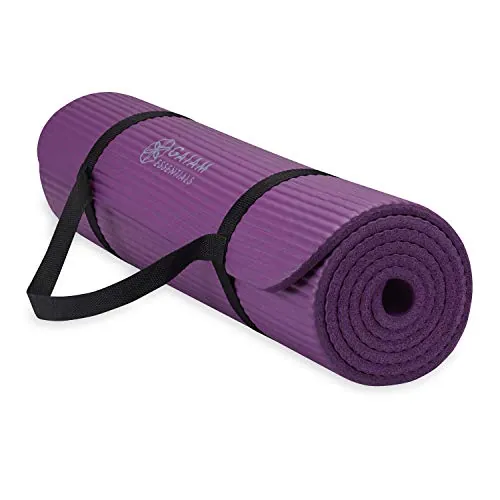
  • Quarter-inch PVC construction is specified for protecting floors and carpets under heavy equipment.
  • Non-slip surface is designed to limit equipment movement.
  • Waterproof surface can be wiped clean with a damp cloth, water, or soap.
  • Buyer feedback repeatedly notes durable use, firm support, and effective floor protection.
  • Listed price is lower per square foot than the smaller mat.

Cons

  • Its 8 x 4 foot footprint requires substantially more clear floor space.
  • The supplied listing identifies PVC as the material, which may not suit buyers seeking PVC-free materials.
  • Some buyers report an initial rubber or chemical-like odor that needed airing out.
  • Dust may reduce surface grip until the mat is wiped clean.
  • The listed color is marked discontinued.
Fitvids High Density 8 ft x 4 ft PVC Gym Equipment Mat

Fitvids High Density 3 ft x 6.5 ft Rubber Gym Equipment Mat

Pros

  • Compact 78 x 36 inch footprint is sized for a standard treadmill or exercise bike.
  • Quarter-inch rubber construction is PVC-free according to the supplied specifications.
  • Slip-resistant design is intended to provide a secure equipment base.
  • Customer feedback frequently describes stable treadmill and bike placement.
  • Lower upfront price makes it the less expensive option.
  • Strong review volume and rating support its established home-gym use.

Cons

  • The 3 x 6.5 foot size offers less coverage for larger treadmills, racks, or wider equipment.
  • It is primarily an equipment-protection mat rather than a dedicated cushioned exercise mat.
  • Some shared buyer feedback mentions a mild initial odor.
  • Grip may diminish when the surface becomes dusty and needs cleaning.
  • Hand-wash-only care may be less convenient than a simple wipe-clean instruction.
Fitvids High Density 3 ft x 6.5 ft Rubber Gym Equipment Mat

Final verdict

Product A is the better overall equipment mat for larger home-gym setups because it delivers substantially more coverage, names a wider selection of compatible equipment, and has convenient wipe-clean PVC care. Its main limitation is that it occupies more floor space and may not suit shoppers who want a PVC-free material. Product B is the better compact alternative: it costs less upfront, fits smaller rooms more easily, and is specified as PVC-free rubber. Its main limitation is its smaller coverage area. Both products have similarly strong supplied buyer feedback for stability, durability, and floor protection. Measure the machine base first: select Product A for generous coverage, or Product B for a compact, appropriately sized cardio setup.

Overall winner

Depends on your needs

Frequently asked questions

Which Fitvids equipment mat is better overall?

The better choice depends mainly on equipment size and material preference. The 8 x 4 foot PVC mat provides much broader coverage and is the stronger fit for larger machines or a wider protected area. The 3 x 6.5 foot rubber mat is a practical choice for a standard treadmill or bike when space is limited and PVC-free material is preferred.

Which mat is better for a treadmill?

Both mats are listed for treadmill use and buyer feedback supports stable placement and floor protection. Choose the 8 x 4 foot mat if the treadmill has a large footprint or you want extra perimeter coverage. Choose the 3 x 6.5 foot mat only after checking that the treadmill dimensions fit within its 78 x 36 inch surface.

Which Fitvids mat is better for small spaces?

The 3 x 6.5 foot rubber mat is more suitable for smaller home gyms because it occupies less floor area and weighs less according to the supplied listings. Its smaller size is best matched to one appropriately sized treadmill or bike. Measure the equipment base and allow for stable placement before choosing either mat.

Are these mats suitable for exercise bikes?

Yes. Both products are described as treadmill and exercise-bike equipment mats, and the supplied customer feedback includes successful use under bike trainers and stationary bikes. Their main role is to protect the floor and help reduce unwanted equipment movement. Neither listing provides a universal compatibility guarantee, so checking the bike footprint remains important.

What is the main material difference between these mats?

Product A is specified as polyvinyl chloride, or PVC, with a waterproof wipe-clean surface. Product B is specified as rubber and PVC-free. Both are listed at a quarter-inch thickness, but buyers who specifically want to avoid PVC should favor Product B, while those wanting the larger listed waterproof surface may prefer Product A.

Do either of these mats reduce noise?

Both listings describe noise reduction as part of their intended use, and some buyer feedback mentions reduced treadmill noise. However, the supplied reviews do not establish how much sound reduction to expect in every room, floor type, or machine setup. A mat can help isolate equipment from the floor, but it should not be treated as a complete soundproofing solution.

Are there odor concerns with these Fitvids mats?

A small number of supplied reviews mention a mild rubber or chemical-like smell after unboxing, while other buyers reported no strong odor. Reviewers who noticed it said airing the mat outdoors helped. This is buyer feedback rather than a product guarantee, so allowing time to air out the mat before placing it in an enclosed room is a practical consideration.

Which mat offers better value?

Product B has the lower upfront price and may offer better value when its 3 x 6.5 foot footprint fits the equipment. Product A costs more but supplies a much larger 8 x 4 foot surface, so it is the better value for buyers who genuinely need that coverage. Value therefore depends on sizing needs rather than price alone.

Related comparisons

Still not sure which one to choose?

Check our rankings and expert guides to find the best fitness products for your goals.

View all rankings