#1 Overall Winner
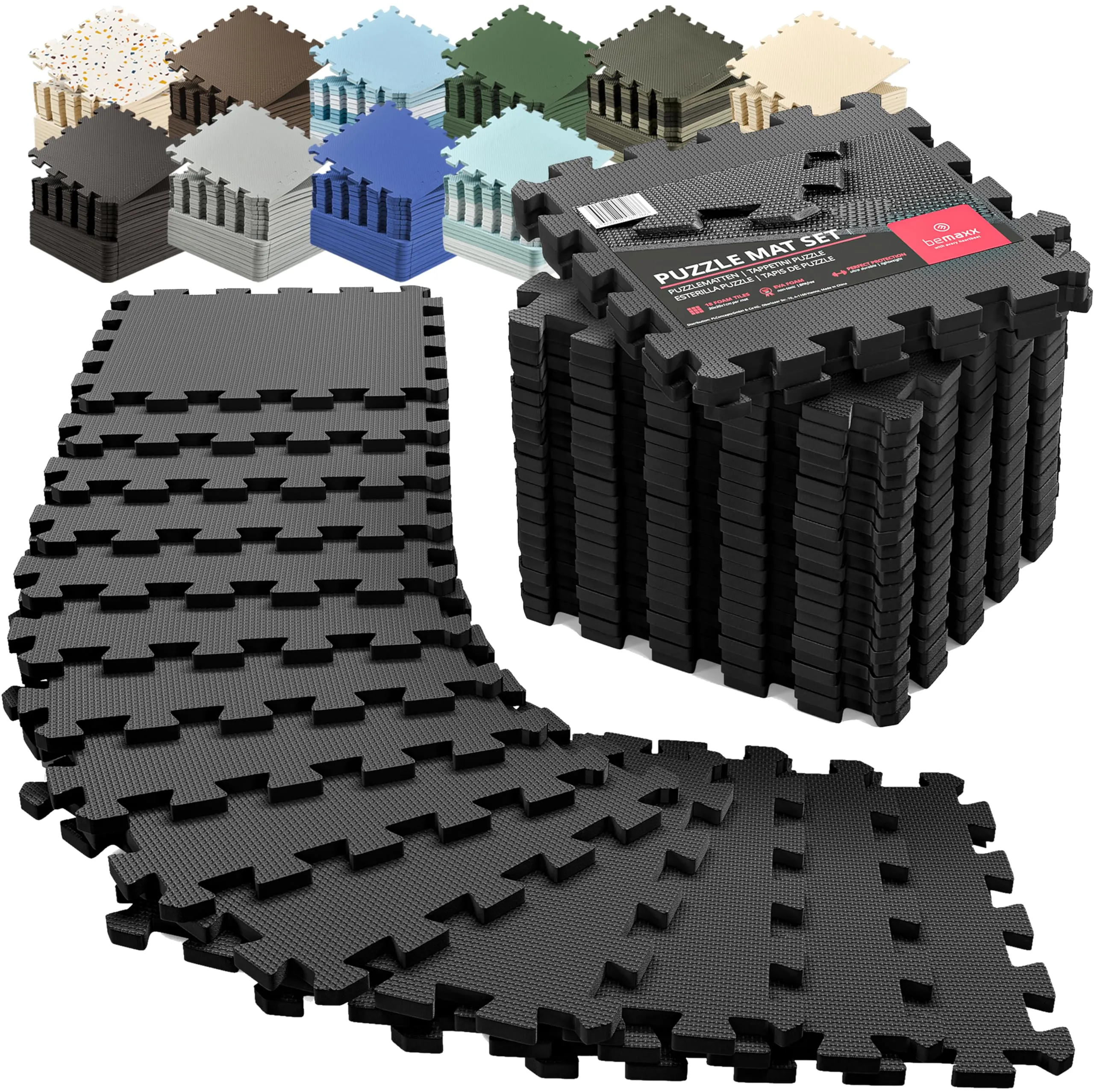
bemaxx Gym Mats Set
- Expandable 18-tile puzzle design can be arranged to suit a small workout area.
Comparison
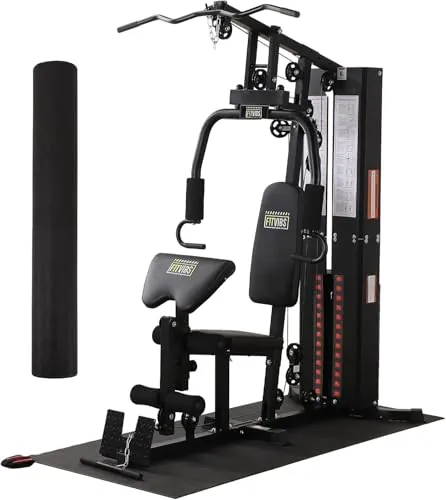
The bemaxx Gym Mats Set and Fitvids Gym Equipment Mat both protect home-gym floors, but they serve different setups. BeMaxx is a modular, more cushioned EVA tile system for configurable exercise areas, while Fitvids is a firm one-piece rubber mat better suited to keeping treadmills and bikes stable.
#1 Overall Winner
Contender
Choose Fitvids if your main priority is stable, durable support beneath a treadmill, bike, or similar stationary machine. Choose BeMaxx if you need a customizable, cushioned surface for bodyweight workouts, stretching, or a compact multipurpose exercise area. Fitvids is stronger for equipment stability; BeMaxx is stronger for flexibility and floor comfort.
Overall winner
Depends on your needs
| Feature | bemaxx Gym Mats Set | Fitvids High Density Gym Equipment Mat | Winner |
|---|---|---|---|
| Primary design | Modular EVA foam floor tiles | One-piece high-density rubber equipment mat | Depends |
| Listed material | EVA foam | Rubber | Depends |
| Listed thickness | 0.4 inches | 0.25 inches | bemaxx Gym Mats Set |
| Coverage format | 18 tiles; about 18 square feet | 36 by 78 inches | Depends |
| Treadmill and bike support | Suitable under basic equipment; modular seams | Purpose-built equipment mat | Fitvids High Density Gym Equipment Mat |
| Mobility and floor work | Cushioned, configurable foam surface | Firm equipment-oriented rubber surface | bemaxx Gym Mats Set |
| Stability | Mixed feedback during active movement | Strong non-slip and equipment-stability feedback | Fitvids High Density Gym Equipment Mat |
| Durability | Mixed buyer feedback | Positive longer-term buyer reports | Fitvids High Density Gym Equipment Mat |
| Portability | 2.65 pounds; separate tiles | 6.5 pounds; rolled mat | bemaxx Gym Mats Set |
| Cleaning | Wipe with a damp cloth | Hand wash only; wipe-down feedback | Tie |
| Noise management | Foam cushioning and impact damping | Equipment-focused noise reduction design | Depends |
| Provided price | 24.29 | 34.99 | Depends |
BeMaxx offers more support for a basic post-training mobility routine because the foam surface provides a more comfortable area for gentle stretching and floor positions. Fitvids is better kept under stationary equipment, where its firm rubber construction can help protect the floor but does not offer the same cushioning. Neither product has features that directly address soreness or other recovery outcomes; their relevance is limited to providing a usable exercise-floor surface.
For general home training, BeMaxx creates a more versatile exercise surface because the tiles can be arranged around the available room and provide more cushioning for floor sessions. It is the better fit for a mixed routine that includes mobility drills, bodyweight work, and occasional equipment use. Fitvids is more specialized: it is designed to sit beneath a cardio machine and keep that setup stable. It is the more practical choice when the workout area is built around a treadmill, stationary bike, or bike trainer rather than open-floor training.
Neither product is a substitute for purpose-built lifting-platform flooring, but both can provide basic floor protection in a home gym. BeMaxx offers a cushioned, modular layer beneath lighter equipment and for bodyweight strength sessions, though its tile seams and mixed durability feedback make it less suitable where movement or heavy impact is expected. Fitvids provides a more secure rubber base under stationary equipment and has been used by buyers for garage workouts, but its stated focus is equipment support rather than repeated weight drops.
Fitvids is the stronger cardio-training option because it is specifically designed as a treadmill and exercise-bike mat. Its 36-by-78-inch footprint, dense rubber construction, and non-slip design are supported by buyers reporting that treadmills and bikes remain more secure. BeMaxx can protect flooring beneath smaller cardio setups, particularly when several packs are combined, but it has less inherent stability for dynamic use and seams may be a drawback. For a dedicated machine, Fitvids is the more focused choice.
BeMaxx is substantially better aligned with mobility and flexibility routines. Its 0.4-inch EVA foam tiles provide a more cushioned surface for stretching, yoga-style practice, and floor-based bodyweight movements, while the modular construction lets users create a training area that fits the room. Fitvids has a firmer rubber surface primarily intended for equipment support. It may be usable for basic floor work, but cushioning and flexible coverage are not its main strengths.
Neither product is a recovery tool, but BeMaxx is the more useful choice for a gentle post-workout stretching or mobility space because its foam surface is thicker and cushioned. Fitvids is intended to support equipment and protect flooring, so it offers less comfort for floor-based cooldown routines. The available information does not support broader recovery claims for either product.
Fitvids performs more strongly for its core task of supporting stationary exercise equipment. Its high-density rubber construction, one-piece design, and buyer reports of secure treadmill and bike placement provide a consistent case for equipment stability and floor protection. BeMaxx performs well as configurable protective flooring for a small home-gym zone, with buyers praising assembly, cushioning, and basic floor protection. Its performance is less consistent when tiles are used for jumping or unweighted active movement, where some users report separation. The better performer therefore depends on whether machine support or flexible floor coverage is the priority.
BeMaxx supports a broader range of home routines because its tiles can form a dedicated area for bodyweight exercise, mobility work, and light equipment placement. The ability to add packs also helps users adapt coverage as a home gym changes. Fitvids provides more focused training support by creating a stable foundation for a treadmill, bike, or bike trainer, reducing setup friction for regular cardio sessions. Beginners who want one mat for several floor-based activities may prefer BeMaxx; users committed to a fixed cardio machine will likely get more consistent utility from Fitvids.
For bodyweight strength training, BeMaxx has the advantage of thicker foam cushioning and configurable coverage for planks, push-ups, and similar floor movements. Its anti-slip surface is useful in principle, but active users should note buyer reports of tiles separating when the surface is not held down. Fitvids offers a firmer and more stable base, particularly beneath stationary equipment, but it is not designed primarily for lifting or impact-heavy strength work. Neither listing provides evidence that it is intended for repeated heavy weight drops.
Fitvids is the more capable cardio base. The listed dimensions fit many treadmill and bike arrangements, and customer feedback repeatedly highlights secure positioning, floor protection, and durability under regular machine use. Its rubber material and one-piece construction reduce concerns about shifting seams. BeMaxx can be placed under equipment and multiple sets can enlarge the covered zone, but its light foam tiles are less purpose-built for machine stability. Buyers report that BeMaxx works best when equipment helps hold it in position.
BeMaxx is the practical winner for flexibility work because its foam tiles are thicker, cushioned, and easily configured into an open exercise area. Reviews specifically describe it as comfortable for stretching, yoga, and floor exercise without feeling overly soft. Fitvids is a firm rubber equipment mat, so its benefits are stability and protection rather than support for knees, hands, or extended floor positions. Users who primarily stretch beside their equipment may still use Fitvids, but it is not the more comfort-oriented option.
BeMaxx offers more support for a basic post-training mobility routine because the foam surface provides a more comfortable area for gentle stretching and floor positions. Fitvids is better kept under stationary equipment, where its firm rubber construction can help protect the floor but does not offer the same cushioning. Neither product has features that directly address soreness or other recovery outcomes; their relevance is limited to providing a usable exercise-floor surface.
Fitvids has the stronger safety case for stationary equipment because its dense, slip-resistant one-piece surface is designed to reduce equipment movement. Buyer feedback specifically describes improved treadmill stability on carpet. BeMaxx provides cushioned, slip-resistant flooring and is listed as free from several materials, but users should account for reports of tiles separating during jumping or active movement. Neither mat eliminates the need to position equipment on a level surface, confirm that the mat fits the machine footprint, and follow the equipment maker's placement guidance.
BeMaxx is more comfortable for floor exercise. At 0.4 inches thick, the EVA foam offers more cushioning for knees, hands, and bodyweight movements, and buyers describe it as comfortable without being excessively soft. Fitvids is thinner at 0.25 inches and uses dense rubber intended to support machines. It may provide some separation from a hard floor, but its firmer feel is a trade-off that supports stability rather than extended floor-work comfort.
Both products are straightforward to use and clean, but the experience differs. BeMaxx is easy to carry and assemble, and its individual tiles allow users to adapt the layout or replace the covered shape. This also means more pieces to align. Fitvids simply unrolls into a fixed equipment footprint, avoiding assembly and seams, though its heavier single-piece format can be harder to move into place beneath a treadmill. For a permanent machine setup, Fitvids is simpler; for changing layouts, BeMaxx is more convenient.
Fitvids is the clear stability choice. Its one-piece rubber construction is designed to resist equipment shifting, and buyers commonly report secure treadmill and bike placement. BeMaxx can connect neatly and stay in place for some uses, particularly when equipment weighs it down, but it is light and several reviews caution that tiles may separate during jumping or unweighted active exercise. For a machine base or a high-traffic workout spot, Fitvids is the safer practical option.
Fitvids has stronger evidence for grip under equipment and during exercise. Its slip-resistant rubber surface is repeatedly described by buyers as firm and grippy, although one review notes that dust can reduce traction until wiped clean. BeMaxx is listed with an anti-slip surface and some buyers find it has decent grip, but the stability of individual tiles remains a separate concern during active movement. For a continuous, secure surface, Fitvids has the advantage.
BeMaxx is far more adjustable. Its 18 interlocking tiles can be arranged into different shapes, and additional packs can expand the covered area for changing home-gym layouts. Fitvids is a fixed 36-by-78-inch rectangle, so it is adjustable only through placement or cutting, which some buyers report doing for non-gym uses. Do not cut either product unless that modification is appropriate for the intended setup and will not compromise needed coverage.
BeMaxx is more space-efficient for irregular or evolving small spaces because users can configure the tiles to match the available floor area and store or relocate them in sections. Its approximately 18-square-foot coverage should still be measured against the planned zone. Fitvids is efficient when its 36-by-78-inch footprint matches the equipment, particularly beneath a treadmill or bike, but it cannot be reshaped around furniture or room obstacles. The best choice depends on the available footprint.
Both products may reduce some workout-related noise by separating equipment or the user from the floor. BeMaxx's foam construction is more relevant to impact damping during bodyweight exercise, play, and general floor activity. Fitvids is better suited to limiting vibration and contact noise beneath a stationary machine. Actual noise reduction will vary with the equipment, floor type, workout intensity, and the room below, so neither result should be assumed to provide soundproofing.
Fitvids has the stronger build case for its intended equipment role. Its dense rubber, one-piece rectangular design, and positive reports of long-term use suggest a durable platform that lays flat beneath machines. BeMaxx uses lightweight EVA puzzle tiles with clean edge pieces and generally easy connections, which is useful for adaptable flooring. However, the foam construction and interlocking seams are inherently less robust for demanding movement, and review feedback is mixed on how well the tiles hold together over time. Build preference should follow the workout application.
Fitvids has the clearer durability advantage. Buyers describe using it beneath treadmills and bike trainers for extended periods while retaining useful floor protection and appearance. Its dense rubber material and uninterrupted surface are well suited to a fixed equipment location. BeMaxx receives some positive reports for everyday home use, but buyer feedback is more divided, with concerns about long-term durability and tiles separating. The BeMaxx set can still be practical for low-impact exercise areas, but it has less consistent evidence for sustained equipment-duty use.
Maintenance is simple for both products. BeMaxx is listed for damp-cloth cleaning, and its lightweight tiles can be lifted or rearranged when cleaning the floor beneath. Fitvids is listed as hand wash only, while buyers also describe easy wipe-down care. Its continuous rubber surface has no tile seams to clean between, but the heavier mat is less convenient to lift. For either product, regular cleaning helps maintain traction, particularly because dust can reduce grip on the Fitvids surface.
BeMaxx is more portable. The set weighs 2.65 pounds and breaks into separate tiles, making it easier to carry, move between rooms, or store in a compact form. Fitvids weighs 6.5 pounds and is intended as a continuous equipment base, so it is better suited to staying in place once positioned. Fitvids can be moved when needed, but its larger rolled form is less convenient for frequent relocation.
Both products identify their main material, but BeMaxx provides the more detailed disclosure. It specifies EVA foam and lists BPA-free, latex-free, lead-free, phthalate-free, and silicone-free material claims. Fitvids identifies its material as rubber and lists the mat as PVC-free. These disclosures help with basic material comparison, although the available data does not provide a full formulation, manufacturing process, or independent verification for either product. Buyers with specific sensitivities should review the current product listing before purchase.
Fitvids provides stronger value for buyers who need a dedicated mat under a treadmill or exercise bike. Although its provided price is higher, it has stronger evidence for stability, durability, and long-term equipment protection, which are the core reasons to buy this style of mat. BeMaxx offers a lower-priced entry into modular floor coverage and may be better value for bodyweight training, stretching, or a small configurable space. Compare total coverage carefully: expanding a BeMaxx area may require multiple sets, while Fitvids has a fixed machine-oriented footprint.
Both products have substantial buyer feedback, but Fitvids has the more consistently positive customer pattern in the information provided. Reviews frequently reinforce its core equipment-support purpose, including reports of treadmill stability and sustained use. BeMaxx also has a large review base and favorable feedback for assembly, cushioning, and small home-gym coverage, but it has more mixed reports around thickness, durability, sizing, and tile security. Available brand information is limited, so this comparison relies mainly on product specifications and buyer feedback rather than broader brand claims.
Fitvids has the stronger buyer-satisfaction profile, with a higher provided star rating and more consistently positive feedback for its intended treadmill and exercise-bike role. Repeated praise covers dense construction, stable positioning, useful coverage, cleaning, and durability over time. BeMaxx also has extensive positive feedback, particularly for easy assembly, cushioning, modularity, and small home-gym use. However, its reviews are more divided on thickness, durability, exact size, color accuracy, and whether the tiles remain connected during active exercise. Both have satisfied users, but Fitvids is more consistent.
Fitvids has better support for its central listing claims because specifications and buyer feedback broadly align around a dense, non-slip mat that protects floors and helps keep stationary equipment secure. Reports of durable treadmill and bike use reinforce that narrow purpose, while odor feedback remains mixed. BeMaxx's claims of cushioning, easy assembly, and flexible coverage are also supported by the listed EVA tiles and many reviews. Its broader durability and secure-use claims are less consistent because some buyers describe thinness, seam separation, and reduced suitability for active movement.
Fitvids is the better overall equipment mat because it offers stronger stability, durability, grip, and buyer satisfaction for treadmills, bikes, and other stationary home-gym equipment. Its main limitation is that the fixed rubber format is less comfortable and less adaptable for open-floor training.
BeMaxx is the better modular exercise-floor solution. Its thicker EVA tiles, lightweight construction, and configurable layout make it more suitable for bodyweight sessions, mobility work, and compact multipurpose spaces. Its main limitations are mixed durability feedback and the possibility of tiles separating during active movement. Select Fitvids for a dedicated machine base; select BeMaxx for flexible, cushioned floor coverage.
Overall winner
Depends on your needs
The Fitvids mat is the stronger choice for a treadmill, exercise bike, or other stationary equipment because its dense one-piece rubber construction has better support for stability and durability. The BeMaxx set is more suitable when you need configurable coverage and more cushioning for bodyweight training, stretching, or yoga-style floor work.
The Fitvids mat is better matched to treadmill use. Its listed 36-by-78-inch size, dense rubber material, and one-piece construction provide a stable base without puzzle seams. Check your treadmill footprint before buying, as the mat must fully accommodate the machine's contact points and leave appropriate clearance around it.
Yes, the BeMaxx tiles are marketed for use beneath basic home-gym equipment, and buyers report using multiple packs under treadmills and benches. However, the foam tiles are lighter and some reviewers say pieces can separate during active movement. They are a better fit for lighter or carefully positioned equipment than a dedicated heavy-equipment mat.
The BeMaxx set is the better option for yoga, stretching, and bodyweight exercise. Its 0.4-inch EVA foam construction is thicker than the listed Fitvids mat and is intended to provide a cushioned surface. The Fitvids mat can be used for some floor exercise, but its primary role is equipment support rather than comfort-focused movement.
The better option depends on the space shape. The BeMaxx tiles can be configured around a compact or irregular workout zone and packed away in smaller pieces. The Fitvids mat is a fixed 36-by-78-inch rectangle, which is convenient when that footprint directly matches your treadmill or bike but less flexible elsewhere.
Evidence is mixed. Some buyers find the tiles connect securely and work well for home exercise, while others report separation during jumping or more active movement. For low-impact floor work or a surface held in place by equipment, they appear more suitable. A one-piece mat is the more secure option when seam movement is a concern.
A small number of buyers report an initial rubber or chemical odor, while others report little or no smell. Some reviewers say airing the mat outside helped the odor fade. Since experiences vary, allow time for the mat to air out before placing it in an enclosed workout room if odor sensitivity is an important consideration.
Fitvids offers stronger value for a dedicated treadmill or bike setup because buyer feedback supports its stability, durability, and equipment protection. BeMaxx costs less and provides adaptable foam coverage, which can be good value for a small floor-exercise zone. Compare the actual coverage required, since a larger BeMaxx area may need multiple sets.
Check our rankings and expert guides to find the best fitness products for your goals.