TrainingRanker
Menu
BalanceFrom 1-Inch Yoga Mat vs 2-Inch Folding Gym Mat

Comparison

BalanceFrom 1-Inch Yoga Mat vs 2-Inch Folding Gym Mat

These BalanceFrom mats both provide a cushioned surface for yoga, Pilates, stretching, and home floor workouts. The 1-inch roll-up mat prioritizes soft comfort and simple storage, while the 2-inch folding model offers firmer padding, wipe-clean vinyl, and a more versatile format for activities such as tumbling.

Expert tested Data driven Unbiased reviews Updated 2 August 2026
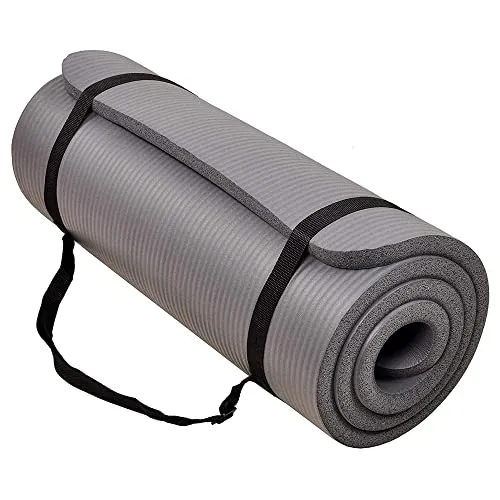
BalanceFrom Yoga Mat, 1-Inch Extra Thick High Density Exercise Mat

#1 Overall Winner

BalanceFrom Yoga Mat, 1-Inch Extra Thick High Density Exercise Mat

91/100
  • Deep cushioning: The 1-inch foam construction is well suited to floor exercises on hard surfaces.
View review
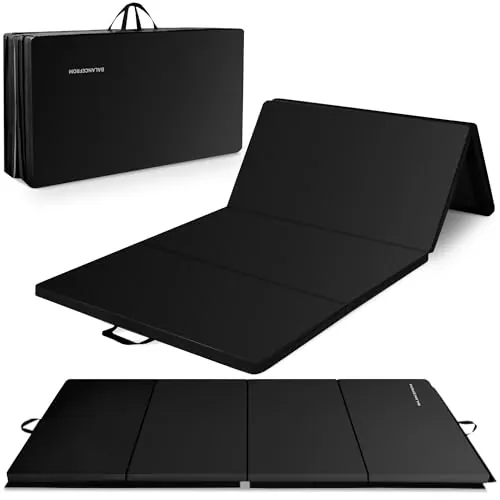
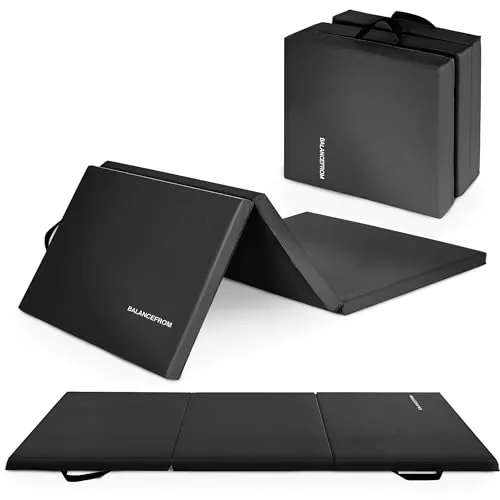
BalanceFrom 6x2 Feet 3-Panel Folding Gymnastics Mat

Contender

BalanceFrom 6x2 Feet 3-Panel Folding Gymnastics Mat

88/100
  • Thicker, firmer pad: Its 2-inch high-density EPE foam is designed for yoga, Pilates, aerobics, tumbling, and martial-arts-style practice.
View review

Quick verdict

Choose the 1-inch BalanceFrom Yoga Mat for softer cushioning, simple roll-up storage, and comfortable everyday floor workouts. Choose the 2-inch Folding Gymnastics Mat for firmer support, easier wipe-clean care, compact folding storage, and a wider range of home activities. For most versatile use, the folding mat has the edge.

Overall winner

Depends on your needs

At-a-glance comparison

Feature BalanceFrom Yoga Mat, 1-Inch Extra Thick High Density Exercise Mat BalanceFrom 6x2 Feet 3-Panel Folding Gymnastics Mat Winner

Primary format

Roll-up foam mat with carrying strap

Three-panel folding mat with carrying handles

Depends

Thickness

1 inch

2 inches

BalanceFrom 6x2 Feet 3-Panel Folding Gymnastics Mat

Opened size

71 x 24 inches

72 x 24 inches listed

Tie

Surface material

Foam

Vinyl cover over EPE foam

Depends

Comfort for floor work

Very soft, deep cushioning

Firm, thick cushioning

BalanceFrom Yoga Mat, 1-Inch Extra Thick High Density Exercise Mat

Stability

Non-slip surfaces; softer foam feel

Firm high-density padding

BalanceFrom 6x2 Feet 3-Panel Folding Gymnastics Mat

Cleaning

Hand wash only

Soap-and-water washable vinyl

BalanceFrom 6x2 Feet 3-Panel Folding Gymnastics Mat

Portability

Rolls up; includes strap

Folds; includes handles; listed at 3 pounds

BalanceFrom 6x2 Feet 3-Panel Folding Gymnastics Mat

Mobility and Pilates use

Comfortable for stretching and floor exercise

Listed for yoga, aerobics, and Pilates

BalanceFrom 6x2 Feet 3-Panel Folding Gymnastics Mat

Durability feedback

Some reports of rips, cuts, or punctures

Generally positive, with some seam and corner wear reports

BalanceFrom 6x2 Feet 3-Panel Folding Gymnastics Mat

Price

$38.99

$43.99

Depends

Best fit

Comfort-first home floor workouts

Versatile, structured home training

Depends

Detailed comparison

Recovery Support

For post-session stretching and relaxed floor mobility, both products provide a more comfortable alternative to bare floors. The 1-inch mat has the advantage for users who want deep cushioning under pressure points during slower positions. The 2-inch model is thicker but deliberately firmer, which may suit people who do not want to sink into the surface. Reviews describe both mats as comfortable for knees during exercise, but those comments are individual experiences rather than evidence of a specific recovery benefit.

Training Use

Both mats are useful for home-based floor training, including stretching, bodyweight circuits, core work, and yoga. The 1-inch roll-up mat is more focused on comfortable everyday exercise, particularly where knees, hips, shoulders, or the tailbone meet a hard floor. The 2-inch folding mat supports a broader range of listed activities, including Pilates, aerobics, tumbling, and martial arts. Its firm foam is more suitable when users need cushioning without an overly soft surface. Neither mat replaces proper technique, clear floor space, or activity-appropriate supervision for dynamic movements.

Strength Training

For bodyweight strength sessions, both mats can improve comfort during planks, crunches, glute bridges, and mobility-based warm-ups. The 1-inch mat is the more comfortable option for slow, floor-contact exercises because its foam is softer and highly cushioned. The 2-inch folding mat is better for varied home circuits where a firmer base is helpful for positioning and transitions. Neither product is a load-bearing strength-training platform, so users should avoid assuming either mat is intended to secure weights or equipment.

Mobility & Flexibility

The folding mat has a modest advantage for mobility and flexibility routines because its firm 2-inch padding and listed Pilates use support controlled movement while reducing contact with hard floors. The 1-inch foam mat is still a strong option for stretching, gentle yoga, and low-impact floor exercise, especially for users who want more softness beneath knees and hips. For balance-focused yoga, the firmer folding mat may feel more predictable; for restorative positions, the roll-up mat’s softer cushioning may be preferable.

Recovery

Both mats can be useful as comfortable surfaces for post-workout stretching, relaxed mobility work, and gentle floor routines. The 1-inch foam model is particularly appealing where softer cushioning is the priority. The folding mat provides more thickness with a firmer feel and can suit users who prefer a stable surface for longer stretching sessions. These products provide a training surface only; they do not establish or verify recovery outcomes beyond their practical cushioning and support.

Performance

Each mat appears to perform well in its intended role, but the intended roles are slightly different. The 1-inch BalanceFrom mat performs best as a comfortable, non-slip surface for standard home exercise, yoga, and floor work. Its buyer feedback strongly supports its cushioning, although the added softness can be a compromise during balance-focused positions. The 2-inch folding mat performs more broadly as a firm, thick pad for mobility work, Pilates, and higher-movement activities. Its vinyl surface, resilient foam, and folding construction make it the more adaptable option, with reported seam wear the primary performance caveat.

Training Support

The 1-inch mat supports workout consistency by making floor exercises more comfortable and by rolling up quickly after use. It is a practical fit for beginners building a basic home routine around stretching, yoga, and core work. The 2-inch folding mat provides more training variety because its listed uses include Pilates, aerobics, tumbling, and martial arts alongside yoga. The firmer pad can better suit users progressing from gentle floor work to more dynamic drills. For advanced technical yoga or gymnastics, users should still consider the specific stability, space, and safety needs of their activity.

Strength Training Analysis

Neither mat supplies resistance, but both can support bodyweight strength training. The 1-inch foam mat is more forgiving during supine core work and kneeling exercises, where cushioning is often the deciding factor. The 2-inch folding mat provides a firmer, more stable foundation for planks, transitions, and mixed floor circuits, while adding more impact protection. Buyers doing primarily slow core and mobility work may prefer the first mat’s softer feel. Those combining bodyweight exercise with more active movement will likely benefit more from the folding model.

Mobility & Flexibility Analysis

The folding mat is the more capable choice for a dedicated mobility or Pilates area because it combines firm support, 2-inch padding, and a surface designed to wipe clean. Its foldable format also makes it practical to set up and put away regularly. The 1-inch foam mat is well suited to gentle stretching and restorative floor work, with especially favorable comfort feedback. The key decision is feel: choose the first for softness and choose the second for a more structured platform during controlled range-of-motion work.

Recovery Support

For post-session stretching and relaxed floor mobility, both products provide a more comfortable alternative to bare floors. The 1-inch mat has the advantage for users who want deep cushioning under pressure points during slower positions. The 2-inch model is thicker but deliberately firmer, which may suit people who do not want to sink into the surface. Reviews describe both mats as comfortable for knees during exercise, but those comments are individual experiences rather than evidence of a specific recovery benefit.

BalanceFrom Yoga Mat, 1-Inch Extra Thick High Density Exercise Mat

Pros

  • Deep cushioning: The 1-inch foam construction is well suited to floor exercises on hard surfaces.
  • Comfort-focused design: Reviews frequently highlight knee, back, and tailbone comfort.
  • Double-sided non-slip surfaces: The listing identifies slip resistance as a key feature.
  • Simple roll-up storage: It rolls up and includes a carrying strap.
  • Strong buyer feedback: A large review base repeatedly praises its comfort and everyday exercise usefulness.

Cons

  • Potential balance trade-off: The extra-thick foam can feel less stable for users who prefer a thin, firm yoga surface.
  • Mixed durability reports: Some buyers report cuts, punctures, or tearing.
  • Hand-wash care: The listed care instructions are less convenient than a wipe-clean vinyl cover.
  • Roll-up profile: It stores easily, but it does not fold into a compact square.
BalanceFrom Yoga Mat, 1-Inch Extra Thick High Density Exercise Mat

BalanceFrom 6x2 Feet 3-Panel Folding Gymnastics Mat

Pros

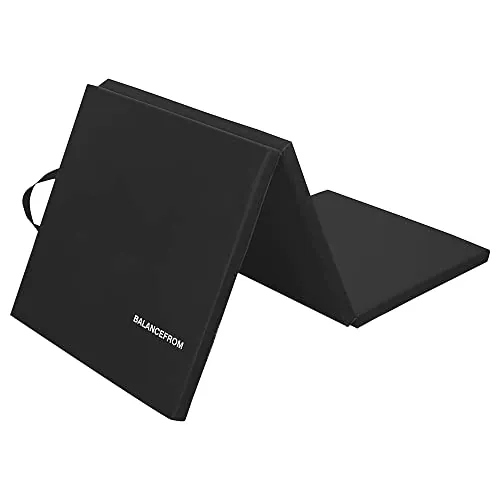
  • Thicker, firmer pad: Its 2-inch high-density EPE foam is designed for yoga, Pilates, aerobics, tumbling, and martial-arts-style practice.
  • Folding storage: The three-panel design folds to a compact shape and includes carrying handles.
  • Easy-clean vinyl surface: The non-absorbent vinyl can be washed with soap and water.
  • Versatile training surface: Its firm cushioning suits floor work as well as activities that need more impact protection.
  • Positive durability feedback: Many buyers describe dense padding, solid stitching, and long-term shape retention.
  • Practical value: It costs only slightly more than the roll-up mat while adding thickness and a foldable format.

Cons

  • Firm feel: The dense EPE foam may not suit people who want a softer, more yielding surface.
  • Seam wear reports: Some reviews mention corners or folding seams becoming damaged with rough handling or extended use.
  • Possible size variation: One buyer reported measurements shorter and narrower than the advertised dimensions.
  • Bulkier folded shape: Although portable, its folded 24 x 24 x 6-inch format may be less convenient than a rolled mat in narrow storage areas.
BalanceFrom 6x2 Feet 3-Panel Folding Gymnastics Mat

Final verdict

The BalanceFrom 2-Inch 3-Panel Folding Gymnastics Mat is the better all-around option. It combines firm cushioning, a durable-looking vinyl-covered design, simple cleaning, built-in handles, and compact folding storage. It is especially compelling for users whose routines go beyond gentle yoga into Pilates, bodyweight circuits, or more dynamic floor activity. Its main limitation is potential wear at seams or corners with rough handling.

The 1-Inch BalanceFrom Yoga Mat is still an excellent choice for a different buyer. It offers notably softer comfort, useful non-slip surfaces, lower cost, and easy roll-up storage. Its main drawbacks are mixed reports about foam damage and less predictable stability for some balance-focused work. Choose based on whether softness or versatility matters more.

Overall winner

Depends on your needs

Frequently asked questions

Which is better, the BalanceFrom 1-Inch Yoga Mat or the 2-Inch Folding Gymnastics Mat?

The better choice depends on the workout. The 1-inch BalanceFrom mat is the more comfort-led option for everyday floor exercises and roll-up storage. The 2-inch folding mat is the more versatile choice for users who want firmer cushioning, wipe-clean vinyl, folding storage, or a surface suitable for tumbling and martial-arts-style practice.

Which mat is better for yoga and stretching?

Both can work for yoga and stretching, but their feel differs. The 1-inch foam mat is a strong option for users who want softer cushioning during kneeling and floor poses. The folding mat offers a firmer platform and is listed for yoga and Pilates, which may appeal to users who prefer more support beneath them.

Which BalanceFrom mat is better for hard floors?

Either mat adds meaningful cushioning over hard flooring. The 1-inch foam mat receives particularly consistent feedback for comfort during floor exercises, while the 2-inch folding model provides more total thickness and firm padding. Choose the first for a softer roll-up mat and the second for a more structured, thicker pad.

Which mat is easier to clean?

The 2-inch folding mat has the clearer advantage for routine cleaning because its non-absorbent vinyl surface is listed as washable with soap and water. The 1-inch foam mat has hand-wash-only care instructions. Buyers should still follow the manufacturer’s care guidance and allow either mat to dry before storage.

Which mat is better for small spaces?

The folding mat is generally the more space-efficient option because it folds into a 24 x 24 x 6-inch shape and has carrying handles. The 1-inch mat also stores conveniently by rolling up and securing with its included strap. The best choice depends on whether a folded square or a rolled cylinder fits your storage area better.

Are these mats suitable for strength and core workouts?

Both mats can support bodyweight strength work such as planks, sit-ups, crunches, and mobility-based warm-ups. The 1-inch mat is especially comfort-oriented for contact points against the floor. The 2-inch folding mat offers firmer support and more impact protection, making it the broader option for varied floor-training sessions.

What durability concerns should buyers consider?

The 1-inch foam mat has some buyer reports of cuts, punctures, and tearing, despite many positive comments about its feel and quality. For the folding mat, some users report wear at corners or the folding seam, particularly with rough storage or frequent use. Careful handling and appropriate storage matter for both designs.

Does either mat have better support for balance-focused yoga?

The folding mat is likely the more stable choice for users who want a firm, resilient platform, although personal preference matters. The 1-inch foam mat has double-sided non-slip surfaces, but its thicker, softer construction can feel less steady for some balance positions. Those prioritizing cushioning may still prefer the 1-inch model.

Related comparisons

Still not sure which one to choose?

Check our rankings and expert guides to find the best fitness products for your goals.

View all rankings