TrainingRanker
Menu
BalanceFrom 1-Inch Yoga Mat vs 1.5-Inch Folding Gym Mat

Comparison

BalanceFrom 1-Inch Yoga Mat vs 1.5-Inch Folding Gym Mat

These BalanceFrom mats both add meaningful cushioning for yoga, mobility work, and home floor exercise. The one-inch mat favors a soft, continuous roll-out surface, while the 1.5-inch folding mat adds a wipe-clean vinyl cover, panel storage, and clearer suitability for tumbling and varied home workouts. Choose based on whether comfort-first floor work or foldable versatility is the priority.

Expert tested Data driven Unbiased reviews Updated 2 August 2026
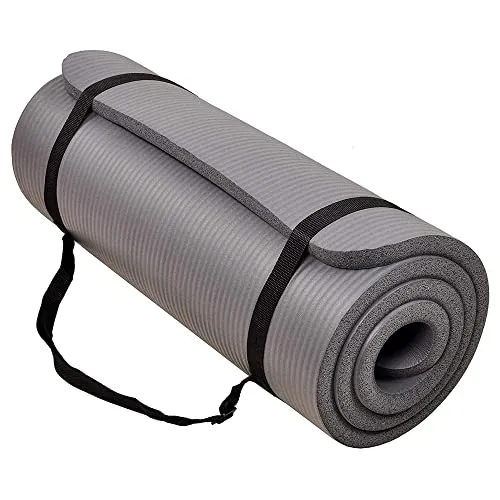
BalanceFrom 1-Inch Extra Thick Yoga Mat

#1 Overall Winner

BalanceFrom 1-Inch Extra Thick Yoga Mat

91/100
  • One-inch foam construction provides substantial cushioning for floor-based exercise.
View review
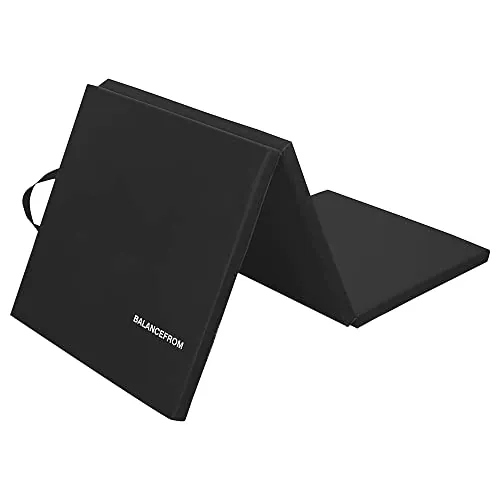
BalanceFrom 1.5-Inch 3-Panel Folding Gymnastics Mat

Contender

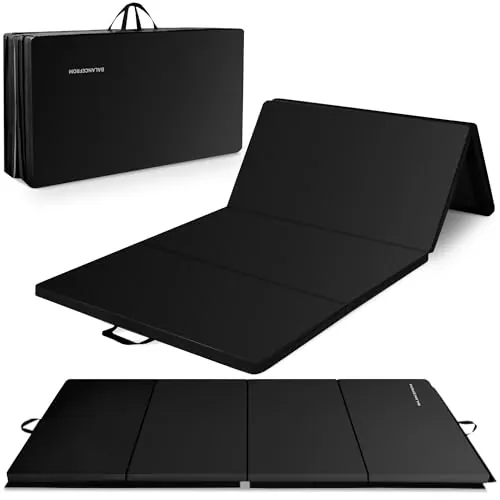
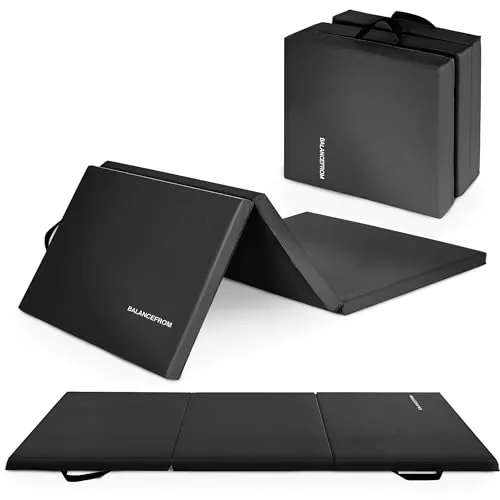
BalanceFrom 1.5-Inch 3-Panel Folding Gymnastics Mat

90/100
  • The 1.5-inch folding pad offers dense cushioning for tumbling, Pilates, yoga, martial arts, and floor workouts.
View review

Quick verdict

Choose the folding gymnastics mat for the more versatile home setup: it is better suited to varied floor training, basic tumbling, easy cleaning, and compact folded storage. Choose the one-inch yoga mat if a seamless roll-out surface and soft cushioning for yoga, stretching, and floor exercise are more important than folding versatility.

Overall winner

Depends on your needs

At-a-glance comparison

Feature BalanceFrom 1-Inch Extra Thick Yoga Mat BalanceFrom 1.5-Inch 3-Panel Folding Gymnastics Mat Winner

Primary format

Roll-up foam exercise mat

Three-panel folding foam pad with vinyl cover

Depends

Stated thickness

1 inch

1.5 inches

BalanceFrom 1.5-Inch 3-Panel Folding Gymnastics Mat

Dimensions

71 by 24 inches

72 by 24 inches

Tie

Yoga and mobility use

Continuous non-slip foam surface

Padded, textured folding surface

Depends

Tumbling and gymnastics use

General exercise positioning

Specifically listed for tumbling and gymnastics

BalanceFrom 1.5-Inch 3-Panel Folding Gymnastics Mat

Grip and stability

Double-sided non-slip surfaces

Textured, double-sided vinyl cover

BalanceFrom 1.5-Inch 3-Panel Folding Gymnastics Mat

Comfort for floor work

Soft one-inch cushioning

Firm 1.5-inch cushioning

Depends

Durability evidence

Mixed feedback; some ripping reports

Vinyl cover, reinforced stitching, positive long-use feedback

BalanceFrom 1.5-Inch 3-Panel Folding Gymnastics Mat

Cleaning

Hand wash only

Water and soap; wipe-clean vinyl surface

BalanceFrom 1.5-Inch 3-Panel Folding Gymnastics Mat

Storage

Rolls up with included strap

Folds into three panels with handles

BalanceFrom 1.5-Inch 3-Panel Folding Gymnastics Mat

Portability

Carrying strap included

Built-in handles and folding design

BalanceFrom 1.5-Inch 3-Panel Folding Gymnastics Mat

Expandability

No connection feature provided

Hook-and-loop edges for joining mats

BalanceFrom 1.5-Inch 3-Panel Folding Gymnastics Mat

Price

$38.99

$34.99

BalanceFrom 1.5-Inch 3-Panel Folding Gymnastics Mat

Best overall fit

Comfort-first yoga and floor exercise

Versatile home fitness and basic tumbling

Depends

Detailed comparison

Recovery Support

Product A is the preferable mat for gentle post-workout stretching and floor mobility when maximum softness is the priority. Its customer feedback repeatedly describes comfortable support for knees, back, and hard-floor exercise. Product B remains a capable recovery surface, with firm 1.5-inch cushioning and easy-clean vinyl that can suit shared spaces. The choice depends on whether the mat will be mainly used for relaxed mobility work or needs to double as a more active general-training pad.

Training Use

Both mats support consistent home training by making floor-based sessions more practical on hard surfaces. Product A is the simpler choice for yoga, mobility, core work, and bodyweight exercise where a single uninterrupted surface is useful. Product B supports a broader training mix, including Pilates, aerobics, martial arts, and basic tumbling, while its foldable panels can be repositioned for selected drills. For a dedicated exercise mat, Product A is sufficient; for a multi-purpose household training pad, Product B has the clearer advantage.

Strength Training

Neither product replaces load-bearing strength equipment, but both can improve comfort for bodyweight strength work such as planks, sit-ups, glute bridges, and mobility between sets. Product B is the better fit for varied floor circuits because its firmer, thicker pad is positioned for gymnastic and aerobic use and receives positive feedback for supporting strength exercises. Product A is especially appealing for users who want softer cushioning under knees, hips, shoulders, or back during controlled floor movements.

Cardio Training

These are not dedicated cardio products, but they can support low-impact conditioning, aerobics, and movement drills at home. Product B has the stronger case because aerobics and martial arts are listed uses, its textured vinyl surface is intended to stay secure indoors, and its durable construction is better supported for active sessions. Product A is more appropriate for floor-based conditioning and warm-ups than repeated jumping or fast lateral movements. Neither mat provides workout tracking or adjustable exercise resistance.

Mobility & Flexibility

Both mats are well matched to stretching, yoga, Pilates, and cooldown work. Product A has the advantage for users who want a seamless foam surface and notably soft cushioning during prolonged kneeling, supine stretches, and slow floor transitions. Product B adds a half-inch of stated padding, firmer support, and a textured wipe-clean cover, making it useful for mixed mobility and fitness routines. For demanding balance poses, the extra thickness of either mat may feel different from a thin studio yoga mat.

Recovery

For non-medical recovery routines such as gentle stretching, floor mobility, and relaxed cooldown work, both mats offer a more cushioned surface than bare flooring. Product A is the stronger comfort-first option, with repeated buyer feedback about knee and back comfort during floor exercise. Product B is better if recovery work is part of a broader routine that also includes Pilates, bodyweight training, or basic movement drills. Neither product should be viewed as a treatment for pain or injury.

Performance

Each mat performs well in its intended role, but their strengths differ. Product A is highly effective as a thick all-purpose exercise mat, with a non-slip foam surface and extensive feedback praising comfort during floor work. Its concern is that some buyers report cuts or ripping over time. Product B performs more broadly: its padded, textured vinyl construction is intended for yoga, Pilates, tumbling, aerobics, and martial arts, while buyer feedback supports its supportive firmness and secure feel. Product B is the more capable multi-activity pad; Product A is the more focused comfort-oriented mat.

Training Support

Product B provides stronger routine flexibility because it accommodates several training styles, folds away after use, and can connect to additional mats for a larger surface. That makes it a practical option for households sharing one training space. Product A also supports regular workouts effectively, particularly yoga, stretching, core routines, and bodyweight exercise, and its strap makes it easy to roll away between sessions. Beginners can use either, but Product B offers more variety, while Product A offers a more straightforward, uninterrupted training surface.

Strength Training Analysis

For floor-based strength sessions, Product B has the better overall support. Its thicker, firmer pad is more clearly positioned for dynamic home workouts and buyers describe it as sturdy while still cushioned. The folding design also permits some elevated or supported positions. Product A remains useful for lower-impact bodyweight work, especially when comfort under joints is the primary requirement. Because both mats are only 24 inches wide, users should check that the width suits their preferred exercises before buying.

Cardio Training Analysis

Product B is the better option for mat-based conditioning because the listing explicitly includes aerobics and martial arts, and its textured vinyl surface is designed for secure indoor placement. Its durable, folding construction also appears better suited to active multi-use sessions. Product A can support floor cardio drills, warm-ups, and low-impact routines, but the available data emphasizes yoga and cushioned floor exercise rather than more dynamic movement. Neither option is a substitute for purpose-built cardio equipment.

Mobility & Flexibility Analysis

Product A is particularly strong for comfort-led flexibility work because its dense one-inch foam has repeated praise for cushioning knees and making hard-floor exercise more tolerable. Its uninterrupted surface also suits slow flows and long stretches. Product B is equally capable for general yoga and Pilates, with thicker padding and firmer support that buyers appreciate for floor movement. Users focused on balance-intensive poses may prefer whichever surface feels least unstable underfoot, as extra thickness can alter proprioception.

Recovery Support

Product A is the preferable mat for gentle post-workout stretching and floor mobility when maximum softness is the priority. Its customer feedback repeatedly describes comfortable support for knees, back, and hard-floor exercise. Product B remains a capable recovery surface, with firm 1.5-inch cushioning and easy-clean vinyl that can suit shared spaces. The choice depends on whether the mat will be mainly used for relaxed mobility work or needs to double as a more active general-training pad.

BalanceFrom 1-Inch Extra Thick Yoga Mat

Pros

  • One-inch foam construction provides substantial cushioning for floor-based exercise.
  • Double-sided non-slip surfaces are designed to improve traction during indoor workouts.
  • The included carrying strap supports rolling, storage, and transport.
  • Its 71-by-24-inch format suits many yoga, stretching, core, and bodyweight routines.
  • Buyer feedback repeatedly highlights comfort on hard floors, especially for knees and back-focused floor work.
  • Hand-wash care and a roll-up format keep routine upkeep straightforward.

Cons

  • The extra-thick foam can feel less steady than a thinner mat during balance-focused yoga poses.
  • Customer feedback is mixed on long-term durability, with some reports of cuts, punctures, or tearing.
  • The mat rolls rather than folds, so it does not offer configurable panel positions.
  • At 24 inches wide, it may feel narrow for users wanting more lateral room.
BalanceFrom 1-Inch Extra Thick Yoga Mat

BalanceFrom 1.5-Inch 3-Panel Folding Gymnastics Mat

Pros

  • The 1.5-inch folding pad offers dense cushioning for tumbling, Pilates, yoga, martial arts, and floor workouts.
  • A textured vinyl cover is described as moisture resistant and easy to wipe clean.
  • Three folding panels, built-in handles, and a compact folded format support storage and transport.
  • Hook-and-loop edges can connect compatible mats to expand a workout area.
  • Customer feedback commonly praises firmness, versatility, portability, and long-term resistance to ripping.
  • The folding construction can create a raised section for selected drills or supported positions.

Cons

  • The 24-inch width may be restrictive for wider floor routines or side-to-side movement.
  • Although it folds compactly, some buyers describe the folded pad as bulky.
  • Panel seams and the folding format may not provide the same uninterrupted surface as a roll-out mat.
  • The listed weight information is inconsistent between the product details and specifications, so buyers should confirm the current listing before purchase.
BalanceFrom 1.5-Inch 3-Panel Folding Gymnastics Mat

Final verdict

Product B, the BalanceFrom 1.5-Inch 3-Panel Folding Gymnastics Mat, narrowly wins this comparison as the more versatile and better-supported home exercise mat. Its chief strengths are thicker padding, a stable textured vinyl cover, easy cleaning, folding portability, and stronger durability feedback. Its main limitation is a narrow 24-inch surface that can still feel bulky once folded.

Product A, the BalanceFrom 1-Inch Extra Thick Yoga Mat, remains an excellent choice for comfort-first yoga, stretching, and floor work. Its standout feature is soft, continuous cushioning that buyers appreciate on hard floors. However, it is less adaptable and has more mixed reports on tearing. Choose Product B for multi-use training; choose Product A for a plush roll-out exercise surface.

Overall winner

Depends on your needs

Frequently asked questions

Which is better, the BalanceFrom 1-Inch Yoga Mat or the 1.5-Inch Folding Gymnastics Mat?

The folding gymnastics mat is the more versatile choice for users combining floor workouts with tumbling, Pilates, or other activities that benefit from a firmer 1.5-inch pad and foldable format. The one-inch yoga mat is the better fit when a continuous roll-out surface, softer foam feel, and included carrying strap matter most.

Which BalanceFrom mat is better for yoga?

Both can work for yoga, particularly when extra cushioning is preferred. The one-inch mat has a continuous double-sided non-slip foam surface and is designed specifically as an all-purpose yoga and exercise mat. The folding mat adds more padding and grip, but its panel seams and thicker profile may be less appealing for balance-focused flows.

Which mat is better for floor workouts and core training?

The folding mat has a small advantage for varied floor workouts because its firmer padded construction is also intended for aerobics, gymnastics, and martial arts. The one-inch mat remains a strong option for sit-ups, planks, stretching, and other bodyweight work, with customer feedback frequently noting its comfort on hard floors.

Which mat is easier to store in a small home?

The folding mat is generally the more practical storage option because its three panels fold into a compact block with built-in carrying handles. The one-inch mat is also easy to store: buyers report that it rolls up readily, and it includes a strap. The better option depends on whether a rolled cylinder or folded pad suits the available space.

Is the folding gymnastics mat more durable than the one-inch yoga mat?

Available feedback favors the folding mat for durability. Its vinyl cover and reinforced stitching are supported by repeated customer reports of long-term use without ripping. The one-inch foam mat receives positive durability comments too, but its feedback also includes some reports of cuts, punctures, and tearing, so long-term wear appears less consistent.

Which BalanceFrom mat is better for beginners?

The folding mat is the more adaptable beginner option for users exploring several activities because it provides a stable padded surface, folds for storage, and can be used for yoga, Pilates, floor exercise, and basic tumbling practice. Beginners focused mainly on gentle stretching or straightforward home exercise may prefer the simpler roll-out design of the one-inch mat.

Can either mat help make hard floors more comfortable for exercise?

Yes. Both products use thick foam padding and are frequently praised by buyers for making kneeling, lying, stretching, and floor exercises more comfortable on hard indoor flooring. The folding mat provides a stated 1.5 inches of padding, while the yoga mat is one inch thick. Neither product removes the need to use sensible technique and an appropriate exercise area.

Which mat offers better value?

The folding mat has the stronger value case from the provided information: it costs less, adds a thicker vinyl-covered folding design, handles, and connectable edges, and receives especially positive feedback for versatility and durability. The one-inch yoga mat remains worthwhile for buyers who specifically want a softer, continuous roll-up mat and included strap.

Related comparisons

Still not sure which one to choose?

Check our rankings and expert guides to find the best fitness products for your goals.

View all rankings