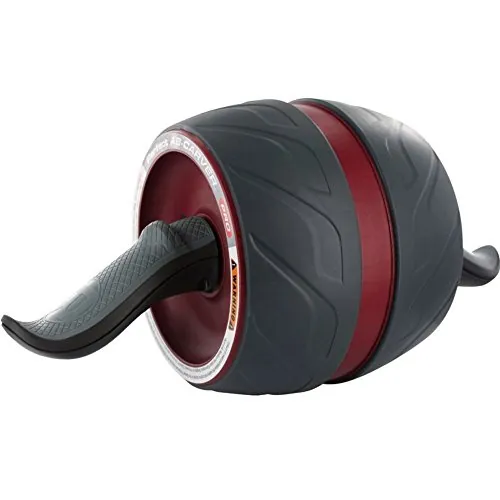
#1 Overall Winner
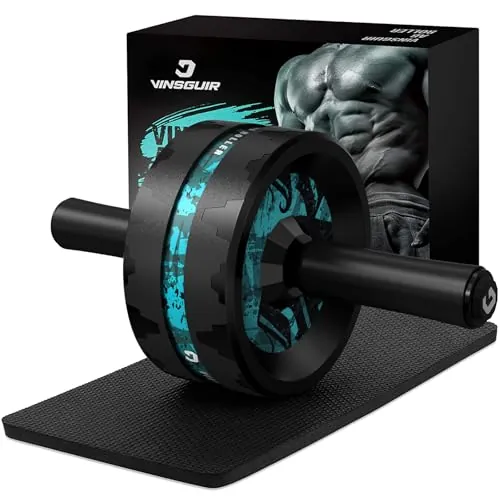
Perfect Fitness Ab Carver Pro
- Built-in carbon steel spring adds resistance and provides some assistance on the return
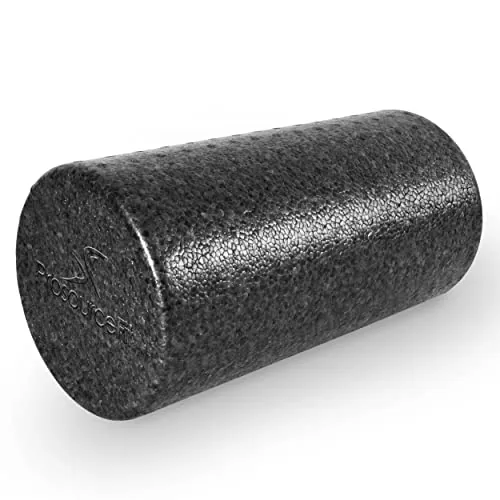
Comparison
The Perfect Fitness Ab Carver Pro and ProsourceFit High Density Foam Roller are both compact home fitness tools, but they target different goals. The Ab Carver Pro is designed for resisted roll-outs to challenge the core (and often shoulders/arms), while the foam roller is mainly for mobility and post-workout recovery-style routines. If you want direct core loading, the Ab Carver fits better; if you want a firm self-massage and stretching tool, the foam roller is the more practical pick.
#1 Overall Winner
Contender
Choose the Perfect Fitness Ab Carver Pro if you want a compact, stable ab wheel with built-in spring resistance for challenging roll-outs at home. Choose the ProsourceFit High Density Foam Roller (12 x 6) if your priority is a firm, low-maintenance recovery and mobility tool that’s easy to store and travel with. For many home gyms, they complement each other rather than replace one another.
Overall winner
Depends on your needs
| Feature | Perfect Fitness Ab Carver Pro | ProsourceFit High Density Foam Roller (12 x 6 in) | Winner |
|---|---|---|---|
| Category / primary use | Resisted ab roll-out wheel (core accessory) | High-density foam roller (mobility/recovery tool) | Depends |
| Best for strength-focused core work | Designed for roll-outs with spring resistance | Can support Pilates/yoga core drills, not load-based | Perfect Fitness Ab Carver Pro |
| Best for recovery and post-workout use | Not positioned as a recovery tool | Designed for pre/post-workout rolling and stretching support | ProsourceFit High Density Foam Roller (12 x 6 in) |
| Mobility / flexibility routines | Limited relevance | Strong fit for yoga/Pilates and range-of-motion support | ProsourceFit High Density Foam Roller (12 x 6 in) |
| Stability during use | Ultra-wide wheel tread for stable carving/roll-outs | Stable cylinder, but can feel firm on contact points | Perfect Fitness Ab Carver Pro |
| Comfort (typical feedback) | Often comfortable grips; some report back discomfort | Firm feel; comfort feedback is mixed, can be “too hard” | Depends |
| Ease of setup and use | Simple assembly; technique matters | No assembly; straightforward rolling/positioning | ProsourceFit High Density Foam Roller (12 x 6 in) |
| Portability | Compact; removable handles | 12-inch size is travel-friendly and lightweight | ProsourceFit High Density Foam Roller (12 x 6 in) |
| Maintenance | Low maintenance; occasional handling and storage care | Water-resistant, hygienic, easy to wipe down | ProsourceFit High Density Foam Roller (12 x 6 in) |
| Noise | Very quiet accessory | Silent in use | Tie |
| Space efficiency | Small footprint; stores easily | Small footprint (12-inch) and easy to stash | Tie |
| Durability (buyer sentiment) | Frequently described as sturdy; some concerns about discomfort, not breakage | Often praised for retaining firmness and shape over time | ProsourceFit High Density Foam Roller (12 x 6 in) |
| Value for money | Higher price, more specialized training effect | Lower price, broad routine utility | ProsourceFit High Density Foam Roller (12 x 6 in) |
| Customer satisfaction pattern | Very high ratings with many reviews; praised for effective core/shoulder work | Very high ratings with many reviews; praised for quality and firmness | Tie |
The ProsourceFit foam roller offers stronger recovery support because it’s intended for pre/post-workout use and is repeatedly described by reviewers as helpful for tight areas (such as back and legs). Its high-density construction is also commonly linked to long-term shape retention, which matters for consistent pressure.
The Ab Carver Pro is not designed as a recovery tool and can be demanding on the core and shoulders. If your priority is a dedicated recovery accessory, the foam roller is the clearer choice.
The Ab Carver Pro is best viewed as a workout implement: it creates a challenging core stimulus through roll-outs and adds a spring-based resistance/assist feel that can help manage tempo. It fits well into strength-oriented sessions as a dedicated accessory after main lifts or circuits.
The ProsourceFit foam roller is primarily a routine support tool: it’s most useful before training (light rolling) and after training (cool-down rolling/stretch support), and it can also be used as a prop in yoga or Pilates. If your goal is more training variety and progression, the Ab Carver contributes more; if your goal is more consistent mobility and recovery habits, the foam roller contributes more.
For strength training, the Ab Carver Pro has the clearer role because roll-outs load the core under leverage and commonly challenge shoulders and arms as well. The spring mechanism adds a distinct resistance feel and may help with controlled reps and repeatable sets.
The ProsourceFit foam roller is not a strength tool in the traditional sense, but it can support strength training indirectly by helping with warm-ups, cooldowns, and positioning work (for example, using it as a prop for Pilates-style stabilization drills). If you’re choosing based on strength outcomes, the Ab Carver is the more direct option.
The ProsourceFit High Density Foam Roller is purpose-built for mobility and flexibility routines, including gentle stretching support, range-of-motion work, and yoga/Pilates use. It’s also offered in multiple sizes across the product line, which helps match the roller to how you plan to use it.
The Ab Carver Pro can improve core control for some users, but it isn’t designed to increase range of motion or provide the same style of mobility work. If flexibility, posture-oriented drills, or post-workout loosen-up sessions are priorities, the foam roller is the more practical tool.
The foam roller is the stronger recovery choice because it’s explicitly designed for pre- and post-workout use and is repeatedly reviewed as effective for rolling common tight areas like the upper back, calves, thighs, and glutes. Its high density makes it better suited to users who want firmer pressure, though that same firmness can feel too aggressive for some.
The Ab Carver Pro is mainly a training stimulus rather than a recovery modality. While some users may feel better when they build core control over time, roll-outs can also aggravate discomfort if technique or tolerance isn’t there yet. For recovery routines, the foam roller wins.
On pure “does it do what it’s meant to do?” both products come across as strong performers with consistent buyer satisfaction. The Ab Carver Pro’s performance is tied to its wide wheel stability and spring mechanism, which reviewers describe as adding resistance and helping control the return portion of the rep. That can make roll-outs feel more repeatable for short, intense core sessions.
The ProsourceFit foam roller performs best when used for firm rolling and mobility support; users often mention it maintains its shape and firmness over time. The main performance caveat is user tolerance—its density can feel too hard for some beginners.
The Ab Carver Pro supports training when you want a simple, structured accessory you can progress by increasing roll distance, adding sets, or using left/right carving patterns. It’s compact and quick to set up, which helps consistency, but it remains a specialized tool—if you want full-body variety, you’ll need other equipment.
The ProsourceFit foam roller supports training through frequency: it can be used briefly before workouts, after workouts, or on rest days, and it also fits yoga/Pilates sessions. Because it’s low maintenance and easy to store, many users find it easy to keep in regular rotation—assuming the firmness level suits them.
The Ab Carver Pro is more aligned with strength training because it creates meaningful core loading through roll-outs and challenges shoulder stability and arm involvement, supported by its ergonomic grips and spring mechanism. Progression is mostly technique- and range-based, so maintaining bracing is key.
The foam roller is less about strength progression and more about positioning, stabilization drills, and preparation/recovery work around strength sessions. If you want an implement that “adds work” to a strength program, the Ab Carver is the stronger fit.
The ProsourceFit foam roller is the more effective choice for mobility-focused routines because it’s designed for self-myofascial release-style rolling and stretching support, and it’s commonly used in yoga and Pilates contexts. The firm material can help users who want deeper pressure, while potentially feeling too intense for those new to rolling.
The Ab Carver Pro has limited mobility relevance. While improved core control can help movement quality, the product itself is aimed at roll-out strength rather than range-of-motion or flexibility work.
The ProsourceFit foam roller offers stronger recovery support because it’s intended for pre/post-workout use and is repeatedly described by reviewers as helpful for tight areas (such as back and legs). Its high-density construction is also commonly linked to long-term shape retention, which matters for consistent pressure.
The Ab Carver Pro is not designed as a recovery tool and can be demanding on the core and shoulders. If your priority is a dedicated recovery accessory, the foam roller is the clearer choice.
With the Ab Carver Pro, the main practical concern is form and load tolerance. Roll-outs place significant demand on the core and shoulders, and buyer feedback includes some reports of back pain during use. Keeping the range of motion appropriate, moving slowly, and using the included knee pads can help manage comfort and control, but it’s still a challenging movement for some users.
The foam roller’s safety considerations are mostly about pressure tolerance. The high-density feel can be uncomfortable if you’re new to rolling, so starting gently and avoiding excessive pressure is sensible. Overall, both are low-risk when used conservatively and with good control.
Comfort depends on what kind of discomfort you’re trying to avoid. The Ab Carver Pro gets positive feedback for padded/comfortable grips and included knee pads, but some users report back pain during use—often a sign that roll-outs can be too aggressive if form, range, or tolerance isn’t right.
The ProsourceFit foam roller is intentionally very firm, which many users like for deeper pressure, while others find it too hard (especially beginners). If you want softer feel, neither product is inherently “plush,” but the foam roller’s firmness is the more common comfort barrier.
The foam roller is generally simpler: there’s no assembly, and you can scale intensity by shifting bodyweight and time on each area. That makes it easy to add to warm-ups and cooldowns without much planning.
The Ab Carver Pro is also straightforward to assemble and use, but roll-outs have a higher technique requirement and can feel intense quickly. Many users can learn it, but it typically demands more attention to bracing and shoulder position than basic foam rolling.
The Ab Carver Pro is designed around stability: the ultra-wide wheel tread is meant to keep tracking consistent while you roll straight or carve slightly left/right. Review feedback frequently reinforces that the wide wheel helps users feel steadier during extension.
The foam roller is stable in the sense that it’s a solid cylinder on the floor, but “stability” depends on how you position your body on it and whether the firm surface feels controllable. For dynamic, loaded movement, the Ab Carver Pro is the more stability-focused design.
The Ab Carver Pro places grip at the center of the experience, with ergonomic, angled handles that reviewers often describe as comfortable and secure in-hand. That matters because roll-outs demand steady hand positioning under load.
The ProsourceFit foam roller’s “grip” is mostly about how the roller interacts with the floor and your clothing/skin. It’s not a handled product, and feedback focuses more on firmness than surface texture. If handle grip is important, the Ab Carver Pro is the better choice.
Neither product has true “settings,” but both allow practical progression. With the Ab Carver Pro, you can adjust difficulty by changing roll distance, tempo, and using straight vs left/right carving patterns. That gives it more structured progression for training.
With the foam roller, adjustability is mainly user-controlled pressure and positioning (plus choosing a different roller size within the product line). If you want clearer, workout-style progression, the Ab Carver Pro offers more.
Both products are strong choices for small spaces. The Ab Carver Pro has a compact footprint and removable handles, making it easy to tuck into a closet or under a bed. The foam roller in the 12-inch size is even easier to stash in a corner or bag, and the brand also offers longer sizes if you have the space.
If you’re working with very limited storage, the 12-inch foam roller is the simplest item to keep around, but neither one requires meaningful floor space when not in use.
Both are very quiet, apartment-friendly tools. The Ab Carver Pro typically produces only light rolling sound on the floor, and the foam roller is essentially silent aside from minor contact noise. If you train early or late and want minimal disruption, either option is a good fit.
Both products are widely described as well made for their categories. The Ab Carver Pro is frequently called sturdy, with reviewers highlighting the solid feel of the handles, secure assembly, and stable wide wheel. Its moving parts (spring mechanism) add complexity, but buyer feedback is generally positive on the overall construction.
The ProsourceFit foam roller’s build quality is strongly tied to material density and shape retention. Reviews often mention that it keeps its firmness and doesn’t “squash” like softer rollers over time. If you prefer simple, no-moving-parts construction, the foam roller has an inherent advantage.
Both tools show strong durability signals from review patterns, but they wear differently. The Ab Carver Pro has a mechanical component (the internal spring), and while many reviewers describe it as sturdy, any moving mechanism introduces more potential failure points than a solid foam cylinder.
The ProsourceFit foam roller is often praised for maintaining its form and firmness over months or years of use, and users commonly compare it favorably against rollers that compress over time. If long-term shape retention is your main durability concern, the foam roller has the edge.
The ProsourceFit foam roller is explicitly described as water-resistant and hygienic, which generally means simple wipe-down care and low ongoing maintenance. It also has no moving parts, reducing upkeep concerns.
The Ab Carver Pro is also low maintenance, but it does include a spring mechanism and removable handles, so you’ll want to store it clean and assembled correctly and check that everything remains secure. In everyday use, both require very little maintenance.
The ProsourceFit 12-inch foam roller is designed around portability: it’s compact, easy to pack, and commonly mentioned as travel-friendly. The Ab Carver Pro is also portable for an ab wheel because its handles are removable and the unit is compact, but it’s still a rigid shape that can be bulkier in a bag.
If you want the easiest “throw it in the car or suitcase” option, the shorter foam roller is typically the more convenient carry.
For equipment, “ingredient transparency” mainly means how clearly the materials are described. The Ab Carver Pro is listed as plastic with an internal carbon steel spring and removable ergonomic grips, which gives a basic sense of what you’re buying. The ProsourceFit foam roller specifies expanded polypropylene (EPP) and describes it as water-resistant and recyclable.
Overall, the foam roller provides clearer material detail (specific foam type), while the Ab Carver provides the key information about its spring mechanism but less detail on plastics/grip materials.
The ProsourceFit foam roller is lower priced and tends to get used across more situations: warm-ups, cooldowns, mobility sessions, and general recovery routines. Reviews also frequently cite durability and firmness retention, which supports long-term value.
The Ab Carver Pro costs more but delivers a more specific training effect: a stable, spring-assisted/resisted roll-out experience that many users find effective for short core sessions at home. If you’ll use it consistently for progressive roll-outs, it can be worth it; if you want one tool you’ll reach for most days, the foam roller is often the better value.
Both brands show strong marketplace trust signals through high ratings and very large review counts. Perfect Fitness is closely associated with a specific, named product (Ab Carver Pro) and consistent buyer feedback about stability and build. ProsourceFit shows depth in the category by offering multiple roller sizes and colors, with repeated comments about durability and usability.
Based on the provided data, both appear established for entry-level home fitness accessories, with no clear trust advantage either way.
Buyer satisfaction is strong for both products, each holding high average ratings across tens of thousands of reviews. Ab Carver Pro reviews commonly praise how intense the core workout feels, the stability of the wide wheel, and the comfort of the grips; recurring negatives include occasional reports of back discomfort and minor complaints about the included knee pads.
Foam roller reviews frequently highlight durability and firmness retention, plus value and portability. The main recurring complaint is that the roller can feel too hard for some users. Overall sentiment is very positive on both, with different comfort trade-offs.
Warranty or formal support details were not provided for either product in the available data, so a direct comparison isn’t possible. If warranty coverage matters to you, check the seller/manufacturer documentation before purchasing.
Both products’ core claims are reasonably supported by their designs and buyer feedback, with important caveats. The Ab Carver Pro’s claims about added resistance/assistance and stability align with its internal spring mechanism and wide tread, and reviewers frequently mention feeling strong core and arm involvement. However, results depend heavily on consistent training and form, and some users report back discomfort.
The foam roller’s claims about firmness, low maintenance, and recovery/mobility utility align with its high-density EPP material and repeated feedback about shape retention and firm pressure. As with most recovery tools, outcomes are individual and not guaranteed.
This comparison is best treated as different tools for different goals. The Perfect Fitness Ab Carver Pro is the better pick for training-focused users who want a compact, stable ab wheel with a spring mechanism to add resistance and help control the return—its main limitation is narrow versatility and some reports of back discomfort when used aggressively or with poor form.
The ProsourceFit High Density Foam Roller (12 x 6) is the better pick for mobility and recovery routines, with standout portability, low maintenance, and frequent praise for retaining firmness over time—its main limitation is comfort, since the very firm feel can be too intense for some beginners. If you can, many home gyms benefit from owning both.
Overall winner
Depends on your needs
They’re built for different jobs. Perfect Fitness Ab Carver Pro is a strength-focused core accessory for roll-outs with a spring-resistance mechanism and a wide wheel for stability. The ProsourceFit High Density Foam Roller is mainly for mobility and post-workout recovery-style routines (self-massage, stretching support, Pilates/yoga props). The better choice depends on whether you want core loading or recovery/mobility.
The Perfect Fitness Ab Carver Pro is the more direct tool for core roll-out training, with a wide wheel for stability and a spring mechanism that adds resistance while helping the return. The ProsourceFit foam roller can be used in Pilates/yoga-style core drills and stabilization positions, but it’s not designed to progressively load the abs the way a roll-out wheel does.
The ProsourceFit High Density Foam Roller is the clearer pick for mobility and flexibility routines. It’s described as useful for gentle stretching, range-of-motion work, and as a prop in yoga and Pilates. The Ab Carver Pro can build bracing and control, but it isn’t a dedicated mobility tool and doesn’t provide the same support for stretching and release work.
Most beginners will find the foam roller easier to start with because the movements are simpler and you can control intensity by shifting pressure. The Ab Carver Pro is simple in concept, but roll-outs can be intense and require good bracing and shoulder control; some reviewers also caution that it may be tough for people carrying more bodyweight through the arms.
The provided reviews are mixed: some users mention feeling better with consistent use, while other buyers report back pain during use. Because roll-outs place demand on the core and shoulders, comfort often depends on technique, range of motion, and individual tolerance. If you feel pain, reduce range, slow down, and consider checking form guidance.
Firmness is a repeated theme in the buyer feedback. Many people like the very firm feel for deeper pressure and note it holds its shape well, but some users consider it too hard—especially if they’re new to foam rolling or prefer gentler pressure. If you’re sensitive to pressure, starting with shorter sessions or a softer roller may be more comfortable.
Both are space-friendly, but the ProsourceFit 12-inch foam roller is especially easy to pack and store, and reviewers frequently mention portability. The Ab Carver Pro is also compact and has removable handles for easier storage, but it’s still a rigid wheel/handle unit. If travel is your priority, the shorter foam roller is typically the simpler carry.
Value depends on what you’ll actually use. The Ab Carver Pro costs more but provides a focused, high-intensity core training tool with a spring mechanism and stable, wide wheel. The ProsourceFit foam roller is lower cost and can be used frequently across warm-ups, cool-downs, mobility sessions, and recovery routines. Choose based on whether training load or recovery utility matters more to you.
Yes. A common pairing is using the ProsourceFit foam roller before training for light tissue work and after training for cooldown-style rolling, while using the Ab Carver Pro as the main core-strength accessory in the workout. They don’t overlap much in purpose, so many home gyms can justify having both if core training and recovery are priorities.
Check our rankings and expert guides to find the best fitness products for your goals.