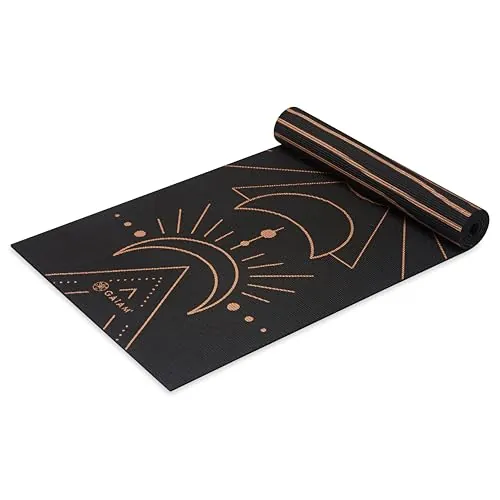
#1 Overall Winner
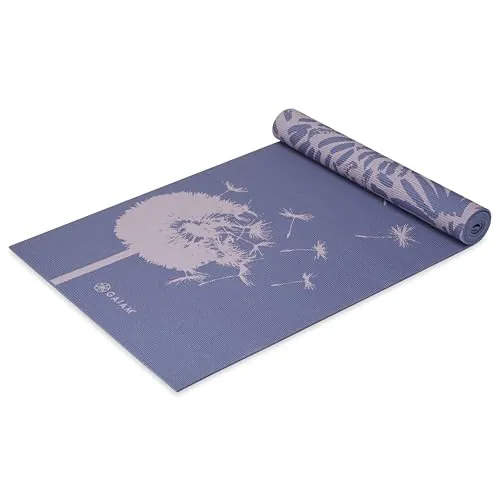
Gaiam Yoga Mat - Premium Print Reversible Extra Thick Non Slip Exercise & Fitness Mat for All Types of Yoga, Pilates & Floor Workouts
- Reversible printed design provides two usable looks in one mat.
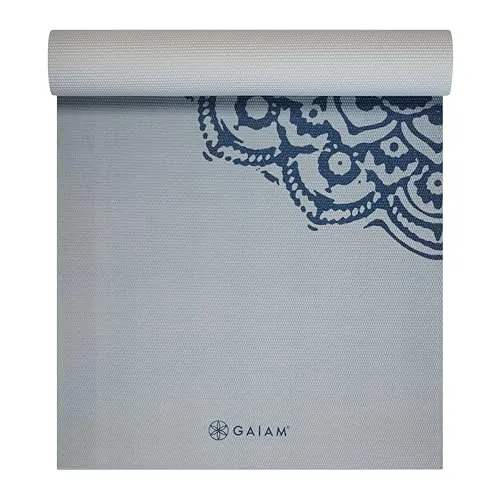
Comparison
These two Gaiam 6 mm PVC mats are closely matched for yoga, Pilates, stretching, and floor workouts. Both offer cushioning and printed styling, but the Premium 6mm Print Mat costs less and has stronger evidence for durability, portability, and overall everyday usability. The Reversible Mat stands out for its two-sided design, included online video library, and stated lifetime guarantee.
#1 Overall Winner
Contender
Choose the Premium 6mm Print Mat for the lower price, practical care guidance, and stronger evidence for everyday durability and portability. Choose the Premium Print Reversible Mat if its two-sided design, online video library, and stated lifetime guarantee matter more to you. Both suit yoga, Pilates, stretching, and cushioned floor work.
Overall winner
Depends on your needs
| Feature | Gaiam Yoga Mat - Premium Print Reversible Extra Thick Non Slip Exercise & Fitness Mat for All Types of Yoga, Pilates & Floor Workouts | Gaiam Yoga Mat - Premium 6mm Print Extra Thick Non Slip Exercise & Fitness Mat for All Types of Yoga, Pilates & Floor Workouts (68"L x 24"W x 6mm Thick) | Winner |
|---|---|---|---|
| Listed price | $27.99 | $18.26 | Gaiam Yoga Mat - Premium 6mm Print Extra Thick Non Slip Exercise & Fitness Mat for All Types of Yoga, Pilates & Floor Workouts (68"L x 24"W x 6mm Thick) |
| Dimensions | 68 in x 24 in x 6 mm | 68 in x 24 in x 6 mm | Tie |
| Material | Polyvinyl chloride | Polyvinyl chloride | Tie |
| Design format | Reversible printed design | Printed design | Gaiam Yoga Mat - Premium Print Reversible Extra Thick Non Slip Exercise & Fitness Mat for All Types of Yoga, Pilates & Floor Workouts |
| Weight | 1.36 kg | 1.39 kg | Gaiam Yoga Mat - Premium Print Reversible Extra Thick Non Slip Exercise & Fitness Mat for All Types of Yoga, Pilates & Floor Workouts |
| Cushioning | 6 mm premium cushioning | 6 mm extra-thick cushioning | Tie |
| Grip | Textured surface; mixed review feedback | Textured sticky surface; mixed sweat-grip feedback | Gaiam Yoga Mat - Premium 6mm Print Extra Thick Non Slip Exercise & Fitness Mat for All Types of Yoga, Pilates & Floor Workouts (68"L x 24"W x 6mm Thick) |
| Durability | Mixed durability feedback | Generally stronger durability feedback | Gaiam Yoga Mat - Premium 6mm Print Extra Thick Non Slip Exercise & Fitness Mat for All Types of Yoga, Pilates & Floor Workouts (68"L x 24"W x 6mm Thick) |
| Portability | Rollable; 1.36 kg | Rollable; 1.39 kg; frequently praised as lightweight | Gaiam Yoga Mat - Premium 6mm Print Extra Thick Non Slip Exercise & Fitness Mat for All Types of Yoga, Pilates & Floor Workouts (68"L x 24"W x 6mm Thick) |
| Included training content | Online video library | Downloadable yoga workout | Depends |
| Warranty information | Lifetime guarantee stated | Not provided | Gaiam Yoga Mat - Premium Print Reversible Extra Thick Non Slip Exercise & Fitness Mat for All Types of Yoga, Pilates & Floor Workouts |
| Care guidance | Air out for 2–3 days | Air out, spot clean, dry flat, avoid extended sun, store in bag | Gaiam Yoga Mat - Premium 6mm Print Extra Thick Non Slip Exercise & Fitness Mat for All Types of Yoga, Pilates & Floor Workouts (68"L x 24"W x 6mm Thick) |
| Buyer feedback | 4.7/5 from 15,454 reviews | 4.7/5 from 22,062 reviews | Tie |
| Overall use | Yoga, Pilates, floor workouts | Yoga, Pilates, floor workouts | Gaiam Yoga Mat - Premium 6mm Print Extra Thick Non Slip Exercise & Fitness Mat for All Types of Yoga, Pilates & Floor Workouts (68"L x 24"W x 6mm Thick) |
As recovery accessories, both mats are best viewed as supportive surfaces for gentle mobility, stretching, and relaxation rather than as products with proven recovery effects. The extra cushioning can make post-workout floor positions more comfortable, particularly on hard surfaces. Product B is the slightly more practical pick due to its stronger comfort and portability profile, making it easier to use regularly. Product A also offers high cushioning comfort and can be a good option for home stretching routines. Neither mat replaces individualized guidance for pain or injury concerns.
Both mats serve the same broad training role: creating a cushioned, defined surface for yoga, Pilates, stretching, core work, glute work, and other bodyweight floor sessions. Their 6 mm thickness is frequently praised for making hard floors more comfortable without being described as excessively soft for balance work. Product B has the slight advantage for general routine use because reviews more consistently highlight rolling, carrying, storage, and stable everyday performance. Product A is just as relevant for home or studio practice, especially for users who value reversible styling and the included video library.
Neither product is a load-training tool, but both can support bodyweight strength work performed on the floor, including planks, core training, glute work, and mobility-focused warm-ups. Their 6 mm cushioning can make kneeling and supine exercises more comfortable on hard surfaces. Product B has a small practical advantage from stronger stability and durability evidence. For sweat-heavy planks or dynamic movements, however, neither mat has uniformly positive grip feedback, so users should assess traction in their own training environment.
Mobility and flexibility work are where these mats fit best. Both provide the same stated 6 mm thickness and 68 by 24 inch practice area for stretching, yoga poses, Pilates, and cool-down routines. Reviews repeatedly mention cushioning for knees, wrists, backs, and joints during floor work. Product B takes a narrow lead because its comfort, portability, and overall usability evidence is slightly stronger. Product A remains appealing for home mobility routines when the reversible design and included video library are useful.
Both mats can be useful as a comfortable surface for gentle stretching, relaxation, and post-workout mobility routines. The supplied information does not establish that either product improves recovery outcomes, but the 6 mm padding may make floor-based stretching more tolerable on hard surfaces. Product B has a modest advantage because users more consistently describe it as supportive and easy to bring out for regular home sessions. Product A offers similarly strong cushioning and may suit users who prefer its reversible format.
For their intended purpose, both Gaiam mats appear to perform well in low-impact yoga, Pilates, stretching, and floor exercise. The shared 6 mm build is widely associated in buyer feedback with useful cushioning while retaining enough firmness for many balance-based poses. Product B has the better overall performance case because its reviews more often support dependable stability, rolling, and ongoing use. Product A performs strongly too, particularly for comfort and standard dry-condition practice. The key limitation for both is that non-slip performance is not consistent across all users, especially when sweat builds up.
Product B is the stronger option for supporting a consistent workout routine. Its lower listed price, roll-up practicality, downloadable beginner workout, and more favorable portability evidence reduce friction for home sessions or class use. Product A supports the same styles of training and includes an online library of helpful videos, which may be more useful for people who prefer a broader content resource. Neither mat offers adjustability, but the shared 6 mm cushioning supports frequent yoga, Pilates, stretching, and bodyweight floor work. Choose product A for feature preference; choose product B for straightforward everyday use.
For mat-based strength work, product B has a small edge because the available information points to better stability, durability, and general usability. Both mats provide the same 6 mm cushion for knees and hands during planks, abdominal work, glute exercises, and mobility drills. They are not substitutes for equipment designed to handle loaded lifting, and their grip can be less reliable when users sweat heavily. Product A remains suitable for lighter floor sessions, with the same dimensions and cushioning plus a reversible surface.
Both products are particularly well suited to mobility, flexibility, yoga, and Pilates routines. Their shared 6 mm padding is a useful middle ground for floor comfort, and reviews for each frequently mention support during kneeling and stretching positions. Product B has a narrow advantage because its user feedback more consistently supports stability, lightweight handling, and regular use. Product A is equally relevant for controlled home practice and may appeal more to people who want a reversible visual design or access to a video library.
As recovery accessories, both mats are best viewed as supportive surfaces for gentle mobility, stretching, and relaxation rather than as products with proven recovery effects. The extra cushioning can make post-workout floor positions more comfortable, particularly on hard surfaces. Product B is the slightly more practical pick due to its stronger comfort and portability profile, making it easier to use regularly. Product A also offers high cushioning comfort and can be a good option for home stretching routines. Neither mat replaces individualized guidance for pain or injury concerns.
Both products provide a cushioned surface intended to support yoga, Pilates, and floor workouts, and both are described as free of six named phthalates. However, the non-slip description should be interpreted carefully: buyer feedback for each mat includes reports of slipping, particularly when hands or the mat become sweaty. Users should place either mat on a suitable, dry floor and stop or modify movements if traction is inadequate. Product B has the slight safety advantage because its stability and grip evidence is somewhat stronger, but neither product eliminates normal exercise risks.
Comfort is excellent for both mats, with repeated review feedback highlighting 6 mm cushioning for knees, wrists, backs, and other pressure points during floor work. Product B has a very small advantage because buyer feedback is especially consistent about supportive padding without making balance work overly difficult. Product A is also a strong comfort choice and is widely praised for soft, protective cushioning. Users wanting a highly padded surface should still remember that these are standard 6 mm mats, not dedicated extra-thick rehabilitation or camping mats.
Product B is easier to use overall. Reviews frequently describe it as lightweight, easy to roll, simple to move around a home, and practical for classes. Its listing also includes more specific cleaning and storage directions. Product A is straightforward to unroll, use, and store, and its online video library may add value for users who want guided content. Both require initial airing before use if odor is noticeable. Neither product includes adjustable settings or complex assembly.
Both 6 mm mats are intended to balance cushioning with a stable base for yoga and floor exercise. Product B has a slight advantage because reviews more often describe it as staying put on the floor and remaining firm enough for balance work. Product A is also designed with a textured surface and receives positive stability feedback, but its traction reports are more varied. For either mat, stability may depend on the floor surface, movement type, and whether the practice becomes sweaty.
Product B holds a narrow edge in general grip feedback, but this is not a decisive difference. Both mats use textured, sticky surfaces and many buyers say they provide good traction in ordinary practice. Conversely, users of both products report slipping under sweaty hands or feet. Product B has specific reviews noting that hands may slide in sweat-heavy planks, while product A also has mixed traction feedback. Neither is clearly the better specialist mat for hot or very sweaty yoga.
Both mats are efficient for home use because they share a compact 68 by 24 inch footprint and can be rolled up after a session. Product B has a narrow edge due to stronger feedback on lightweight handling, storage, and transport. Product A is also space-conscious and only marginally lighter by listed weight, but product B has the more convincing practical evidence for moving it between rooms or taking it to a class. Neither mat is foldable or includes a storage bag in the supplied details.
Both mats are effectively silent training accessories. They can reduce direct contact with hard flooring during yoga, Pilates, stretching, and controlled bodyweight movements, though no specific sound-reduction claim is supplied. There is no meaningful difference between them for noise.
Product B has the stronger build-quality case in the available comparison data. Reviews commonly describe it as sturdy, supportive, and able to remain in good condition through regular use, though individual experiences vary. Product A is also generally viewed as well made, with buyers praising its dense cushioning, attractive finish, and textured surface. Both are PVC mats rather than premium natural-rubber or specialized hot-yoga mats, and both have isolated reports of wear or traction concerns. Product B is the safer choice where longer-term everyday construction is the priority.
Product B is the better option for expected durability based on the supplied evidence. Several buyers describe it as holding up well over extended regular use, while its care instructions also identify practical steps that may help protect the material, including avoiding prolonged sun exposure. Product A has positive reports of resilience but more mixed durability feedback overall, including reports that it may not hold up as well for every user. Neither mat should be treated as immune to wear, especially in high-friction practice or unsuitable storage conditions.
Product B has the clearer maintenance advantage because its listing provides a full care routine: air it out initially, spot clean with a damp cloth and mild detergent, dry it flat, avoid prolonged sun exposure, and store it in a mat bag. Product A provides initial odor guidance but fewer ongoing care details. Both may need airing out for two to three days after opening. Proper cleaning and storage are particularly important for preserving surface condition and managing odor over time.
Product B is the better portable mat despite being listed as slightly heavier. Reviews repeatedly call it lightweight, easy to roll, and convenient for carrying around the house or to classes. Product A is also rollable and weighs 1.36 kg, so it remains portable for typical use. The difference is mainly in the supporting buyer evidence rather than a major size or weight gap. Neither product is supplied with a carry sling in the provided product information.
Material information is clear and closely matched. Both mats are specified as polyvinyl chloride and described as free of DEHP, DBP, BBP, DINP, DIDP, and DNOP. Product B has the advantage in care transparency because its listing explains spot cleaning, drying flat, avoiding extended sun exposure, and storing the mat in a bag. Product A provides the key material disclosure and initial airing guidance, but less detailed ongoing care information. Neither listing provides further material certification details beyond the stated phthalate information.
Product B provides better value for most shoppers. It has the lower listed price while matching product A on stated dimensions, thickness, PVC material, phthalate disclosure, and core use for yoga, Pilates, and floor workouts. Its stronger evidence for durability, portability, and routine usability further supports that conclusion. Product A is still fairly priced for buyers who will use its reversible construction and online video library, and the stated lifetime guarantee may be important to some shoppers. The right value choice depends on whether those product-A extras outweigh the price difference.
This is effectively a tie because both products are Gaiam mats with the same listed brand and very similar product positioning. Each has extensive buyer feedback and the same stated star rating. Product A adds a stated lifetime guarantee, which may increase confidence for some buyers. Product B provides more comprehensive care guidance and has a larger supplied review count. Neither listing provides third-party testing information beyond the material and phthalate-related statements, so brand trust should not be based on unsupported assumptions.
Customer satisfaction is strong for both products. Each has a listed 4.7 out of 5 rating, and reviews frequently praise attractive designs, comfortable cushioning, and good value. Product B has more supplied reviews and more consistent positive feedback around ease of carrying, stability, and ongoing condition. Product A also has a highly positive response, especially for its reversible appearance and comfort, but its durability and grip feedback are somewhat more mixed. For both mats, recurring complaints concern initial odor and reduced traction during sweaty use.
Product A has the advantage because its details specify a lifetime guarantee. No warranty, return, replacement, or support information is supplied for product B, so a direct comparison of coverage is not possible. Buyers considering product B should verify current seller and manufacturer support terms before purchasing.
The core claims are reasonably supported by the supplied specifications and buyer feedback: both mats are listed as 68 by 24 inches, 6 mm thick, PVC, textured, and intended for yoga, Pilates, and floor workouts. Customer reports broadly support cushioning and general comfort, but they do not establish that the mats will provide identical traction for every person or practice condition. In fact, mixed sweat-grip reviews qualify the non-slip positioning. Product A's reversible design and lifetime guarantee are listing details; product B's care guidance and downloadable workout are likewise product-listing information.
The Gaiam Premium 6mm Print Yoga Mat is the overall winner for most buyers. It matches product A on the essentials—6 mm cushioning, dimensions, PVC construction, and suitability for yoga, Pilates, and floor workouts—while costing less and showing stronger evidence for durability, stability, portability, and ease of use. Its main limitation is still mixed grip feedback in sweat-heavy sessions, along with possible initial odor.
The Gaiam Premium Print Reversible Mat remains a worthwhile alternative. Its main strengths are the two-sided design, online video library, comfort, and stated lifetime guarantee. Its limitation is more mixed feedback around grip and durability. Choose based on whether those extras are worth the higher listed price.
Overall winner
Depends on your needs
The Premium 6mm Print Mat is the stronger all-round choice based on its lower listed price, stronger durability and portability evidence, and extensive positive buyer feedback. The Reversible Mat remains a good option for shoppers who specifically value two printed sides, the online video library, and its stated lifetime guarantee.
Yes. Both product listings describe a 68 by 24 inch, 6 mm PVC mat for yoga, Pilates, and floor workouts. Their cushioning is commonly praised in reviews for kneeling and floor-based movements, although users who sweat heavily should note that grip feedback is mixed for both mats.
The Premium 6mm Print Mat has a small advantage for beginners because it includes a downloadable yoga workout and is described as lightweight and easy to roll up. Both mats offer the same stated dimensions and thickness, so either can provide a cushioned base for introductory yoga, Pilates, stretching, and bodyweight work.
The Premium 6mm Print Mat is the better fit for small spaces by a narrow margin. Both mats roll up and share the same footprint when laid flat, but product B has stronger evidence for simple storage and carrying. Neither product is foldable according to the supplied information.
Both listings state that printed mats may release a strong but harmless odor when first unwrapped and recommend airing the mat out for two to three days. Reviews confirm that some buyers notice an unpleasant smell, while others report little or no odor. Product B also provides more detailed cleaning and storage instructions.
Neither mat is a clear choice for sweat-heavy yoga. Both are described as textured and non-slip, and many buyers report good traction. However, reviews for both products also mention slipping when hands or the surface become sweaty. A towel may be a practical addition for users who regularly perspire heavily.
Yes. Both mats are listed as polyvinyl chloride and described as free of DEHP, DBP, BBP, DINP, DIDP, and DNOP. Product B provides more detailed care guidance, including spot cleaning, drying flat, avoiding extended sun exposure, and storing the mat in a mat bag.
Product B offers better value for most buyers because it costs less while retaining the same stated size, thickness, PVC material, and core yoga, Pilates, and floor-workout role. Product A can still justify its higher listed price for buyers who want the reversible format, online video library, and stated lifetime guarantee.
Check our rankings and expert guides to find the best fitness products for your goals.