TrainingRanker
Menu
Gaiam Reversible vs Premium 6mm Print Yoga Mat

Comparison

Gaiam Reversible vs Premium 6mm Print Yoga Mat

These Gaiam six-millimetre PVC mats are closely matched options for yoga, Pilates, stretching, and floor workouts. The Premium Print Reversible mat adds two printed sides and has a stronger value position, while the Premium 6mm Print mat has somewhat better support from the supplied data for durability, stability, portability, and everyday usability.

Expert tested Data driven Unbiased reviews Updated 2 August 2026
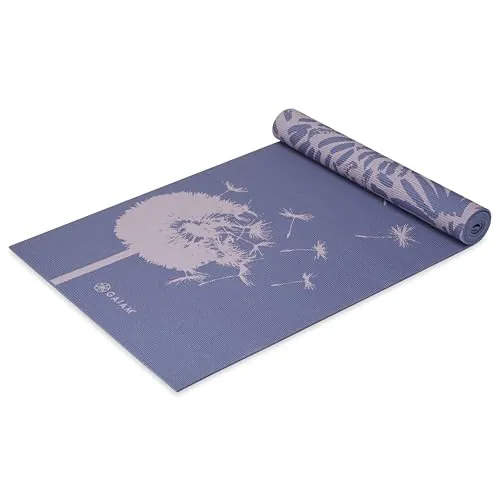
Gaiam Premium Print Reversible Extra Thick Yoga Mat

#1 Overall Winner

Gaiam Premium Print Reversible Extra Thick Yoga Mat

86/100
  • Reversible printed design provides two usable visual sides.
View review
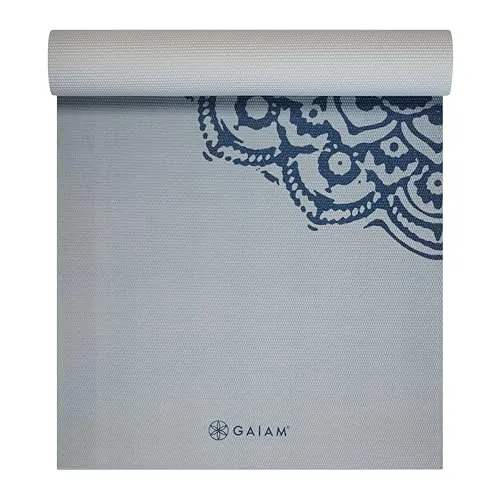
Gaiam Premium 6mm Print Extra Thick Yoga Mat

Contender

Gaiam Premium 6mm Print Extra Thick Yoga Mat

87/100
  • Six-millimetre cushioning offers support for knees, back, and other floor-contact positions.
View review

Quick verdict

Choose the Gaiam Premium 6mm Print mat for the stronger all-round case for regular yoga, Pilates, and home workouts, especially if portability and reported durability matter. Choose the Premium Print Reversible mat if two design options and value are your priorities. For either mat, sweaty practice may require additional traction management.

Overall winner

Depends on your needs

At-a-glance comparison

Feature Gaiam Premium Print Reversible Extra Thick Yoga Mat Gaiam Premium 6mm Print Extra Thick Yoga Mat Winner
Primary use

Yoga, Pilates, and floor workouts

Yoga, Pilates, and floor workouts

Tie
Dimensions

68 by 24 inches; 6mm

68 by 24 inches; 6mm

Tie
Design

Reversible printed design

Single printed design

Gaiam Premium Print Reversible Extra Thick Yoga Mat
Material disclosure

PVC; six named phthalates excluded

PVC; six named phthalates excluded

Tie
Cushioning and comfort

Strong cushioning feedback

Slightly stronger cushioning feedback

Gaiam Premium 6mm Print Extra Thick Yoga Mat
Grip

Mixed traction feedback

Mixed feedback; modestly stronger overall

Gaiam Premium 6mm Print Extra Thick Yoga Mat
Durability

Mixed long-term feedback

More consistently positive wear feedback

Gaiam Premium 6mm Print Extra Thick Yoga Mat
Stability

Generally stable, with mixed grip reports

Stronger reported floor stability

Gaiam Premium 6mm Print Extra Thick Yoga Mat
Portability

Lightweight and rollable

Lightweight and more portable overall

Gaiam Premium 6mm Print Extra Thick Yoga Mat
Storage efficiency

Rollable compact format

Rollable compact format

Tie
Listed price

$20.90

$18.26

Gaiam Premium 6mm Print Extra Thick Yoga Mat
Overall value

Stronger value position

Strong value with better durability evidence

Gaiam Premium Print Reversible Extra Thick Yoga Mat
Buyer feedback base

15,454 reviews; 4.7/5 displayed

22,062 reviews; 4.7/5 displayed

Gaiam Premium 6mm Print Extra Thick Yoga Mat
Initial odor

Possible; airing advised

Possible; airing advised

Tie

Detailed comparison

Recovery Support

Item 1 is the better choice for gentle recovery-oriented floor work, based on its stronger supplied recovery-support position and well-regarded cushioning. It may be especially useful for relaxed stretching, mobility drills, and low-intensity post-workout sessions on hard floors. Item 2 remains a capable option for the same routines and has stronger overall durability evidence. Neither product has evidence of medical or therapeutic effects; their role is simply to provide a more comfortable exercise surface.

Training Use

Both mats cover the same broad training role: they create a cushioned, defined surface for yoga, Pilates, mobility work, and bodyweight floor sessions. Their six-millimetre thickness is particularly relevant for kneeling, seated, supine, and stretching positions rather than high-impact exercise. Item 2 is the better general training choice because it has stronger evidence for stable, durable, portable everyday use. Item 1 remains highly practical for the same routine types and may appeal more to a home user who wants reversible styling and a value-led purchase.

Strength Training

Neither product is a resistance-training tool, but both can support bodyweight strength work performed on the floor, such as planks, core training, glute exercises, and mobility-based warm-ups. The cushioning can make kneeling and floor-contact positions more comfortable, although neither mat replaces stable footwear or a purpose-built lifting platform for loaded strength work. Item 2 has the slight edge for this role because its stability and durability evidence is stronger. For sweaty planks, both have mixed hand-grip feedback.

Cardio Training

These mats are not cardio machines and are not primarily designed for high-impact conditioning. They can be useful as a surface for low-impact movement, warm-ups, cool-downs, and floor-based conditioning, but the listings do not provide evidence for running, jumping, or intense impact training. Item 2 has a small advantage in the supplied cardio-related comparison data, largely reflecting its everyday usability, but neither product should be selected specifically as a dedicated cardio-training surface.

Mobility & Flexibility

This is where both mats fit best. The stated six-millimetre thickness and buyer feedback on knee and joint cushioning make them appropriate for yoga poses, Pilates, stretching, warm-ups, and cool-downs on harder floors. Both are equally strong for mobility and flexibility use in the supplied data. Choose Item 1 if reversible appearance and value matter most; choose Item 2 if you prefer the stronger evidence for stable, long-term everyday handling. Users who sweat heavily should note the mixed grip reports for both.

Recovery

Both mats can support non-medical recovery routines such as gentle stretching, relaxed floor mobility, and post-workout cool-downs. Item 1 has the better recovery-support position in the supplied data, supported by its strong cushioning profile and reviews mentioning comfort for knees and wrists. Item 2 is also comfortable for these uses, but its practical advantage is more about portability and regular-use durability. Neither listing supports claims that the mat itself speeds recovery or treats soreness.

Performance

For their intended purpose, both Gaiam mats appear to perform well as cushioned surfaces for yoga, Pilates, stretching, and floor exercise. Buyers frequently praise the thickness, printed appearance, and ability to roll the mats for storage or transport. Item 2 has a modest performance advantage, with stronger supplied evidence for stable use and durability. The main performance caveat applies to both: “non-slip” performance is not universal in customer feedback. Some users report good traction, while others find hands can slide once sweat builds up during demanding poses or planks.

Training Support

Both products lower the practical barrier to home movement routines because they are rollable, relatively lightweight, and suitable for several low-impact workout formats. The included downloadable yoga class may be useful to beginners getting started. Item 2 is slightly better positioned for consistent training because it is more frequently described as easy to carry, roll out, and use regularly, with stronger durability support. Item 1 is equally relevant for beginner yoga, Pilates, and core sessions, especially for users who want cushioning and a lower-cost, reversible mat.

Strength Training Analysis

For floor-based strength movements, cushioning, floor grip, and stable positioning matter more than the printed design. Item 2 has the slight advantage because its supplied data is stronger for stability, grip, and durability, which are useful for repeated planks, push-up variations, and core work. Item 1 still provides a supportive surface for these exercises and is praised for comfort. Neither mat is intended to secure heavy weights, protect floors from dropped equipment, or substitute for a lifting platform.

Cardio Training Analysis

Neither mat is designed to be the centrepiece of a cardio programme. They can serve as a comfortable base for low-impact circuits, floor intervals, mobility between bouts, and cool-down work. Item 2 has a narrow edge in the supplied cardio-related data, but this should not be read as evidence that it is suitable for high-impact jumping or running. For either model, use depends on the movement type, flooring, shoes, and the amount of sweat generated during the session.

Mobility & Flexibility Analysis

Both Gaiam mats are very well suited to mobility and flexibility routines. Their stated six-millimetre thickness can reduce direct contact with hard flooring during kneeling stretches, seated work, and yoga transitions while remaining thin enough for balance-focused poses. The supplied data does not establish a meaningful mobility winner. Item 1 may be preferred for the reversible design and value; Item 2 may suit users who prioritise dependable rolling, carrying, and regular setup.

Recovery Support

Item 1 is the better choice for gentle recovery-oriented floor work, based on its stronger supplied recovery-support position and well-regarded cushioning. It may be especially useful for relaxed stretching, mobility drills, and low-intensity post-workout sessions on hard floors. Item 2 remains a capable option for the same routines and has stronger overall durability evidence. Neither product has evidence of medical or therapeutic effects; their role is simply to provide a more comfortable exercise surface.

Gaiam Premium Print Reversible Extra Thick Yoga Mat

Pros

  • Reversible printed design provides two usable visual sides.
  • Six-millimetre cushioning is well suited to yoga, Pilates, and floor work.
  • Textured surface is intended to provide traction for poses and exercises.
  • Lightweight, rollable format is practical for home or studio sessions.
  • PVC material is disclosed as free of DEHP, DBP, BBP, DINP, DIDP, and DNOP.
  • Strong buyer feedback highlights comfort, appearance, and price.

Cons

  • Some buyers report that traction is inconsistent, particularly when the mat or hands are sweaty.
  • Durability feedback is mixed, so long-term wear may vary by frequency and conditions of use.
  • The manufacturer notes a strong but harmless odor may be present after unboxing.
  • Requires careful storage away from prolonged sun exposure to help avoid fading and brittleness.
Gaiam Premium Print Reversible Extra Thick Yoga Mat

Gaiam Premium 6mm Print Extra Thick Yoga Mat

Pros

  • Six-millimetre cushioning offers support for knees, back, and other floor-contact positions.
  • Large review base with consistently positive feedback on comfort and everyday usability.
  • Reported to be lightweight, easy to roll, and convenient to carry.
  • Textured sticky surface supports yoga, Pilates, stretching, and floor workouts.
  • Reviews more consistently describe durable, stable day-to-day use.
  • PVC material and the six excluded phthalates are clearly disclosed.

Cons

  • Some reviewers find the hand area slippery during sweatier yoga or barre sessions.
  • The manufacturer notes that a strong but harmless odor can occur when first unwrapped.
  • A thicker rolled mat may develop a raised edge after extended storage or heat exposure.
  • It is a single-print design rather than a reversible two-design mat.
Gaiam Premium 6mm Print Extra Thick Yoga Mat

Final verdict

The Gaiam Premium 6mm Print Extra Thick Yoga Mat is the better overall purchase by a small margin. It offers the same stated size, six-millimetre cushioning, PVC construction, and yoga/Pilates focus as the reversible version, but with stronger supplied evidence for stable use, portability, build quality, and durability. Its main limitation is that sweat can still reduce hand traction, and some users notice an initial odor.

The Premium Print Reversible mat remains an excellent alternative rather than a compromise. Its standout strength is the two-sided printed design, backed by strong comfort and value feedback. Its main limitation is more variable feedback on grip and wear. Pick Item 2 for the more dependable all-rounder; pick Item 1 for reversible styling and value.

Overall winner

Depends on your needs

Frequently asked questions

Which is better, the Gaiam Premium Print Reversible mat or the Gaiam Premium 6mm Print mat?

The Premium 6mm Print mat is the slightly stronger all-round choice based on the supplied data, especially for reported durability, stability, portability, and ease of use. The Reversible mat remains a compelling option for shoppers who want two printed sides, strong cushioning, and the lower listed price. Both are closely matched for yoga, Pilates, and floor work.

Are these Gaiam mats suitable for yoga and Pilates?

Yes. Both listings specifically position the mats for yoga, Pilates, and floor workouts. Their stated six-millimetre thickness is intended to add cushioning, while the textured surfaces are designed to support traction. Reviews also mention stretching, barre, abdominal work, glute exercises, and regular home sessions.

Which mat is better for sweaty yoga sessions?

Neither mat has unequivocal sweat-grip feedback. Both listings describe sticky, textured surfaces, and many buyers report satisfactory traction. However, reviews for each model also mention slipping when hands become very sweaty. For hot or high-sweat practice, consider that a towel may be useful; one Item 2 reviewer specifically reported using one for plank work.

Which Gaiam mat is better for joint cushioning?

Both mats are listed at six millimetres thick and receive strong feedback for cushioning during kneeling, stretching, Pilates, and floor exercises. Item 2 has a narrow comfort advantage in the supplied comparison data, while Item 1 has stronger recovery-oriented support. In practical terms, either is a reasonable choice when moderate cushioning is the priority.

Do these mats have an odor when first opened?

Both product listings state that printed mats may have a strong but harmless odor after unboxing. The care guidance recommends unrolling and airing the mat for two to three days before use. Buyer feedback is mixed: some users noticed an unpleasant smell, while others reported little or no odor. This is a practical consideration before using either mat in a small enclosed space.

Which mat is easier to carry to class?

Both are designed to roll up and are described as lightweight. Item 2 has the clearer advantage for portability in the supplied comparison data, and several reviews specifically praise its ease of rolling, moving around the home, and carrying to class. Item 1 is also portable, although its listed weight is slightly higher than Item 2's stated weight.

Which yoga mat offers better value?

Item 1 has the lower listed price and the stronger value position in the supplied data. It also adds a reversible design, which may matter to buyers who want two visual options. Item 2 costs slightly more but has stronger reported durability and usability. The better value depends on whether lower upfront cost or stronger long-term-use evidence matters more.

How should these Gaiam PVC yoga mats be cleaned and stored?

For both mats, the stated care instructions are to spot clean with yoga mat wash or a damp cloth, cold water, and mild detergent, then dry flat. The manufacturer advises avoiding prolonged sun exposure, which may cause fading and brittleness, and recommends storage in a mat bag when not in use.

Related comparisons

Still not sure which one to choose?

Check our rankings and expert guides to find the best fitness products for your goals.

View all rankings