TrainingRanker
Menu
Gaiam Premium 6mm Yoga Mat vs MSPORTS Thick Yoga Mat

Comparison

Gaiam Premium 6mm Yoga Mat vs MSPORTS Thick Yoga Mat

The Gaiam Premium 6mm Yoga Mat and MSPORTS Thick Yoga Mat both support yoga, Pilates, stretching, and home floor workouts. Gaiam is lighter, more compact, and less expensive, while MSPORTS delivers a much larger, softer, and more deeply cushioned surface. Choose based on whether you value balance and portability or maximum comfort and workout space.

Expert tested Data driven Unbiased reviews Updated 2 August 2026
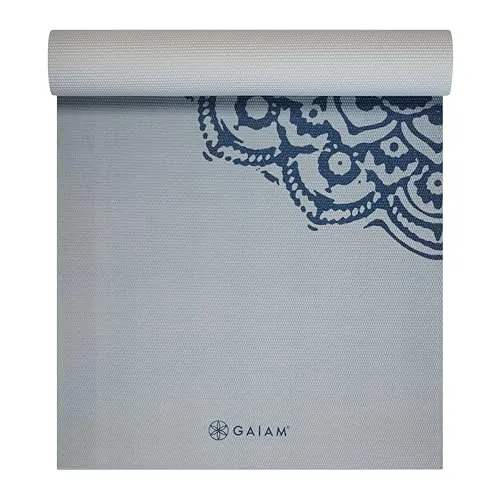
Gaiam Yoga Mat - Premium 6mm Print Extra Thick Non Slip Exercise & Fitness Mat

#1 Overall Winner

Gaiam Yoga Mat - Premium 6mm Print Extra Thick Non Slip Exercise & Fitness Mat

87/100
  • Six-millimetre cushioning provides a firmer balance of floor protection and pose control.
View review
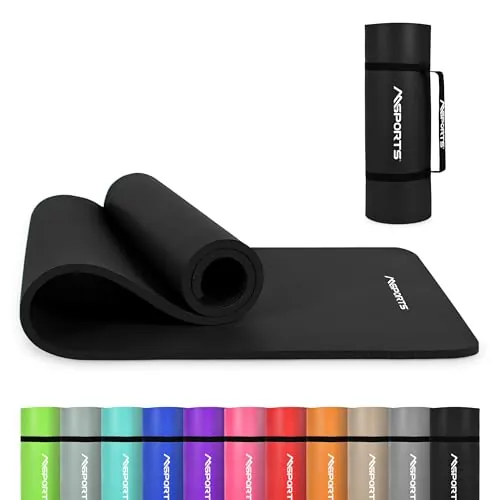
MSPORTS Yoga Mat Premium Non Slip Thick

Contender

MSPORTS Yoga Mat Premium Non Slip Thick

84/100
  • 0.6-inch NBR foam offers substantially more cushioning for knees, elbows, and floor-based movement.
View review

Quick verdict

Pick Gaiam for a lightweight, lower-cost mat with moderate cushioning and better small-space practicality. Pick MSPORTS if your main need is a wide, deeply padded surface for Pilates, stretching, and floor workouts. For balance-heavy yoga, Gaiam’s less-soft profile is likely the safer fit; for kneeling comfort, MSPORTS leads.

Overall winner

Depends on your needs

At-a-glance comparison

Feature Gaiam Yoga Mat - Premium 6mm Print Extra Thick Non Slip Exercise & Fitness Mat MSPORTS Yoga Mat Premium Non Slip Thick Winner
Primary use Yoga, Pilates, and floor workouts Yoga, Pilates, stretching, and home workouts Depends
Material PVC, free of six specified phthalates Nitrile Butadiene Rubber foam Depends
Thickness 6 mm 0.6 inch MSPORTS Yoga Mat Premium Non Slip Thick
Listed size 68 by 24 inches 74.5 by 32 inches MSPORTS Yoga Mat Premium Non Slip Thick
Weight 1.39 kg 1.5 kg Gaiam Yoga Mat - Premium 6mm Print Extra Thick Non Slip Exercise & Fitness Mat
Grip feedback Generally positive, with sweaty-hand slip reports Generally positive non-slip feedback MSPORTS Yoga Mat Premium Non Slip Thick
Comfort Moderate, supportive cushioning Deep, soft cushioning MSPORTS Yoga Mat Premium Non Slip Thick
Portability Lightweight and compact; no strap stated Includes strap but is thicker and larger Gaiam Yoga Mat - Premium 6mm Print Extra Thick Non Slip Exercise & Fitness Mat
Durability feedback Mostly positive long-term reports Mixed; some reports of tearing Gaiam Yoga Mat - Premium 6mm Print Extra Thick Non Slip Exercise & Fitness Mat
Initial odor Airing out is specifically recommended Reviews often report no strong odor MSPORTS Yoga Mat Premium Non Slip Thick
Listed price $18.26 $39.99 Gaiam Yoga Mat - Premium 6mm Print Extra Thick Non Slip Exercise & Fitness Mat
Included extras Downloadable yoga workout Carrying strap and yoga e-book MSPORTS Yoga Mat Premium Non Slip Thick

Detailed comparison

Recovery Support

MSPORTS is better aligned with comfort-focused recovery sessions because its deep foam reduces the hard-floor feel during gentle stretching and mobility work. Gaiam also has enough cushioning for a practical cool-down or yoga routine, while its lighter build makes it easier to keep accessible in smaller homes. The difference is not about medical outcomes: it is about physical comfort during floor contact. Buyers who routinely experience discomfort from hard surfaces during stretches are more likely to appreciate the MSPORTS format.

Training Use

Both mats are versatile foundations for low-impact home training, including yoga, Pilates, mobility work, core exercises, and bodyweight floor sessions. Gaiam offers a more conventional yoga-mat format: enough cushion for hard floors while remaining relatively firm, light, and compact. MSPORTS is more like a comfort-first exercise pad, with extra room and substantially deeper foam for sessions involving knees, elbows, back contact, or prolonged stretching. For a mixed routine that includes standing poses and occasional floor work, Gaiam is the more balanced tool. For mostly floor-based exercise, MSPORTS is more accommodating.

Strength Training

Neither mat is a replacement for stable flooring under heavy free weights, but both can support bodyweight strength work, core training, and kneeling movements. MSPORTS has the advantage for floor-based strength exercises because its thicker foam better cushions knees and elbows. Its softness may, however, create a less planted feeling in standing squats or balance work. Gaiam’s firmer 6 mm platform is more controlled for planks, lunges, and yoga-based strength work, but it provides less impact separation from hard flooring.

Cardio Training

Neither product is primarily a cardio-training mat. They can work for warm-ups, cool-downs, and low-impact bodyweight intervals, but the supplied information does not establish suitability for high-impact jumping. Gaiam’s lighter, firmer format may be easier to reposition during mixed home workouts. MSPORTS offers more comfortable floor contact between intervals but its soft foam can be less suitable where a very firm, stable base is preferred. Choose based on the floor movements in the routine rather than expecting either mat to add cardio-specific features.

Mobility & Flexibility

Both products are excellent fits for mobility, flexibility, yoga, and Pilates, with cushioning being a central benefit. Gaiam is better for users who want support while retaining a firmer connection to the floor for controlled transitions and balance poses. MSPORTS is the stronger option for longer stretching sessions, restorative positions, and mobility drills that place pressure on knees, hips, elbows, or the back. Its larger surface also gives more room to extend limbs. The choice is principally between Gaiam’s balanced support and MSPORTS’s deeper softness.

Recovery

For gentle post-workout stretching and floor mobility, both mats create a more comfortable surface than bare flooring. MSPORTS has the edge for recovery-oriented routines because the thicker NBR foam is designed to reduce direct pressure during seated, kneeling, and supine positions. Gaiam remains useful for cool-down stretching and yoga flows while taking up less storage space. Neither mat should be treated as a medical or therapeutic product; their role is simply to provide a more comfortable and stable area for movement.

Performance

Each mat performs well within its intended role, but they emphasize different aspects of exercise comfort. Gaiam’s 6 mm PVC format is designed to combine cushioning with a stable surface for yoga, Pilates, and floor work. Review feedback broadly supports that balance, though sweaty-hand traction is not fully consistent. MSPORTS performs especially well where depth of padding and exercise area matter, and supplied buyers often describe it as secure and comfortable. Its key performance compromise is softness: some users may find the foam compresses more than desired for standing balance work. Neither has a clear advantage across every workout style.

Training Support

Gaiam is well positioned for maintaining a regular yoga or mixed home-exercise habit because it is lightweight, rolls up easily, and has a lower entry price. Its included downloadable yoga workout may also help new users begin. MSPORTS supports consistent floor training through its generous dimensions, high cushioning, carrying strap, and yoga e-book. For beginners concerned about discomfort on hard floors, MSPORTS can reduce a practical barrier to stretching and Pilates. For users who need a mat that is easy to put away after every session, Gaiam creates less storage friction.

Strength Training Analysis

For mat-based strength work, MSPORTS provides more protection during kneeling exercises, glute bridges, core work, and other movements with prolonged floor contact. Its 32-inch width also leaves more room to move. Gaiam is the better choice when a firmer surface is important for planks, controlled transitions, and standing bodyweight work. The soft compression noted in MSPORTS feedback may be welcome for comfort but less appealing for users who dislike any rocking or sinking under their feet. Neither listing supports use as protective flooring for heavy lifting.

Cardio Training Analysis

The supplied product information provides limited evidence for cardio-specific use. Both mats can support low-impact conditioning that includes floor movements, mobility intervals, and bodyweight exercises. Gaiam may be more convenient for mixed sessions because it is lighter and less bulky, while MSPORTS is more comfortable when the routine includes frequent kneeling or lying-down work. There is no provided evidence that either is optimized for high-impact exercise, so buyers should consider their flooring and the impact level of their chosen routine.

Mobility & Flexibility Analysis

Mobility and flexibility work are the clearest shared strengths. Gaiam’s moderate thickness supports yoga positions while helping users feel stable through balance and transition work. MSPORTS offers a more protective platform for longer holds, seated stretches, and exercises where joints contact the floor. Its longer and wider listed dimensions are useful for full-body stretching. Users who like a firm, grounded sensation should favor Gaiam; those who prioritize softness around pressure points should favor MSPORTS.

Recovery Support

MSPORTS is better aligned with comfort-focused recovery sessions because its deep foam reduces the hard-floor feel during gentle stretching and mobility work. Gaiam also has enough cushioning for a practical cool-down or yoga routine, while its lighter build makes it easier to keep accessible in smaller homes. The difference is not about medical outcomes: it is about physical comfort during floor contact. Buyers who routinely experience discomfort from hard surfaces during stretches are more likely to appreciate the MSPORTS format.

Gaiam Yoga Mat - Premium 6mm Print Extra Thick Non Slip Exercise & Fitness Mat

Pros

  • Six-millimetre cushioning provides a firmer balance of floor protection and pose control.
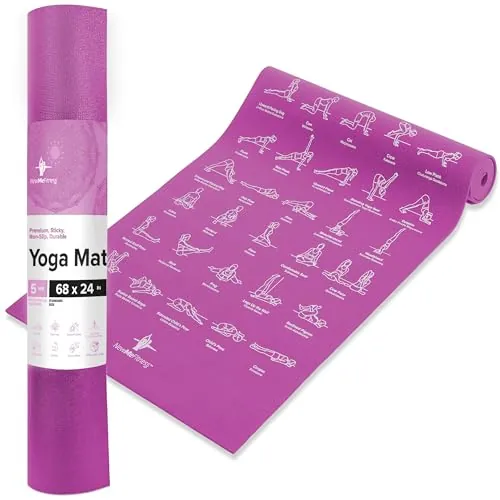
  • Textured sticky surface is designed for traction during yoga, Pilates, and floor exercise.
  • Lightweight 1.39 kg construction is easy to roll, carry, and store.
  • Large review base with consistently positive feedback on comfort, design, and everyday usability.
  • Material disclosure states that the PVC is free from six specified phthalates.
  • Lower listed price makes it accessible for a first mat or regular home use.

Cons

  • Some users report reduced hand traction once the mat becomes sweaty.
  • New printed mats can have a noticeable initial odor and need airing out for two to three days.
  • The 24-inch width is more compact than the MSPORTS mat.
  • It does not include a carrying strap in the provided product details.
  • Prolonged sun exposure may cause fading and brittleness according to the care guidance.
Gaiam Yoga Mat - Premium 6mm Print Extra Thick Non Slip Exercise & Fitness Mat

MSPORTS Yoga Mat Premium Non Slip Thick

Pros

  • 0.6-inch NBR foam offers substantially more cushioning for knees, elbows, and floor-based movement.
  • Longer and wider 74.5 by 32 inch format gives more room for stretching and home workouts.
  • Customer feedback frequently praises its soft feel, grip, and ability to stay in place.
  • Includes a carrying strap for transport and storage.
  • NBR material is clearly identified, and the stated hand-wash care is straightforward.
  • Well suited to comfort-led Pilates, stretching, and low-impact floor routines.

Cons

  • The soft, thick foam can feel less firm for balance-focused standing poses.
  • Its larger, thicker format is less compact when rolled for storage or travel.
  • Some customer feedback reports tearing, creating uncertainty around long-term durability.
  • It has a considerably higher listed price.
  • The provided material and care details do not confirm a specific odor-management process beyond customer reports.
MSPORTS Yoga Mat Premium Non Slip Thick

Final verdict

Gaiam is the better overall pick for most yoga and home-workout buyers because it is substantially less expensive, lighter, easier to store, and supported by a very large volume of favorable feedback. Its main strengths are balanced 6 mm cushioning, everyday portability, and clear PVC material disclosure. Its main limitations are possible initial odor and less reliable grip for some sweaty users.

MSPORTS wins on comfort and workout space. Its thick NBR foam and wider, longer layout make it highly appealing for Pilates, stretching, and joint-sensitive floor work. The drawbacks are its bulkier storage profile, higher price, soft standing feel, and mixed durability reports. Pick Gaiam for versatile yoga; pick MSPORTS for maximum padding.

Overall winner

Depends on your needs

Frequently asked questions

Which is better, the Gaiam Premium 6mm Yoga Mat or the MSPORTS Yoga Mat?

The better choice depends on the feel you need. Gaiam is the more compact, lower-priced option with moderate 6 mm cushioning and a firmer base for general yoga. MSPORTS is better suited to buyers who want substantially more padding and a larger exercise area, provided they can accommodate its bulkier roll.

Which mat is better for Pilates and floor workouts?

MSPORTS has the advantage for comfort-led Pilates and floor workouts because its 0.6-inch NBR foam is thicker and its listed 74.5 by 32 inch dimensions provide more movement room. Gaiam remains a practical alternative for users who prefer less compression under them and easier storage after a session.

Which yoga mat is easier to carry and store?

Gaiam is the more convenient choice for carrying and compact storage. It weighs 1.39 kg, measures 68 by 24 inches, and is described by reviewers as easy to roll and move. MSPORTS includes a strap, but its thicker and wider foam construction takes up more space when rolled.

Is either mat suitable for sweaty yoga sessions?

Both products are marketed with non-slip surfaces, but the supplied feedback is more mixed for Gaiam when hands become sweaty. Several reviewers still found it grippy, while others used a towel for sweaty planks. MSPORTS has more consistently positive supplied grip feedback, although individual surface conditions can still affect traction.

Which mat provides more cushioning for knees and joints?

MSPORTS provides more cushioning on the listed specifications: its 0.6-inch foam is much thicker than Gaiam’s 6 mm mat. That can be useful for kneeling, stretching, and floor work on hard surfaces. Gaiam still receives strong comfort feedback while offering a less soft, more controlled platform.

Which mat is better for balance-focused yoga?

Gaiam may be the more suitable option for balance-focused yoga because its 6 mm profile offers cushioning without the very soft compression noted in MSPORTS feedback. One MSPORTS reviewer specifically described the foam as squishy under standing movements. Traction can vary for Gaiam when hands are very sweaty.

Which yoga mat offers better value?

Gaiam is the stronger value choice for buyers who want a dependable, lightweight mat at the lower listed price. It has extensive positive review feedback and clear material-care guidance. MSPORTS costs more, but its larger dimensions, deeper cushioning, and included strap can justify that difference for comfort-first home users.

Do these mats need special care?

Gaiam should be spot cleaned with a damp cloth, cold water, and mild detergent, then dried flat; it should also be kept out of prolonged sun exposure. New Gaiam mats should be aired out for two to three days. MSPORTS lists hand washing only, so buyers should follow that instruction for its NBR foam.

Related comparisons

Still not sure which one to choose?

Check our rankings and expert guides to find the best fitness products for your goals.

View all rankings