#1 Overall Winner
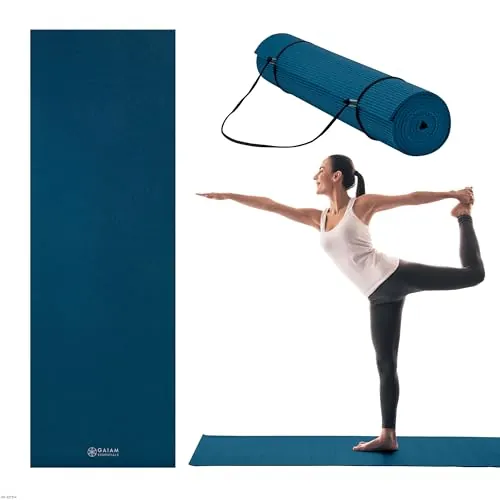
Gaiam Essentials 1/4" Thin (6mm) Yoga & Pilates, Fitness & Exercise Mat with Easy-Cinch Carrier Strap Cusion Support For Fitness and Gym Workouts
- Thicker 1/4 in (6mm) cushioning can feel more joint-friendly for floor work.
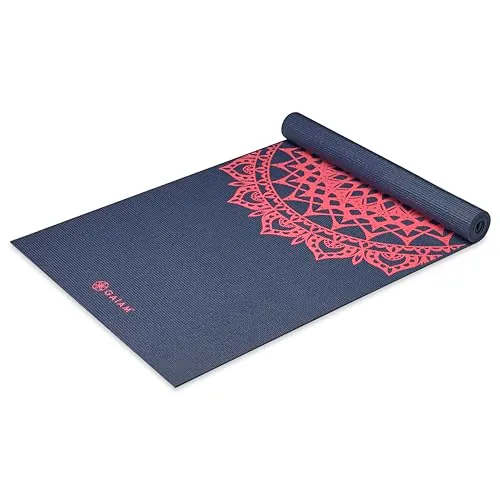
Comparison
Gaiam Essentials 6mm and the Gaiam Print Yoga Mat are budget-friendly mats for yoga, Pilates, and floor exercises. The Essentials mat is thicker and longer with a carry strap, while the Print mat is thinner, lighter, and focuses on design plus a bonus downloadable class. Both have odor/off-gassing mentioned, but the Print mat shows more mixed buyer feedback on grip and durability.
#1 Overall Winner
Contender
Choose the Gaiam Essentials 6mm if you want more cushion, more length, and steadier grip feedback for yoga, Pilates, and floor workouts. Choose the Gaiam Print Yoga Mat if you want a lighter, easier-to-carry mat with a motivating printed design and don’t mind a thinner feel. Either way, plan to air the mat out after opening.
Overall winner
Depends on your needs
| Feature | Gaiam Essentials 1/4" Thin (6mm) Yoga & Pilates, Fitness & Exercise Mat with Easy-Cinch Carrier Strap Cusion Support For Fitness and Gym Workouts | Gaiam Print Yoga Mat, Non Slip Exercise & Fitness Mat for All Types of Yoga, Pilates & Floor Exercises | Winner |
|---|---|---|---|
| Category / use case | Yoga, Pilates, floor exercise mat | Yoga, Pilates, floor exercise mat | Tie |
| Thickness | 1/4 in (6mm) | 4mm | Gaiam Essentials 1/4" Thin (6mm) Yoga & Pilates, Fitness & Exercise Mat with Easy-Cinch Carrier Strap Cusion Support For Fitness and Gym Workouts |
| Length | 72 in | 68 in | Gaiam Essentials 1/4" Thin (6mm) Yoga & Pilates, Fitness & Exercise Mat with Easy-Cinch Carrier Strap Cusion Support For Fitness and Gym Workouts |
| Width | 24 in | 24 in | Tie |
| Weight | ~3 lb (also listed as 3.5 lb in description) | 2.09 lb | Gaiam Print Yoga Mat, Non Slip Exercise & Fitness Mat for All Types of Yoga, Pilates & Floor Exercises |
| Included extras | Carrier sling/strap | Bonus downloadable yoga class | Depends |
| Material listed | Nitrile butadiene rubber (listing also references PVC) | Polyvinyl chloride (PVC) | Gaiam Print Yoga Mat, Non Slip Exercise & Fitness Mat for All Types of Yoga, Pilates & Floor Exercises |
| Care instructions | Hand wash only | Spot clean; avoid extended sun exposure; air out recommended | Depends |
| Grip feedback | Generally strong; fewer slip complaints in provided reviews | Mixed; some report slipping (incl. hot yoga) | Gaiam Essentials 1/4" Thin (6mm) Yoga & Pilates, Fitness & Exercise Mat with Easy-Cinch Carrier Strap Cusion Support For Fitness and Gym Workouts |
| Cushioning / comfort emphasis | Extra-thick cushioning focus | Lightweight with “just right” cushioning (thin for some) | Gaiam Essentials 1/4" Thin (6mm) Yoga & Pilates, Fitness & Exercise Mat with Easy-Cinch Carrier Strap Cusion Support For Fitness and Gym Workouts |
| Odor / off-gassing | Repeated strong smell complaints; airing out often needed | Odor noted in listing; several reviews mention smell | Tie |
| Portability | Strap included; heavier carry | Very lightweight; rolls easily | Gaiam Print Yoga Mat, Non Slip Exercise & Fitness Mat for All Types of Yoga, Pilates & Floor Exercises |
| Value sentiment | Strong value feedback and high satisfaction | Good value feedback; some durability/grip variance | Gaiam Essentials 1/4" Thin (6mm) Yoga & Pilates, Fitness & Exercise Mat with Easy-Cinch Carrier Strap Cusion Support For Fitness and Gym Workouts |
| Best fit for sensitive joints | More padding for kneeling and floor work | Thinner feel may require added padding for some | Gaiam Essentials 1/4" Thin (6mm) Yoga & Pilates, Fitness & Exercise Mat with Easy-Cinch Carrier Strap Cusion Support For Fitness and Gym Workouts |
For recovery-oriented use—light stretching, gentle yoga, and floor relaxation—comfort and “stay-put” traction are the main factors. The Essentials 6mm is typically the more comfortable option for longer sessions because of added padding and strong grip feedback. The Print mat is convenient to keep nearby due to its lighter weight and easy roll-up, but users who dislike thin mats may need extra padding under knees or elbows. Both mats may benefit from airing out first due to odor.
Both mats are best viewed as general-purpose yoga and Pilates mats for home workouts, studio sessions, and floor exercises like stretching and core work. The big training-use difference is the feel under you: the Essentials 6mm better suits routines with more kneeling, seated work, and longer holds where cushioning matters, while the Print 4mm better suits users who want a lighter carry and a firmer, more minimal layer between you and the floor.
If your training includes sweaty sessions (heated yoga) or frequent transport, you’ll likely care most about traction consistency and portability—two areas where buyer feedback differs more between these mats.
Neither mat is a strength-training tool, but both can support bodyweight strength and floor-based accessory work (core training, glute bridges, push-up variations, mobility drills). The Essentials 6mm is typically the better pick for strength-style floor work because the extra thickness can reduce pressure on knees and elbows. The Print 4mm can feel more stable for balance-based positions, but some users report it being thin and occasionally slippery, which can be a drawback during planks or faster transitions.
These mats aren’t cardio devices, but they can be used for low-impact conditioning like warm-ups, mobility circuits, and floor intervals. For anything with more movement, traction and how the mat stays put matter. The Essentials 6mm has more consistent grip/stability feedback, which can help reduce repositioning during circuits. The Print 4mm is easier to carry to class, but buyer feedback on slipperiness is more mixed—especially in hotter, sweatier sessions.
Mobility and flexibility work is where both mats make the most sense. The Gaiam Essentials 6mm offers more cushioning for kneeling stretches, hip openers, and longer floor holds, which can be helpful on hard surfaces. The Gaiam Print Yoga Mat is thinner and lighter, which some people prefer for balance and alignment work, and its patterned top can be motivating for consistent practice. If you’re sensitive to joint pressure, the thicker Essentials mat is usually the safer starting point.
For recovery routines (gentle stretching, breath work, and easy mobility), both mats are suitable, but comfort tends to drive the choice. The Essentials 6mm generally better supports longer floor sessions thanks to extra padding. The Print 4mm works well for quick stretches and can be easier to keep in a bag or car due to its lower weight. Odor on first use is mentioned for both, so airing out before a longer recovery session can make the experience more pleasant.
In terms of doing the core job—providing a stable, non-slip surface for yoga and floor exercise—the Gaiam Essentials 6mm looks stronger overall. It combines a textured surface with a thicker feel that many users describe as supportive and steady, including on common home surfaces. The Gaiam Print Yoga Mat can perform very well for some users, but the feedback is less consistent: several reviews praise grip, while others report slipping (notably in hot yoga) and feeling that the mat is thin. If your sessions involve sweat or frequent transitions, consistency of traction becomes especially important.
Both mats can support a consistent routine because they’re simple, lightweight, and easy to store. The Essentials 6mm supports training a bit better for mixed home workouts (yoga, Pilates, stretching, and floor strength) because the extra cushioning can make longer sessions more comfortable, reducing the need for extra padding. The Print Yoga Mat supports training well for people who attend classes or travel, thanks to its low weight and easy roll-up. The bonus downloadable yoga class is a helpful on-ramp, but long-term support depends on whether the thinner feel and variable grip match your practice.
For floor-based strength work, the Essentials 6mm has a practical advantage: more padding can make kneeling movements and core sessions more tolerable, especially on hardwood. It also has strong grip/stability feedback, which helps during planks and controlled transitions. The Print 4mm can feel more direct and stable for balance, but the mixed grip and durability comments mean it may be less predictable if you’re doing frequent, high-repetition floor circuits.
For light cardio circuits that use the mat as a base (mountain climbers, burpees with step-backs, mobility-to-cardio combos), traction and how much the mat shifts matter more than cushioning. The Essentials 6mm appears more consistent in staying put and feeling grippy, based on provided feedback. The Print mat is easier to transport to group classes, but the reports of slipping in hot yoga suggest sweaty, fast-paced sessions may require extra attention to towel use and floor conditions.
Both mats are well suited to mobility and flexibility sessions, but they serve different preferences. The Essentials 6mm is better for longer holds and kneeling positions because the thicker cushioning reduces pressure points. The Print 4mm suits users who prefer a thinner, firmer surface for balance and alignment, and many like the motivating design. If your mobility work happens on very hard floors, the Essentials mat’s extra thickness is a meaningful advantage.
For recovery-oriented use—light stretching, gentle yoga, and floor relaxation—comfort and “stay-put” traction are the main factors. The Essentials 6mm is typically the more comfortable option for longer sessions because of added padding and strong grip feedback. The Print mat is convenient to keep nearby due to its lighter weight and easy roll-up, but users who dislike thin mats may need extra padding under knees or elbows. Both mats may benefit from airing out first due to odor.
Neither mat includes complex safety features, so the practical safety considerations are traction, stability, and tolerability. The Essentials 6mm generally looks safer for many users because grip feedback is more consistent, reducing the chance of unexpected slipping during transitions. The Print mat has some reports of slipping in hot yoga, which can be a safety concern in sweaty sessions if traction drops. Both products mention odor on unwrapping; airing out before close face-down poses can improve comfort. As with any mat, practicing on a flat surface and stopping if you feel unstable matters.
Comfort largely comes down to thickness and how the surface feels during longer holds. The Essentials 6mm is more comfortable for most people doing kneeling, seated, or core work because the extra cushioning reduces pressure on joints. The Print mat is comfortable for many users, but the thinner 4mm profile is more likely to feel firm on hard floors—great for those who prefer minimal padding, less ideal for sensitive knees or wrists.
Both mats are simple to use: unroll, practice, and clean. The Essentials 6mm includes a carrier strap that makes quick storage and transport easier, and multiple reviews mention it’s easy to roll and store. The Print mat is lighter and rolls up easily, and its spot-clean guidance is clear. The main ease-of-use friction point for both is the potential new-mat odor, which may require airing out before comfortable indoor use.
Both mats aim to provide stable footing, but stability depends on how well the surface grips your hands/feet and how much the mat shifts on the floor. The Essentials 6mm has stronger, more consistent feedback that it doesn’t move around during practice, which supports stability during transitions. The Print mat can feel stable for many users, but the mixed reports of slipperiness—especially during hot yoga—make stability more situation-dependent (sweat level, floor type, and towel use).
Grip is a key separator here. The Essentials 6mm has repeated positive comments about a “grippy” surface and good traction without becoming slippery, including users practicing on carpet and hardwood. The Print Yoga Mat gets both praise and complaints: some users call it very sticky and stable, while others report slipping, particularly in hot yoga. If you want the safer bet for consistent traction, the Essentials mat is the more predictable choice.
Both mats are space-efficient: they roll up for storage and don’t require a dedicated setup area. The Print Yoga Mat has an edge for small spaces and commuting because it’s lighter and easier to carry, making it simpler to keep in a closet, car, or studio bag. The Essentials 6mm is still easy to store and includes a strap to keep it bundled, but the thicker profile and higher weight make it slightly less convenient if you’re constantly moving it around.
Yoga mats are typically quiet, and neither listing suggests any noise issues. For most home workouts, both should reduce direct contact noise compared with exercising on bare floors. If you do floor-based movements on hardwood, the thicker Essentials 6mm may slightly dampen impact more simply because there’s more material between you and the floor.
Both mats are positioned as durable, budget-friendly options, but the Essentials 6mm shows stronger signals for overall build consistency. Reviews commonly describe it as soft yet durable, with reliable grip and a comfortable feel. The Print Yoga Mat is often praised for looking great and rolling well, but the aggregated feedback notes mixed experiences with thickness and durability, including reports of it falling apart after limited use. If you plan frequent weekly sessions, consistency in finish and wear matters, which slightly favors the Essentials mat.
Durability feedback is more consistent for the Gaiam Essentials 6mm, with reviewers describing it as long-lasting and holding up well over time. The Gaiam Print Yoga Mat has more variability: many users are happy, but there are also reports of it wearing out quickly (including a mention of falling apart after only a couple of classes). Storage and care matter for both, and the Print mat’s care notes specifically warn that extended sun exposure may lead to fading and brittleness.
Maintenance is straightforward for both, but the details differ. The Essentials 6mm lists hand-wash care and is commonly described as easy to wipe down. The Print mat provides more specific instructions: spot clean with a damp cloth and mild detergent, dry flat, and avoid extended sun exposure to reduce fading or brittleness. Both may need an initial airing-out period due to odor, which is a “one-time” maintenance step that improves early ownership.
The Gaiam Print Yoga Mat is the easier mat to carry frequently because it’s notably lighter (listed at 2.09 lb). The Gaiam Essentials 6mm includes a useful carrier strap, which helps, but the mat itself is heavier and thicker, so it’s less convenient for longer walks or commuting. If you mainly practice at home and only occasionally transport your mat, the Essentials strap can be enough.
For mats, “ingredient transparency” mainly comes down to material clarity and safety-related disclosures. The Gaiam Print Yoga Mat lists its material clearly as PVC and includes detailed care guidance (including odor notes and sun-exposure cautions). The Gaiam Essentials 6mm lists nitrile butadiene rubber in the specs, while the description also references PVC, which can feel less consistent to a careful buyer. Both highlight being 6P-free (phthalate-free for the listed compounds).
Both mats are priced in the budget range and have large review counts, but value depends on what you need most. The Essentials 6mm offers strong value if you want more cushioning, a longer mat, and generally more consistent grip/comfort feedback—plus a carry strap included. The Print Yoga Mat can be excellent value for users who prioritize a lighter carry and enjoy the printed design, but the more mixed durability and grip reports make value more dependent on your use case (especially for hot yoga or frequent weekly sessions).
This is largely a tie because both products come from Gaiam and each has substantial buyer feedback. Trust signals here are mostly practical: very high review volume, consistent product positioning, and clear usage/care guidance. The main difference is that the Print mat provides more explicit care warnings (odor and sun exposure), while the Essentials mat shows a small material-description mismatch between specs and description in the provided data.
Both mats are rated highly with very large review counts, but satisfaction looks stronger and more consistent for the Gaiam Essentials 6mm. Reviews frequently praise grip, comfort, length, and overall quality for the price, with the most repeated complaint being strong initial odor. The Gaiam Print Yoga Mat also gets a lot of love for its design, value, and portability, but it has more mixed feedback on slipperiness, thinness, and durability (including reports of early wear). If you want fewer surprises, Essentials has the edge.
Most claims for both mats are practical and easy to verify: size, thickness, included extras, and basic use cases (yoga, Pilates, floor exercise). Claims about being “non-slip” and supportive are backed by many customer reviews, but support is more consistent for the Essentials 6mm than for the Print mat, where grip feedback varies (especially in sweaty/hot sessions). Both listings acknowledge potential odor and recommend airing out, which aligns with repeated buyer reports and strengthens overall claim credibility around first-use experience.
The better all-around choice is the Gaiam Essentials 6mm. It brings more cushioning, more length, and more consistent buyer feedback on grip, comfort, and stability—making it easier to recommend for most yoga, Pilates, and floor-exercise routines at home. Its main drawback is the repeated complaint of a strong chemical smell when new, plus some mixed clarity in the provided material details.
The Gaiam Print Yoga Mat is best when portability and aesthetics are top priorities. It’s lighter, easy to roll, and many buyers love the design, but the main limitations are mixed reports on slipperiness, thinness, and durability. If you want fewer trade-offs in daily use, go Essentials; if you want a lighter, stylish mat and accept variability, the Print mat can still be a good fit.
Overall winner
Depends on your needs
If you want more cushioning and a longer mat, the Gaiam Essentials 6mm is typically the more practical pick. If you prioritize a lighter carry and prefer a thinner feel (plus a printed design), the Gaiam Print Yoga Mat can fit better. Both can have an initial odor, so airing out matters either way.
Both can work for beginners, but they suit different needs. The Gaiam Essentials mat is thicker and longer, which many new users find more comfortable for knees and wrists during floor work. The Gaiam Print mat includes a bonus downloadable yoga class and is lighter to carry, but some reviews say it can feel thin.
Both listings emphasize a non-slip texture, but buyer feedback is more mixed on the Gaiam Print mat, with some reporting slipping in hot yoga. The Gaiam Essentials mat has more consistent comments about grip, though odor/off-gassing is still a common early issue. For hot yoga, consider how much you sweat and whether you typically use a towel.
The Gaiam Essentials 6mm mat generally provides more cushioning for hardwood thanks to its thicker profile. The Gaiam Print mat can still work on hardwood, and some reviewers like its grip, but others call it thin. If joint comfort is a priority, the thicker mat is usually the safer bet for hard surfaces.
Yes—both products have odor mentioned in the listing and/or reviews. The Print mat specifically notes that printed mats may release a strong but harmless odor and recommends airing out for 2–3 days. The Essentials mat also has repeated reviews describing a strong chemical smell at first, with users reporting that airing it out helps.
The Gaiam Print Yoga Mat is lighter (listed at about 2.09 lb), which makes it easier to carry frequently. The Gaiam Essentials mat includes a carrier strap, which helps with portability, but it is heavier overall and may be less convenient if you walk or commute to class often.
Based on the provided buyer feedback and category scoring, the Gaiam Essentials mat appears to have fewer durability complaints overall. The Gaiam Print mat has mixed durability feedback, including reports of it wearing out quickly for some users. Proper care (cleaning and storage) can still make a meaningful difference for either mat.
The Essentials mat is thicker (6mm) and longer (72 in) and includes a carrier strap. The Print mat is thinner (4mm) and shorter (68 in), is notably lighter, and includes a bonus downloadable yoga class. Reviews for the Print mat are more mixed on grip, thickness, and durability, while both can have an initial odor.
Many practical claims—like size, thickness, and included extras—are clearly specified. Claims about grip and comfort are supported by plenty of customer feedback, but experiences vary (especially for the Print mat in hot or sweaty sessions). Odor/off-gassing is also repeatedly mentioned, which is consistent with the listings’ advice to air mats out before use.
Check our rankings and expert guides to find the best fitness products for your goals.