TrainingRanker
Menu

Review

Yes4All EVA Interlocking Mats Review

The Yes4All EVA Interlocking Mats are modular foam floor tiles designed mainly for home flooring comfort, light exercise areas, and basic floor protection. They stand out for easy setup, soft cushioning, and strong value, but the product details and buyer feedback both suggest limits under intense workouts, heavy equipment, or frequent tile movement.
Expert reviewed
72
Overall score
Data-driven scoring Expert reviewed Updated analysis

Why we ranked it highly

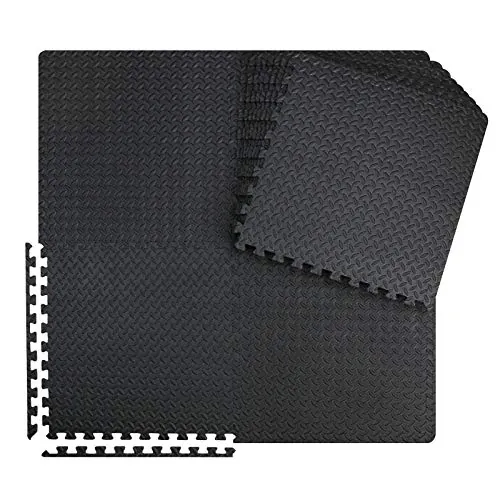
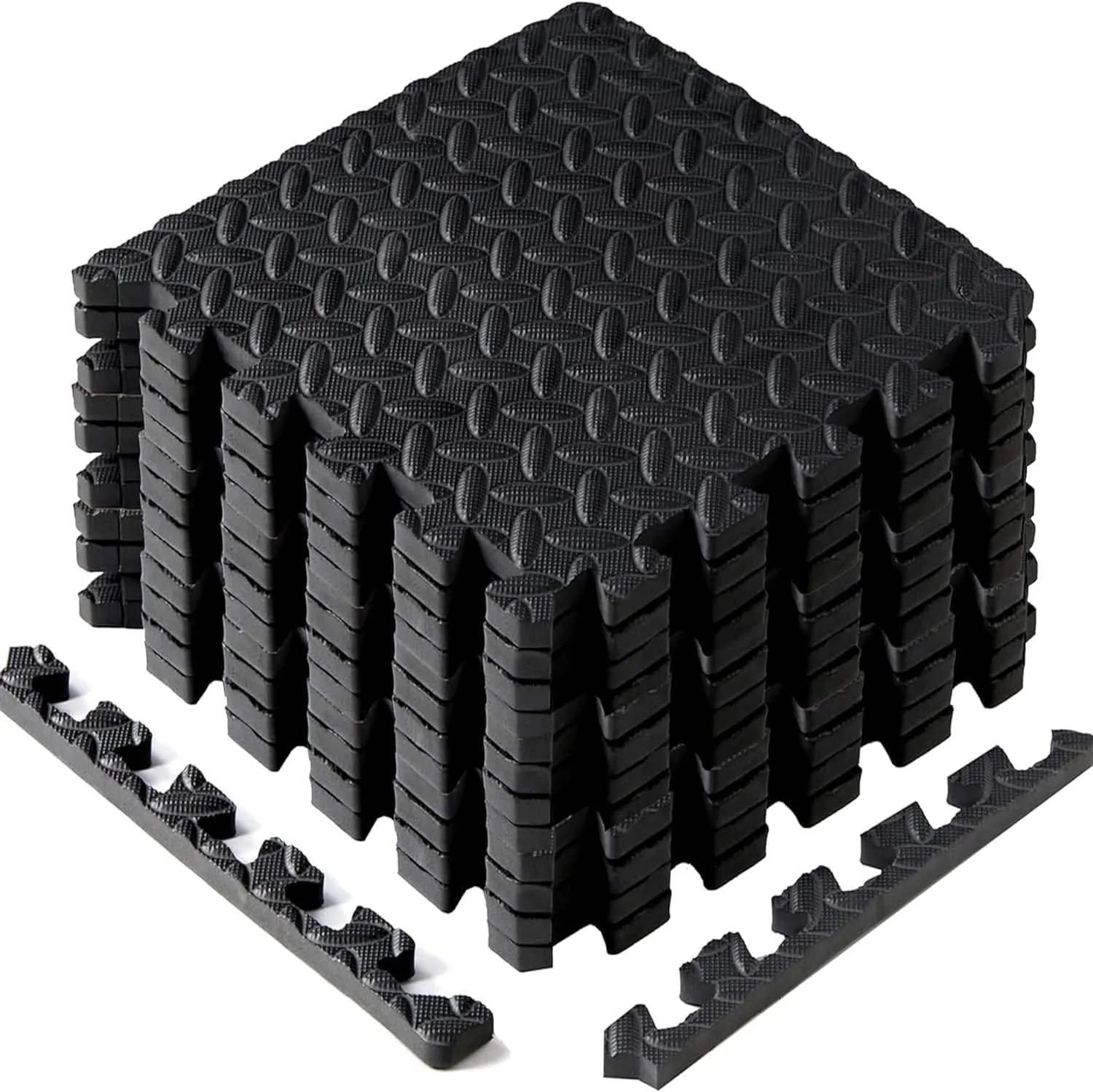
The Yes4All EVA Interlocking Mats are a 12-tile EVA foam flooring set designed to cover 11 square feet in living spaces, home offices, garages, and other light-use areas. Each tile measures 12 by 12 inches with a thickness of about 7/16 inch, and the interlocking design allows users to create a flexible layout with included border edges for a cleaner finish. The main appeal is practical home use: adding cushioning underfoot, helping protect floors from scratches and dents, and creating a softer surface for standing or light floor-based activity. The tiles are also lightweight, easy to wipe clean, and simple to take apart for storage. Based on the listing and review trends, this product appears best suited to general home comfort and light-duty fitness or mobility use rather than demanding strength or cardio training environments.
90-day review Expert reviewed User feedback Data scoring

Key specs

Item details

Brand Name
Yes4All
UPC
817802024406 817802028527
Manufacturer
Yes4All
Number of Items
1
Model Number
KAL0
Unit Count
12 Pack
Included Components
No
Item Type Name
12 Square Feet (12 Tiles) - Black
Item Weight
0.79 Pounds

Style

Color
Black
Shape
Square
Pattern
Solid

Materials & Care

Material Type
Ethylene Vinyl Acetate (EVA)
Product Care Instructions
Wipe with Damp Cloth
Material Type Free
Silicone Free, Latex Free, BPA Free, Phthalate Free, Lead Free, PVC Free

Measurements

Item Thickness
0.44 Inches
Item Dimensions L x W x Thickness
12"L x 12"W x 0.43"Th

Additional details

Additional Features
Durable, Waterproof
Room Type
Living Room, Home Office

Scores breakdown

45 /100

Recovery support

68 /100

Performance

60 /100

Training support

50 /100

Strength training

35 /100

Cardio training

55 /100

Mobility & flexibility

90 /100

Ingredient transparency

72 /100

Safety

Strengths

  • High ease-of-use profile with simple interlocking assembly and easy disassembly for storage.
  • Soft EVA foam surface provides noticeable cushioning for standing, light exercise, and general floor padding.
  • Good value based on price, large review volume, and positive feedback on affordability.
  • Lightweight, stackable tile format works well in small homes, apartments, and flexible room layouts.
  • Textured double-sided surface and included borders support a cleaner finished look for home spaces.
  • Waterproof, wipe-clean construction helps with routine maintenance.
  • Strong noise-reduction feedback for daily use applications such as under furniture or crates.

Limitations

  • Brand guidance says the mats are not recommended for strength workouts, cardio, or heavy equipment impact and friction.
  • Mixed user feedback on interlocking security, with some reports of tiles separating during movement.
  • Thickness and tile size may feel smaller or thinner than some buyers expect.
  • Foam can dent under equipment load based on review feedback.
  • Stability is limited for high-traffic or more intense training setups.
  • Some layouts may require trimming or extra effort to get clean edge fit.

Ideal user profiles

  • Home users who want affordable foam floor padding for light daily use.
  • Apartment dwellers looking to reduce noise on hard floors.
  • People setting up a small home office, reading corner, or living space with extra underfoot comfort.
  • Users who need lightweight tiles that can be assembled, removed, and stacked easily.

Use cases

  • Padding hard floors in a living room or home office.
  • Creating a soft standing area for light stretching or floor-based movement.
  • Reducing noise under crates, furniture, or light household equipment.
  • Temporary floor coverage in garages or multipurpose spaces.
  • Protecting floors from scratches, dents, and pressure marks in light-use areas.
  • Building a modular surface that can be resized for changing room layouts.

Fit and positioning

Who this works for

Category positioning

This product fits best as a general fitness and home flooring accessory rather than a dedicated heavy-duty gym mat. Its main role is to add cushioning, reduce everyday floor contact, and protect hard surfaces in multipurpose rooms. While some buyers use it in workout areas, the listing clearly positions it more for casual home use, light movement, and floor coverage than for impact-heavy strength or cardio routines.

Best for

These mats are best for home users who want affordable foam floor padding for standing areas, light stretching, gentle floor exercise, or general room protection. They also make sense for apartments or shared spaces where noise reduction and softer footing matter. Buyers who value quick assembly, easy cleaning, and flexible layout options are likely to get the best result.

Not best for

They are less suitable for buyers building a serious home gym for heavy strength work, repeated cardio impact, or large equipment setups. The product details specifically caution against that use, and reviews mention denting, separation, and inconsistent tile fit. Anyone expecting thick, heavy-duty commercial flooring or larger-format tiles may find this set underwhelming.

Training use

For training, these mats are best viewed as a light-support floor layer rather than a core performance surface. They can add comfort for stretching, bodyweight movement, and low-impact routines, while also helping protect the floor underneath. Their role is more about cushioning and room setup than supporting demanding progression in strength or cardio sessions.

Performance analysis

How it performs in practice

Each scoring dimension is separated into a compact card so the strengths and tradeoffs are easier to compare without reading one long block.

Performance analysis

With a performance score of 68 , the mats perform reasonably well for their intended light-duty role. They appear effective at adding cushioning, reducing hard-floor contact, and providing basic surface protection in home settings. Reviews support this in areas like softness, simple floor coverage, and some noise reduction. The main performance limits show up when use becomes more demanding: mixed interlock reliability, denting under equipment, and the brand's own note that the tiles are not intended for strength or cardio impact. In practice, performance looks solid for casual home use but only average for fitness-specific flooring demands.

Training support

The training support score of 60 reflects a product that can support some routines, but only within a narrow range. For light stretching, bodyweight movement, and simple home exercise zones, the mats provide a softer and more approachable surface than bare flooring. Setup is fast, and the modular design makes them easy to expand or reconfigure. However, they do not appear built for progression into harder training, repeated high-impact movement, or heavy equipment use. Buyers wanting flooring for serious strength or cardio work will likely need a more stable and robust option.

Strength training

The strength training score of 50 points to limited usefulness in this area. Some customer feedback mentions placing gym equipment on the mats, but there are also reports of denting and tiles coming apart. Since the listing explicitly advises against strength-workout impact and friction, these tiles are better treated as light floor padding than as dependable strength-training flooring.

Cardio training

The cardio training score of 35 is one of the weaker parts of this profile. That low score fits the product guidance, which says the mats are not recommended for cardio. Repeated foot strikes, lateral movement, and friction are likely to expose the weaker points of the interlocking system, so these are not an ideal base for cardio sessions.

How it compares

Within its category, this product appears more competitive on affordability, comfort, ease of setup, portability, and low-maintenance use than on heavy-duty training support. Compared with more robust gym flooring options, it is likely weaker in stability, long-term resilience under equipment load, and suitability for repeated high-impact workouts. On the other hand, it should compare well against basic home-use foam tiles when buyers prioritize soft footing, flexible layout, easy storage, and simple cleaning. Its large review base and positive value profile help it stand out, but the intended-use limits are important and should not be ignored.

Ranking summary

With an overall score of 72 , the Yes4All EVA Interlocking Mats rank as a solid budget option for light-duty home flooring and casual fitness use. Their strongest areas are comfort, ease of use, portability, maintenance, noise reduction, and value, which makes them appealing for apartments, living spaces, and flexible home setups. They rank lower as a training-specific product because the weaker areas are directly relevant to harder exercise use: modest stability, average durability, and limited support for strength or cardio sessions. In short, this product ranks well when judged as affordable foam floor padding, but less strongly when judged as dedicated home gym flooring.

Buying advice

Consider these mats if you want affordable EVA foam tiles for light home use, floor protection, noise reduction, or a softer area for stretching and casual movement. They are especially practical in apartments, home offices, garages, or multipurpose rooms where easy setup and storage matter. Avoid them if you need flooring for heavy weights, repeated cardio impact, or equipment that may dent the foam. Before buying, check the total area you need to cover, since one pack only covers 11 square feet, and be aware that the 12 by 12 inch tile size may feel smaller than expected. If interlock security is critical, keep expectations moderate.
72
Overall score

Final verdict

The Yes4All EVA Interlocking Mats are a strong budget option for light home flooring use and a more average option for fitness-specific applications. Their main strength is the combination of comfort, easy setup, portability, and good value at a low price point. Their main limitation is that they are not built for demanding training, with both the listing and user feedback pointing to issues under heavier loads, cardio impact, or frequent shifting. If your goal is softer, modular floor coverage for everyday use or gentle movement, they make sense. If you need stable, heavy-duty gym flooring, they are likely too limited.
Back to review

Key topics

Yes4All EVA Interlocking Mats, Yes4All puzzle floor tiles review, EVA foam floor padding, interlocking foam floor mats, home gym floor tiles, foam puzzle mats for home, garage foam floor tiles, light workout floor mat, floor protection foam tiles, apartment noise reduction mats

Frequently asked questions

Are the Yes4All EVA Interlocking Mats suitable for a home gym?
They can work for very light home gym use, especially where the goal is basic floor protection and extra cushioning. However, the product details specifically say these mats are not recommended for the impact and friction of strength workouts, cardio, or heavy equipment, so they are better suited to lighter daily use than hard training.
How much area does one pack cover?
One pack includes 12 tiles, and the listing states that they cover 11 square feet. Each tile is 12 by 12 inches, so buyers covering a full room, garage section, or workout corner will usually need multiple packs to build out the space they want.
Are these foam tiles comfortable to stand or kneel on?
Comfort is one of the stronger areas for this product. The EVA foam construction and roughly 7/16 inch thickness provide a softer surface than bare hard flooring, and reviews regularly mention good foot cushioning for home use, standing, and general padding.
Do the tiles stay locked together well?
Feedback is mixed. Some buyers say the tiles interlock easily and hold well enough for regular use, while others mention gaps, imperfect fit, or pieces coming apart with frequent movement or traffic. They appear more reliable in lighter-use setups than in spaces with repeated shifting or intense activity.
Can these mats handle heavy gym equipment?
The listing emphasizes casual home use and notes that the mats are not recommended for strength workouts, cardio, or heavy equipment impact. Some reviews say they were used under equipment, but there are also reports of denting and pieces separating, so expectations should stay modest for load-heavy setups.
Are the mats easy to clean?
Yes. Maintenance looks straightforward, with wipe-clean care instructions and waterproof material noted in the product details. A damp cloth is the stated cleaning method, and review feedback also suggests that routine dust and surface mess are easy to manage in normal home environments.
Are these mats easy to store when not in use?
Yes. Portability and storage are practical strengths here because the tiles are lightweight and can be unlocked, stacked, and put away without much effort. That makes them useful for multipurpose rooms where the flooring setup may need to change regularly.
Do the mats help reduce noise?
They appear to help with basic noise reduction on hard floors. Review feedback includes positive comments about reducing sound under a dog crate, and the soft foam construction is likely to soften everyday contact noise. That said, they are not presented as a heavy-duty impact platform for dropped weights.

Related Guides & Rankings

Comparisons featuring this product