#1 Overall Winner
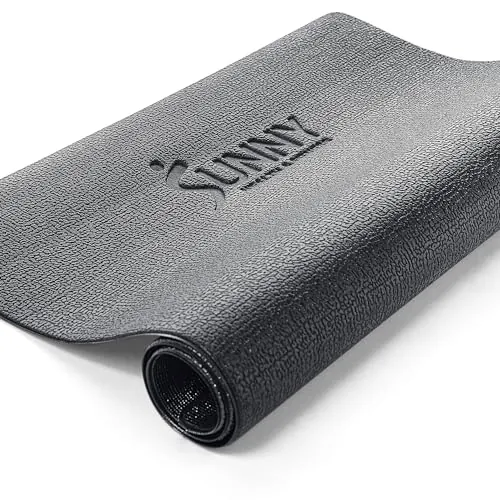
Sunny Health & Fitness Equipment Mat
- Designed as a single-piece equipment mat with multiple size options for treadmills, bikes, ellipticals, and more.
Comparison
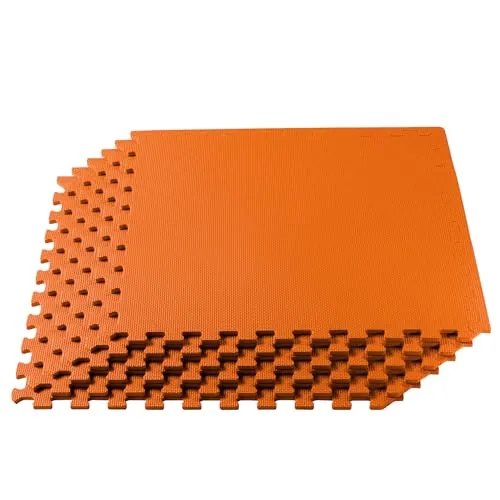
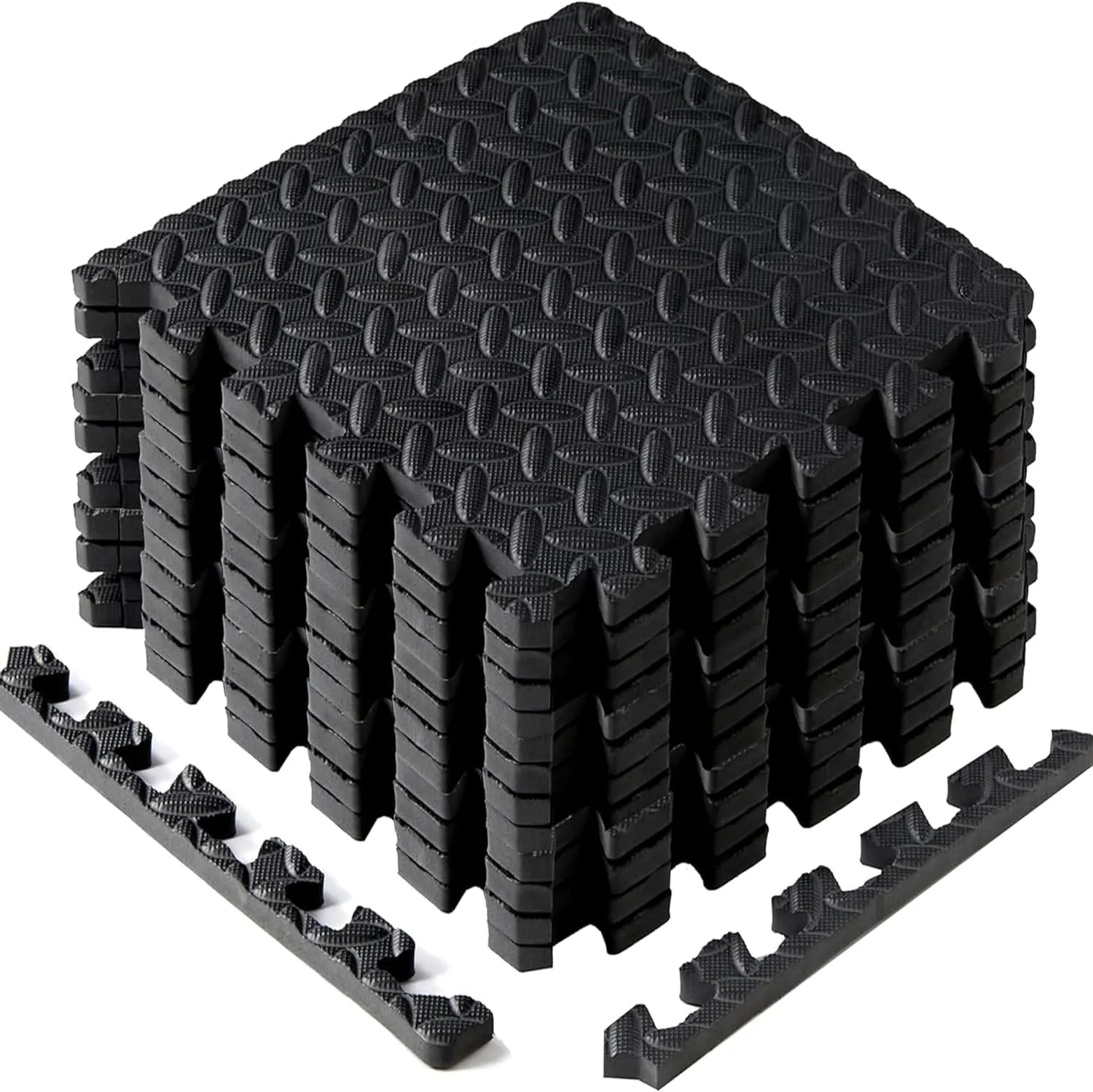
The Sunny Health & Fitness Equipment Mat and Yes4All EVA Interlocking Mats both protect floors and add grip for home workout spaces, but they fit different setups. Sunny is a single-piece mat sized for treadmills, bikes, and other equipment, while Yes4All uses modular foam tiles that can be expanded to cover larger areas. If you want a more stable “under-machine” solution, Sunny tends to fit better; if you want softer, customizable room coverage, Yes4All is often the more flexible choice.
#1 Overall Winner
Contender
Choose Sunny Health & Fitness Equipment Mat if you want a simple, under-machine floor protector for a treadmill, bike, or similar cardio gear. Choose Yes4All EVA Interlocking Mats if you want modular, cushioned flooring you can scale across a room for lighter use—while accepting that seams can separate and heavy/intense training may not be the ideal use case.
Overall winner
Depends on your needs
| Feature | Sunny Health & Fitness Equipment Mat | Yes4All EVA Interlocking Mats (Puzzle Floor Tiles) | Winner |
|---|---|---|---|
| Type / format | Single-piece equipment mat (roll-up) | Interlocking EVA foam tiles (puzzle) | Depends |
| Primary use focus (as described) | Exercise equipment + floor protection; also yoga/pilates/stretching | Home flooring/padding; light casual use (not recommended for intense workouts/heavy equipment) | Sunny Health & Fitness Equipment Mat |
| Thickness | 0.16 in (4.2 mm) | ~0.43–0.44 in (7/16 in) | Yes4All EVA Interlocking Mats (Puzzle Floor Tiles) |
| Coverage approach | Preset sizes (XS/S/M/L) | Modular coverage (12 tiles cover 11 sq ft; add packs) | Yes4All EVA Interlocking Mats (Puzzle Floor Tiles) |
| Material listed in specs | PVC (specs); description mentions high-density EVA foam | EVA; also lists multiple “free-from” attributes | Yes4All EVA Interlocking Mats (Puzzle Floor Tiles) |
| Floor protection on hard surfaces | Designed for wood/stone/tile/concrete barrier protection | Designed to protect from scratches/dents/pressure marks | Tie |
| Stability under equipment | Non-slip textured surface; some reports of shifting when stepping on/off | Seams can separate; some reports of coming apart under movement | Sunny Health & Fitness Equipment Mat |
| Comfort underfoot | Firm, thinner cushioning | Softer, thicker foam feel | Yes4All EVA Interlocking Mats (Puzzle Floor Tiles) |
| Ease of cleaning | Waterproof/sweat-resistant; wipe clean | Wipe clean with damp cloth | Tie |
| Storage | Roll up and store under bed/closet | Unlock and stack tiles | Depends |
| Noise reduction (buyer mentions) | Commonly used under treadmills/bikes; reviews mention reduced noise/vibration | Reviews mention reduced noise in home settings | Tie |
| Review volume & average rating | Higher review count; higher star rating | Lower review count; slightly lower star rating | Sunny Health & Fitness Equipment Mat |
As recovery support, both products mainly contribute by making the floor more comfortable and less slippery for post-workout stretching. Yes4All tiles have the advantage for comfort due to thicker foam and a softer feel, which can matter during longer cooldowns. Sunny’s advantage is practicality in a machine-centered home gym: it’s quick to clean, stable, and easy to roll away if you need space.
For training use, Sunny works best as an equipment base—a dedicated pad under one machine or a compact equipment area—where stability, grip, and quick cleanup matter most. Yes4All is better as room flooring for lighter, mixed use: standing, walking around the gym space, and low-impact activity where softer cushioning improves comfort.
If your sessions include frequent stepping on/off a machine (treadmill, bike, rower), a single-piece mat typically reduces the annoyance of seams shifting. If you’re building a larger multi-purpose area and want to shape coverage around furniture or a room layout, interlocking tiles provide more flexibility.
For strength training spaces, the key difference is how each surface handles load and movement. Sunny’s single-piece mat is commonly used under equipment (including benches and machines in reviews) and prioritizes floor protection and stability over thick cushioning. Yes4All tiles can feel more comfortable to stand on, but the listing warns they are not recommended for impact and friction from strength workouts, and reviews mention dents under equipment and tiles separating during intense movement.
For cardio equipment (treadmills, bikes, ellipticals), Sunny is the more clearly targeted option: it’s sold as an equipment mat with a slip-resistant surface and many buyers specifically use it under cardio machines. Yes4All tiles can reduce noise and add padding, but the product guidance cautions against cardio use, and seams can shift or separate with repetitive stepping and machine vibration. If your priority is a stable base under a cardio machine, Sunny is generally the safer match.
For stretching, yoga, and light floor movement, Yes4All’s thicker foam tiles usually provide a softer feel under knees and feet, especially if you’re creating a dedicated open area. Sunny can work for light stretching and general exercise, but it’s thinner and more equipment-focused, so it may feel firmer for floor-based mobility sessions. If your mobility work happens next to machines and you mainly want floor protection, Sunny is still practical; for a more comfortable open-floor zone, tiles can be preferable.
Neither product is a dedicated recovery tool, but both can support recovery routines that involve light stretching, breathing work, or gentle floor mobility. Yes4All’s thicker cushioning may feel more comfortable for longer floor time, while Sunny’s firmer surface may be better if you want a stable base in a tight home gym footprint. If your recovery routine includes frequent reconfiguration of the space, tiles can be taken apart and re-laid as needed.
In day-to-day performance, Sunny appears to deliver more consistently on its main purpose: acting as a stable, wipe-clean barrier under exercise equipment, with strong buyer feedback around floor protection and reduced movement. Its performance concerns mainly relate to expectations around thickness and mixed durability reports.
Yes4All performs well when used as intended—light home flooring and padding with customizable coverage—but performance can drop in higher-movement workout areas because seams may separate and foam can dent under heavier loads. If your “performance” goal is a stable under-machine pad, Sunny has the clearer edge.
Sunny supports training routines best when your workouts revolve around a cardio machine or a defined equipment station. The preset sizes make it easy to match the mat to your machine footprint, and the single-piece design reduces setup friction.
Yes4All supports training when you want to build a broader workout zone that can change shape over time—useful for general movement, light stretching, or a mixed-use home gym corner. The trade-off is that tiles may require occasional re-locking and can be less reliable for intense sessions where traction and seam stability matter.
For strength-focused areas, Sunny is generally the more dependable option because it’s commonly used under equipment and has fewer points of failure (no tile seams). It’s still relatively thin, so it’s better viewed as floor protection and basic grip rather than deep cushioning.
Yes4All tiles can feel comfortable underfoot, but the brand’s own guidance cautions against strength-workout impact and friction, and buyer feedback includes dents under equipment and pieces coming apart. For heavier or higher-traffic lifting zones, those risks can disrupt training flow.
Sunny aligns more closely with cardio training needs because it’s purpose-built for treadmills and bikes, with strong feedback around stability and reduced vibration/noise. A single-piece surface also tends to stay put better when you repeatedly step on and off.
Yes4All tiles may still help with basic padding and noise reduction, but the product description discourages cardio use, and the seam-based layout can shift during repetitive movement. For consistent cardio sessions, Sunny is typically the lower-hassle option.
For mobility and flexibility work, Yes4All’s thicker foam can be more comfortable for kneeling, sitting, and longer stretch holds, especially if you build a larger open area. Sunny’s mat is usable for light stretching and floor drills, but its thinner profile prioritizes equipment protection and a firmer base.
If your mobility work is occasional and happens near machines, Sunny is a straightforward floor-protection solution. If mobility is a primary use and you want more cushioning, tiles often fit better—provided you’re okay with seam lines.
As recovery support, both products mainly contribute by making the floor more comfortable and less slippery for post-workout stretching. Yes4All tiles have the advantage for comfort due to thicker foam and a softer feel, which can matter during longer cooldowns. Sunny’s advantage is practicality in a machine-centered home gym: it’s quick to clean, stable, and easy to roll away if you need space.
For safety, the biggest factor is preventing slips and unexpected movement. Sunny’s single-piece, slip-resistant surface is designed to keep equipment more secure and can reduce the chance of a machine shifting on hard floors, though some users still report minor movement when stepping on or off. Yes4All tiles can add traction and cushioning, but seam separation and imperfect interlocks can create small trip points or shifting underfoot in busy areas. Also, Yes4All’s own guidance warns against use with intense workouts, cardio, or heavy equipment, which is important for safe matching to your routine.
Yes4All is the more comfortable underfoot option because the tiles are thicker and frequently described as soft and cushioned for walking and standing. Sunny’s mat is thinner and firmer—comfortable enough for brief stretching and light floor work, but primarily designed as equipment and floor protection rather than a plush exercise surface. If comfort is your top priority, tiles usually win; if firmness and machine stability matter more, Sunny fits better.
Both are easy to use, but in different ways. Sunny is “place and go”: unroll it, position your machine, and wipe it down after use; storage is as simple as rolling it back up. Yes4All tiles are quick to assemble and can be scaled to the space, but they require snapping pieces together, managing borders, and occasionally re-seating tiles if they separate. For the simplest day-one setup under a single machine, Sunny is usually easier.
Sunny is typically more stable in use because it’s one continuous mat with a slip-resistant surface; the main stability complaint is occasional shifting when stepping on/off equipment. Yes4All tiles can be stable when tightly assembled, but reviews frequently mention the interlocks separating during movement, which reduces confidence in fast transitions, intense footwork, or high-traffic home gym areas.
Both products use textured surfaces intended to improve traction. Sunny’s grip is aimed at keeping equipment from sliding and generally performs well in that role, although real-world stability can depend on your floor type and how you mount/dismount machines. Yes4All also provides a textured top surface, but grip can be undermined if tiles shift at the seams. For machine placement and fewer “moving parts,” Sunny’s grip tends to translate into more consistent stability.
Yes4All is more adjustable in layout because you can assemble the tiles into different shapes, expand coverage with more packs, and fit around corners. Sunny is adjustable mainly through choosing the right preset size (XS/S/M/L), but once you pick a size, the footprint is fixed. If you need flexible room coverage, tiles are the more configurable option.
Both can work well in small spaces. Sunny is space-efficient if you only need a defined pad under one machine, and it rolls up for storage. Yes4All is space-efficient if you want to cover only the exact area you need (and you can reduce it later), but you may need to store stacks of tiles if you disassemble. For single-machine apartments, Sunny often feels simpler; for multi-purpose rooms, tiles can be more adaptable.
Both products are used to reduce noise and vibration, and reviews support this for each. Sunny is frequently placed under treadmills and bikes, and users mention quieter operation and vibration reduction. Yes4All reviews also mention noise reduction in home settings, but tiles can shift at seams, which may change how consistently they dampen sound. If noise control is mainly for a single cardio machine, Sunny is the more direct match.
Sunny’s build quality is most often described as reliable for its intended purpose: a firm, protective layer under machines with a textured surface and easy wipe-down finish. Some buyers note it arrives rolled and may need time to flatten, and thickness expectations vary.
Yes4All tiles can feel sturdy and cushioned, but build quality feedback is mixed around the interlocking system—some users find the fit secure, while others report gaps, imperfect alignment, or tiles popping apart. The tile design also introduces more edges that can wear or lift over time.
Durability is mixed for both, but the failure modes differ. Sunny’s durability feedback includes reports of the mat holding up over months for cardio equipment, alongside complaints about it being thin and some cases of poor durability. Yes4All tiles are described as durable by some buyers, yet dents under equipment and seam separation are recurring themes, especially in higher-traffic areas. For long-term use under moving cardio equipment, a single-piece mat like Sunny may be less prone to “coming apart,” while tiles may require more upkeep.
Maintenance is straightforward for both: wipe down with a damp cloth. Sunny’s single-piece surface makes cleanup fast, with fewer edges and seams to catch dust. Yes4All tiles are also easy to wipe, but seams between tiles can collect debris, and some users may occasionally need to take apart sections to deep-clean or re-align. If you want the lowest-effort weekly maintenance, Sunny usually requires less fiddling.
Both are fairly portable. Sunny can be rolled and carried as one piece, which is convenient for moving between rooms, though the larger sizes will be bulkier. Yes4All tiles are lightweight and can be stacked, which can be easier to transport in smaller loads and fit into closets. For quick “grab and move” portability, tiles can be convenient; for simplicity (one item to manage), Sunny has the edge.
Yes4All is clearer on material transparency: the tiles are listed as EVA foam and include multiple “material free” statements (such as latex free, BPA free, and PVC free). Sunny’s listing is less consistent because the description highlights high-density EVA foam, while the specifications list PVC as the material type. If material disclosure is a priority (for preferences or sensitivities), Yes4All provides more explicit details in the provided data.
Value depends on how you’ll use the mat. Sunny tends to deliver strong value for a dedicated equipment pad: it’s sized for common machines, has very strong buyer sentiment, and reduces setup hassles for treadmills and bikes. Yes4All can be strong value when you need expandable square footage and softer comfort across a room—especially if you’re covering a larger area over time by adding packs.
The main value risk with Yes4All is needing more packs than expected and dealing with seams separating in higher-traffic workout use. The main value risk with Sunny is that some users may find it thinner or less durable than they hoped.
Sunny Health & Fitness shows stronger indicators of trust in this dataset, driven by very high review volume and consistently positive feedback for home gym equipment use. Yes4All still has substantial reviews and generally positive value/comfort comments, but buyer sentiment is more mixed around interlock fit and long-term stability. If you prioritize a more proven “under-machine mat” track record based on feedback, Sunny comes across as the safer choice.
Customer satisfaction appears higher for Sunny: it has a larger review base and a stronger average rating, with repeated praise for fit under treadmills/bikes, value, and easy cleaning. The most common complaints are thickness and mixed durability.
Yes4All satisfaction is good but more variable. Buyers often like the softness, price, and easy assembly, while recurring negatives include tiles coming apart, imperfect fits, and dents under equipment. If you dislike ongoing adjustments, Sunny aligns better with smoother day-to-day ownership.
Sunny’s claims around floor protection, moisture resistance, easy cleaning, and non-slip use are broadly supported by the provided specs and review themes, though durability and thickness expectations vary among buyers. Yes4All’s claims around comfort, easy assembly, and wipe-clean maintenance are also supported in reviews. Importantly, Yes4All includes a clear usage limitation in the listing (not recommended for intense workouts, cardio, or heavy equipment), which aligns with mixed feedback about tiles separating and denting under load. Overall, both are reasonably supported when used as intended.
Verdict: Sunny Health & Fitness Equipment Mat is the better overall choice for most people looking for a dependable under-equipment gym mat, especially for cardio machines and compact home gyms. Its biggest strength is stable, low-hassle floor protection with strong buyer sentiment; its biggest limitation is being thinner than some users expect and having mixed durability feedback.
Yes4All EVA Interlocking Mats are a solid alternative when you want customizable room coverage and softer comfort, with clearer material disclosures. The main limitation is seam stability and suitability for heavier or more intense training, since the listing cautions against cardio/heavy use and reviews mention tiles separating or denting. If your setup is machine-first, pick Sunny; if your space is flooring-first and light-use, pick Yes4All.
Overall winner
Depends on your needs
Based on the product positioning and buyer feedback, the Sunny Health & Fitness Equipment Mat is typically the safer pick for treadmills because it’s a single-piece equipment mat designed for machines and stability. The Yes4All tiles can work for light setups, but the brand notes they’re not recommended for impact and friction from cardio or heavy equipment, and some reviews mention seams separating.
Yes4All interlocking tiles are usually better for room coverage because you can expand the surface by adding packs and customize the layout. The Sunny mat comes in set sizes and works well under a single machine or a defined footprint, but it’s less flexible if you want wall-to-wall coverage.
Both products are described as helping with noise and vibration to some degree. The Sunny mat is frequently used under treadmills and bikes, with reviews mentioning reduced noise/vibration. Yes4All tile reviews also mention noise reduction in home settings, but results can depend on the floor type, the machine, and whether tile seams stay locked during movement.
Sunny’s mat is straightforward: unroll it and place equipment on top, then roll it up for storage. Yes4All tiles are also easy to assemble, but they require snapping multiple pieces together and aligning borders. Tiles can be convenient to stack and reconfigure, though more seams can mean more adjustment over time.
The Yes4All listing explicitly states the tiles are not recommended for the impact and friction from strength workouts, cardio, or heavy equipment. Some buyers still use them under equipment, but feedback includes dents under weight and tiles coming apart during intense movement. If your priority is supporting heavier gym gear, this limitation is important to consider.
The Sunny mat emphasizes a slip-resistant textured surface designed to keep stationary equipment in place, and many reviews describe it as stable, though some mention slight shifting when mounting/dismounting. Yes4All tiles have a textured surface too, but stability can be affected by tile fit and seams separating depending on traffic and workout intensity.
Yes4All tiles are thicker and commonly reviewed as soft and cushioned for everyday comfort, making them a better fit for standing, play areas, or light exercise. The Sunny mat is thinner and more focused on floor protection under equipment; it can work for stretching, but it’s typically firmer and not designed as a plush workout surface.
For Sunny, confirm the size you need (it comes in multiple lengths/widths) and set expectations on thickness and durability feedback. For Yes4All, confirm how many packs you’ll need for your square footage, and consider whether seams separating would be a problem in your space. For both, check your flooring type and plan for simple wipe-down cleaning.
Check our rankings and expert guides to find the best fitness products for your goals.