#1 Overall Winner
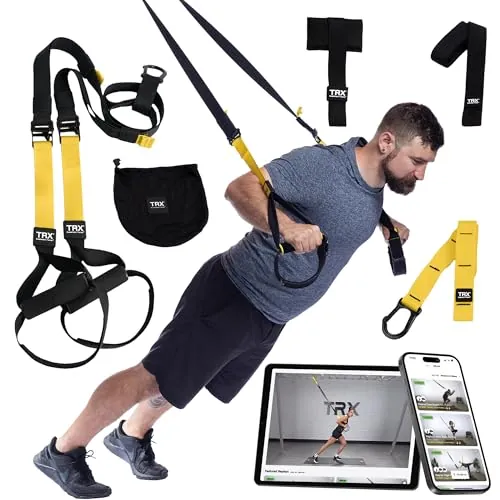
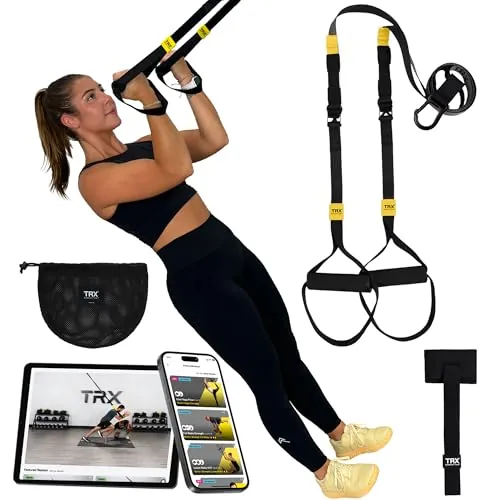
TRX All-In-One Home Gym System
- Highly versatile suspension trainer for full-body bodyweight workouts in one kit
Comparison
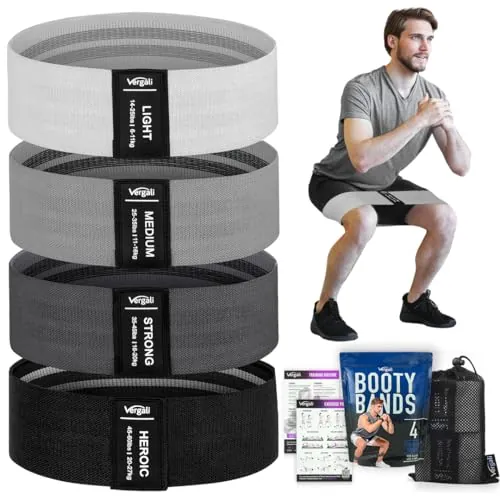
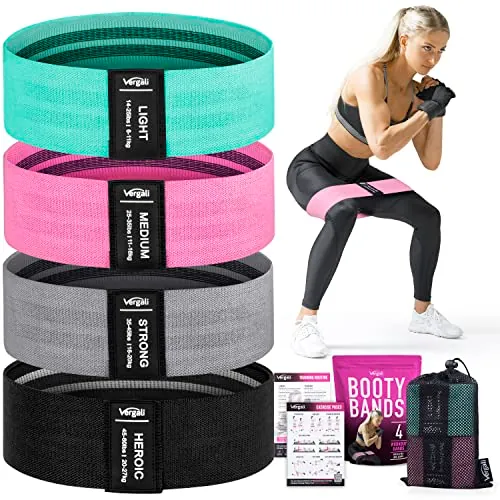
TRX All-In-One is a suspension training kit built for full-body bodyweight workouts at home or outdoors, while Vergali’s set is a four-pack of fabric mini bands aimed at legs, hips, and glute-focused training. Both are portable and highly rated, but TRX offers wider exercise variety and guided programming, whereas Vergali is simpler, more comfortable for many users, and far cheaper.
#1 Overall Winner
Contender
Choose TRX All-In-One if you want a compact “home gym” feel with full-body exercise variety and guided programming, and you have a reliable anchor point. Choose Vergali Resistance Bands if you want comfortable, non-slip mini bands for legs and glutes, fast setup, and strong value for money.
Overall winner
Depends on your needs
| Feature | TRX All-In-One Home Gym System | Vergali Resistance Bands Set (4 Fabric Booty Bands) | Winner |
|---|---|---|---|
| Category / type | Suspension trainer home gym kit | Fabric mini resistance bands (4-pack) | Depends |
| Primary training focus | Full-body strength, HIIT-style circuits, core | Legs/glutes/hips accessory work | TRX All-In-One Home Gym System |
| Resistance / progression method | Body angle + strap length + exercise selection | Four labeled resistance levels | Depends |
| Setup requirements | Needs a secure door/beam/tree anchor | No anchor; loop around legs | Vergali Resistance Bands Set (4 Fabric Booty Bands) |
| Included guidance | App trial + workout guide + DVD | Printed workout guide | TRX All-In-One Home Gym System |
| Portability | Very portable; includes mesh travel bag | Very portable; includes carry case | Tie |
| Space efficiency | Stores compactly; minimal footprint when used | Tiny storage; use anywhere | Tie |
| Comfort (typical use) | Handle comfort varies; technique dependent | Fabric feel; designed to avoid pinching/rolling | Vergali Resistance Bands Set (4 Fabric Booty Bands) |
| Grip / staying in place | Handles and strap grip (user-dependent) | Non-slip, non-rolling material | Vergali Resistance Bands Set (4 Fabric Booty Bands) |
| Stability / security | Stable when properly anchored; setup matters | Stable around legs; stays put | Depends |
| Durability feedback | Many reports of lasting years | Often described as sturdy and long-lasting | Tie |
| Value for money | Higher upfront cost; broad capability | Low cost; strong satisfaction for the price | Vergali Resistance Bands Set (4 Fabric Booty Bands) |
| Best for beginners | Beginner-friendly with guidance, but needs setup/form learning | Very beginner-friendly and quick to use | Vergali Resistance Bands Set (4 Fabric Booty Bands) |
| Best for advanced variety | High variety; can be made very challenging | Best as accessory; range of motion can be limiting | TRX All-In-One Home Gym System |
Both products can be used for lighter recovery-day movement, but neither is designed as a recovery-only item. TRX can scale down intensity by changing body angle, which can help with gentle strength and mobility sessions. Vergali’s bands are frequently used for physio-inspired leg and hip exercises at home and are praised for comfort and staying put. If you want broader movement options for low-impact sessions, TRX is more versatile; for straightforward banded activation, Vergali is simpler.
For overall training use, TRX acts more like a compact home gym: you can build sessions around full-body pushes, pulls, hinges, squats, and core work by changing body position and strap length. Vergali’s mini bands fit best as an add-on for targeted leg/glute work, activation before lifting, or quick home circuits with minimal friction. If you want one product to cover the widest range of workouts, TRX is usually the more complete solution; if you want a simple tool to make lower-body work more consistent, the bands are easier to deploy daily.
Both products can support strength-focused training, but they emphasize different strength qualities. TRX supports scalable bodyweight strength through leverage and exercise selection, making it useful for upper body, lower body, and core in one system. Vergali’s bands are strongest for lower-body accessory tension—especially glute and hip-focused work—where the loop format helps cue knee tracking and hip engagement. For balanced full-body strength routines, TRX is typically the better fit; for glute/leg add-ons and warm-ups, the bands are more straightforward.
Neither product is a cardio machine, but TRX is better suited to higher-tempo circuit training because it supports rapid exercise transitions across multiple muscle groups once it’s anchored. Vergali’s mini bands can raise heart rate in lower-body circuits, but they’re most commonly used for activation and accessory sets rather than sustained conditioning. If your goal is HIIT-style sessions with lots of movement variety, TRX is usually the more practical tool.
TRX can fit into mobility and flexibility work by assisting range-of-motion drills and controlled stretching positions when anchored securely. Vergali’s mini bands are more commonly used to add light resistance to mobility patterns and to cue hip stability, but they may feel limiting for some movements compared with longer, more flexible band types. If you want a tool that can assist stretching positions and body control drills, TRX tends to be more versatile; if you want quick activation that supports movement quality, Vergali can work well.
Neither product is a dedicated recovery tool, but both can be used in lighter sessions. TRX can support low-intensity mobility and controlled strength work by reducing load through body positioning, which some users may find helpful for rebuilding consistency. Vergali’s mini bands are often used in physio-style routines and gentle activation work at home. If you want more ways to scale and assist movements, TRX has the broader range; for simple banded rehab-style drills, Vergali is easier.
TRX performs best when you want one system that enables many exercises with meaningful difficulty changes using body angle and strap adjustment. Reviews repeatedly highlight the “almost no limit” exercise variety and solid, sturdy feel when used regularly. Vergali’s performance is more specific: it excels at staying in place and providing consistent loop-band tension for leg and glute exercises, with many buyers praising the resistance distribution across the set. If “performance” means full-body capability, TRX leads; if it means reliable non-slip mini bands, Vergali stands out.
TRX offers stronger built-in training support because it pairs the hardware with multiple starter resources and an app trial featuring a large library of guided sessions. That can help users follow structured workouts and progress without guessing. Vergali supports training through simplicity: four labeled levels, a printed guide, and quick setup reduce barriers to consistent use. TRX is better if you want programming and variety; Vergali is better if you want a fast, low-friction tool you can use anytime.
For strength training, TRX is the more complete platform because it supports both upper- and lower-body strength patterns (including pulling and pressing variations) plus substantial core demand. Difficulty can be progressed smoothly by changing leverage and movement complexity. Vergali’s set is best viewed as an accessory strength tool—excellent for glute/hip tension, squat pattern support, and adding resistance to specific lower-body movements. If you want one purchase to anchor a full routine, TRX has the edge.
TRX is better aligned with conditioning because it can link multiple full-body exercises into interval circuits once anchored, which can make workouts feel more “metabolic” without needing machines. Vergali’s mini bands can be used in fast lower-body circuits, but the format is typically more localized and may be limited by the band’s range of motion and exercise selection. For cardio-style intervals and full-body flow, TRX is generally the stronger option.
TRX can function as a support tool for mobility by assisting balance and allowing controlled stretching positions, as long as the anchor is secure. Vergali’s bands can help cue hip stability and add light resistance to movement prep, and many users report they’re comfortable on skin and don’t roll. However, at least one review mentions limited flexibility compared with “regular” bands, which can reduce range for certain drills. If mobility variety is the goal, TRX tends to be more adaptable.
Both products can be used for lighter recovery-day movement, but neither is designed as a recovery-only item. TRX can scale down intensity by changing body angle, which can help with gentle strength and mobility sessions. Vergali’s bands are frequently used for physio-inspired leg and hip exercises at home and are praised for comfort and staying put. If you want broader movement options for low-impact sessions, TRX is more versatile; for straightforward banded activation, Vergali is simpler.
Both products appear generally safe when used as intended, but the key risks differ. TRX safety depends heavily on correct anchoring and good exercise form; it does list a high maximum weight recommendation and is described as safety tested, which helps, but users still need a secure door/beam/tree setup. Vergali’s bands reduce some common mini-band issues through a non-slip, non-rolling design, but users should still choose appropriate resistance and control movement to avoid strain. Neither dataset provides detailed safety warnings beyond these practical considerations.
Vergali is the comfort leader based on the data provided: buyers consistently mention no pinching, no rolling, and a comfortable feel on skin. TRX comfort depends more on how you use it—hand/forearm pressure, handle foam feel, and body positions under suspension. Some users prefer more rigid handles or upgraded models, but overall feedback still supports it as practical for many fitness levels. If comfort is your top priority, the bands are the safer bet.
Vergali is simpler to use day one: pick a resistance level, loop it, and start, with a printed guide for reference. TRX is still user-friendly, but it involves anchoring, adjusting strap length, and learning setup for different movements; many users rely on videos to learn form and transitions. If you want minimal setup and quick sessions, Vergali wins; if you’re willing to learn the setup for more exercise options, TRX becomes very efficient.
Vergali’s bands have an advantage for stability in use because they’re designed to be non-slip and non-rolling, and reviewers frequently confirm they stay in place. TRX can be very stable, but stability depends on choosing a secure anchor point and setting the straps correctly. In other words, Vergali’s stability is mostly built into the product, while TRX stability is a combination of product quality and user setup.
Grip is a bigger factor with TRX because you’re holding handles for many movements; user comfort and control can vary based on sweat, technique, and hand position, and one review mentions the foam and handle feel. With Vergali, “grip” shows up as the band’s ability to stay put on the legs, which is repeatedly praised. If you want worry-free “stays in place” grip, Vergali is stronger; if you want hand-held grip for pulling and pressing patterns, TRX is the relevant choice.
TRX is more adjustable in practice because you can change strap length and scale resistance continuously by altering body position relative to the anchor. Vergali offers four fixed resistance levels, which is simple and effective, but less granular. If you want fine control over difficulty and a wider range of movement setups, TRX is the more adjustable system.
Both products are excellent for small spaces. TRX stores compactly and turns a doorway or outdoor anchor point into a workout station without needing a large footprint. Vergali’s bands take up virtually no room and can be used anywhere in a room without relying on an anchor. If you have limited storage, both work; if you have limited anchor options, the bands are more universally space-friendly.
Both are quiet, making them suitable for apartments and shared spaces. Vergali’s bands are essentially silent in use. TRX is also low-noise compared with weights and machines, though door anchoring and strap movement can create minor sound depending on the surface. If absolute quiet is the goal, the bands are the safest choice.
Build quality looks strong on both, but in different ways. TRX is frequently described as sturdy “serious gear,” and it uses hardware plus straps/handles designed for suspension loading, with many reports of multi-year use. A minority note that handle rigidity and foam feel less premium than higher-end versions, but still functional. Vergali’s bands are repeatedly called well-made and thick, with consistent feedback that they don’t roll and feel durable during workouts. For complex hardware, TRX stands out; for simple, well-finished bands, Vergali impresses.
Both products show strong durability signals in buyer feedback. TRX users commonly report years of regular use with the system still working well, suggesting good strap/hardware longevity when used and anchored correctly. Vergali’s bands are often described as durable and not ripping, though long-term wear will depend on stretching, washing, and how aggressively they’re used. If you want a long-term “system,” TRX has more multi-year testimonials; for a low-cost accessory that holds up, Vergali performs well.
Maintenance is minimal for both. TRX mainly requires keeping straps/handles clean, checking hardware condition, and ensuring anchors are in good shape before sessions. Vergali’s bands require basic care to keep fabric and elasticity in good condition and to store them in the included case. Neither product has complex maintenance needs like lubrication or charging, so ongoing upkeep is low.
Both are very portable. TRX is designed for travel and includes a mesh carry bag, with reviews describing hotel-room use by anchoring over doors. Vergali’s set is even smaller and includes a carry case, making it easy to throw into a gym bag for warm-ups or quick sessions. Choose TRX when you want portability plus maximum exercise variety; choose Vergali when you want the lightest, simplest packable option.
For equipment, “transparency” mainly means material clarity and what’s included. TRX lists its materials (nylon, thermoplastic rubber, steel), maximum weight recommendation, and included components (anchors, bag, guides). Vergali lists its material type (fabric and latex) and provides specific tension ranges for each resistance level. Vergali is more explicit about the resistance specifications, while TRX provides clearer detail on included training resources and load rating.
Vergali offers stronger value for most shoppers because it’s inexpensive, includes four resistance levels, and earns consistent praise for comfort, non-slip performance, and durability. TRX costs substantially more, but it also functions as a broader “system” with anchors, guides, and app-based training support that can replace multiple pieces of equipment for some users. If you’ll use TRX as your primary training tool, its value improves; if you mainly want lower-body band work, Vergali is the more efficient buy.
TRX shows stronger brand trust indicators in the provided data, including a stated two-year warranty and long-standing use in high-performance settings (not the same as proof of outcomes, but it signals category experience). Vergali has excellent review volume and sentiment, but fewer brand/support details are provided in the listing data. If brand history and documented support matter, TRX has the clearer case here.
Both products have very high star ratings with large review counts, suggesting strong overall satisfaction. TRX reviews emphasize workout variety, portability, and long-term durability, with the most common drawback being price. Vergali reviews repeatedly praise comfort, non-roll performance, and clear resistance labeling, with a smaller number of negatives mentioning limited flexibility/range of motion and at least one fulfillment issue. Overall, sentiment is strongly positive for both, with different “most-loved” attributes.
Warranty/support information is clearly provided for TRX, including a stated two-year warranty. For Vergali, warranty/support details are not included in the provided product data, so it’s hard to compare support policies directly. If warranty clarity is important for your purchase decision, TRX is the safer choice based on what’s disclosed here.
TRX includes many outcome-oriented statements in its description, but the strongest support in the data is for practical claims: portability, anchor versatility, exercise variety, adjustability, and durability are repeatedly reinforced by user feedback and the included components. Vergali’s claims about comfort, non-slip use, and four resistance levels are well aligned with listed materials/features and repeated review themes. Neither product provides clinical evidence for body composition or performance outcomes, so it’s best to interpret those as potential training uses rather than guaranteed results.
Final verdict: TRX All-In-One is the better pick for most people who want a true “do-it-all” portable home gym, because it supports full-body training variety, scalable difficulty, and guided programming resources. Its main limitation is that the experience depends on safe anchoring and learning good form, and some buyers consider it expensive.
Vergali Resistance Bands are the smarter choice if you want a comfortable, non-slip mini-band set primarily for glutes/hips/legs, with extremely simple setup and strong value. Their main limitation is that loop bands are inherently more specialized and may limit range of motion compared with other band styles. Neither product is universally “best”—the right choice depends on how you train.

Overall winner
Depends on your needs
It depends on what you want to train. TRX is the better pick if you want one tool for full-body workouts (push, pull, core, lower body) using suspended bodyweight and an anchor setup. Vergali’s bands are better if your priority is simple, comfortable lower-body work (glutes/hips/thighs), warm-ups, and quick sessions with minimal setup and low cost.
Both are very small-space friendly, but they solve it differently. TRX stores compactly and can hang from a door or other anchor, giving you a lot of exercise variety without a footprint. Vergali’s bands take almost no space at all and work anywhere you can stand or lie down. If you can’t rely on an anchor point, the bands are simpler.
Vergali’s set is generally easier to start with because there’s almost no setup and the four resistance levels are clearly labeled. TRX can still work for beginners because it’s scalable, but it does require learning basic strap setup, choosing safe anchor points, and dialing in form. Several reviews suggest coaching or guided videos help you get more from TRX early on.
Neither product is a direct replacement for free weights for everyone. TRX can deliver challenging strength work through leverage, tempo, and exercise selection, but it’s still bodyweight-based. Vergali’s mini bands are best as an accessory tool for lower-body activation and added tension, rather than a complete strength system. If you want heavy loading progression, you may still prefer weights.
Vergali’s fabric booty bands are purpose-built for leg, hip, and glute exercises and are repeatedly praised for staying in place and not rolling. TRX can train legs and glutes too, but it’s a broader full-body system rather than a dedicated hip-circle style tool. For quick glute activation circuits, Vergali is typically the more direct option.
Both are designed to be travel-friendly. TRX is lightweight and includes a mesh travel bag, and reviewers mention using it in hotels by anchoring it over a door. Vergali’s bands are even simpler to pack and include a carry case. If you want the most exercise variety on the road, TRX tends to offer more; for the simplest pack-and-go option, bands win.
Support is strongest where it’s tied to clear features and repeatable user feedback. TRX’s versatility and portability are supported by included anchors, adjustable straps, and many reviews describing wide exercise variety and long-term durability. Vergali’s non-slip, comfort, and multi-resistance positioning are supported by the fabric/latex materials, four resistance levels, and repeated comments about staying in place and not pinching.
Both show strong durability signals in reviews. TRX buyers frequently mention multi-year use and “serious gear” feel, while Vergali buyers commonly describe the bands as sturdy and not ripping. The main practical difference is wear type: TRX involves hardware/handles/straps and depends on proper anchoring, while mini bands are simpler but can be limited by stretching and fabric wear over time.
Check our rankings and expert guides to find the best fitness products for your goals.