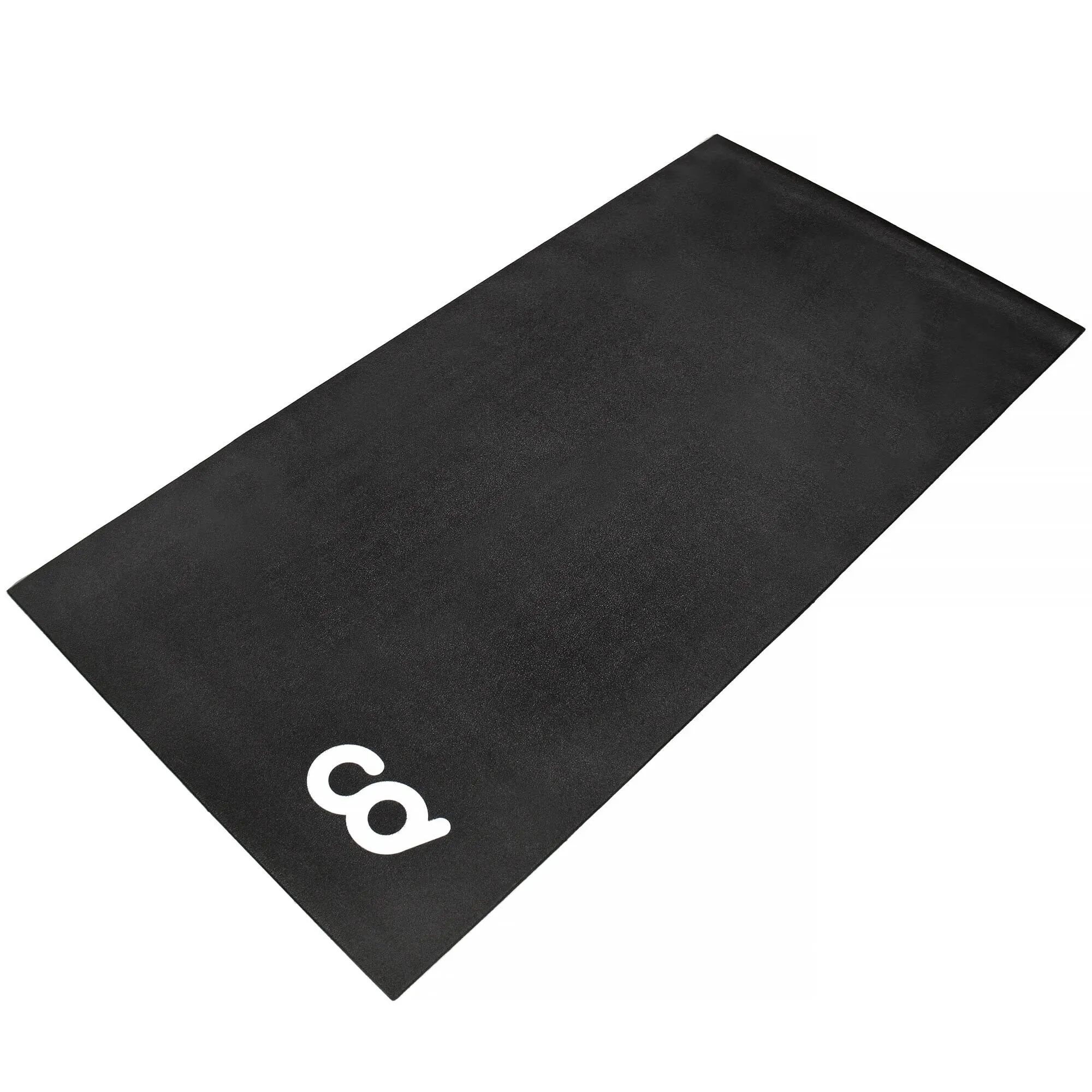
#1 Overall Winner
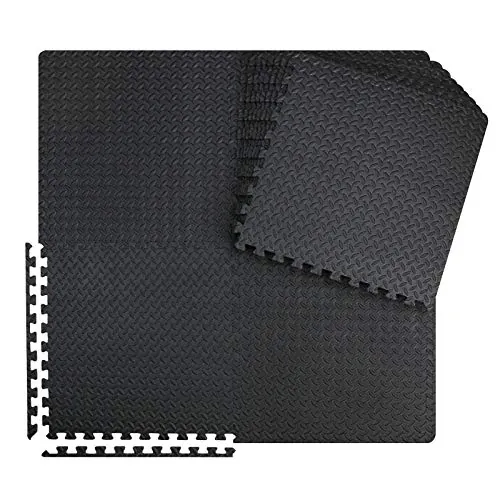
CyclingDeal Bike Trainer Floor Mat (30" x 60", 7mm)
- Thick, equipment-focused mat designed to protect floors from vibration, dirt, and wear under cardio machines.
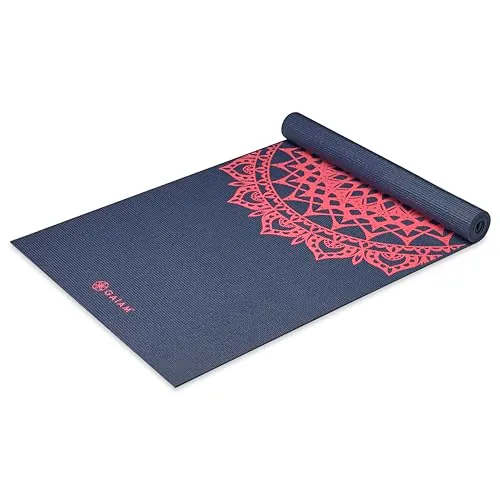
Comparison
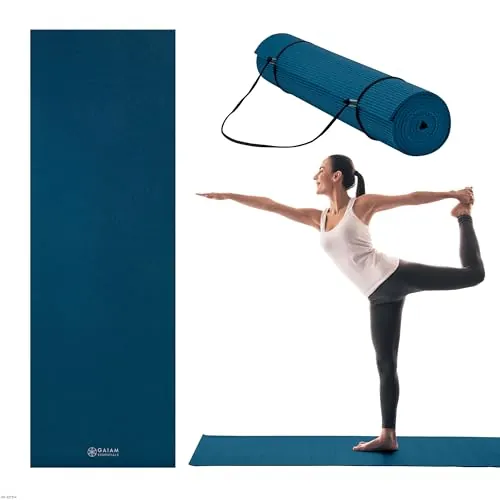
CyclingDeal’s Bike Trainer Floor Mat and the Gaiam Print Yoga Mat are both budget-friendly workout mats, but they’re built for different jobs. CyclingDeal is a thicker, wider mat aimed at protecting floors under indoor bikes and other cardio equipment, while Gaiam is a longer, lighter mat designed for yoga, Pilates, and floor exercise. Your best choice depends on whether you need equipment protection or a comfortable practice surface.
#1 Overall Winner
Contender
Pick CyclingDeal if you need a thicker, wider mat to live under a spin bike or other cardio equipment and want easy sweat cleanup. Pick Gaiam if you want a lightweight, longer mat mainly for yoga, Pilates, and floor exercise. Grip and odor feedback are mixed for both, but Gaiam shows more variability in user reports.
Overall winner
Depends on your needs
| Feature | CyclingDeal Bike Trainer Floor Mat (30" x 60", 7mm) | Gaiam Print Yoga Mat (68" x 24", 4mm) | Winner |
|---|---|---|---|
| Category / main use | Trainer/equipment floor mat | Yoga/Pilates exercise mat | Depends |
| Price (listed) | $29.99 | $24.99 | Gaiam Print Yoga Mat (68" x 24", 4mm) |
| Review volume | 9,100 reviews | 12,387 reviews | Gaiam Print Yoga Mat (68" x 24", 4mm) |
| Average star rating | 4.8/5 | 4.5/5 | CyclingDeal Bike Trainer Floor Mat (30" x 60", 7mm) |
| Dimensions (L x W) | 60" x 30" | 68" x 24" | Depends |
| Thickness | 7mm (0.27") | 4mm (0.16") | CyclingDeal Bike Trainer Floor Mat (30" x 60", 7mm) |
| Weight / portability | 3.8 lb | 2.09 lb | Gaiam Print Yoga Mat (68" x 24", 4mm) |
| Waterproof / sweat protection | Stated 100% waterproof | Not specified as waterproof | CyclingDeal Bike Trainer Floor Mat (30" x 60", 7mm) |
| Grip / traction feedback | Mostly stable; a few disputes | Mixed; some report slipping | Depends |
| Best fit under cardio equipment | Designed for bikes/treadmills/rowers/steppers | Designed for yoga/Pilates | CyclingDeal Bike Trainer Floor Mat (30" x 60", 7mm) |
| Best fit for yoga flows | Works for stretching; shorter length | Yoga/Pilates-specific size and texture | Gaiam Print Yoga Mat (68" x 24", 4mm) |
| Care / cleaning | Damp cloth; avoid harsh chemicals/bleach | Spot clean; dry flat; avoid sun exposure | CyclingDeal Bike Trainer Floor Mat (30" x 60", 7mm) |
| Odor notes | Light smell initially (per listing) | Strong but harmless odor; air out 2–3 days | CyclingDeal Bike Trainer Floor Mat (30" x 60", 7mm) |
| Warranty info | 2-year warranty stated | Not provided | CyclingDeal Bike Trainer Floor Mat (30" x 60", 7mm) |
Gaiam tends to support recovery-style sessions (stretching, yoga-based cooldowns, Pilates mobility) more effectively because it’s a dedicated practice mat with more length for full-body positions. CyclingDeal can be a comfortable option for quick cooldowns near your bike, and its thicker construction may feel supportive on harder floors. If your “recovery” mainly happens right after indoor cycling, keeping CyclingDeal under the bike can reduce setup friction.
CyclingDeal functions best as a home gym equipment base: it’s built to sit under an indoor bike or similar cardio unit to protect flooring and reduce movement. Gaiam functions best as a practice surface for yoga, Pilates, and bodyweight work where mat length, portability, and pose traction matter more than equipment footprint. If you do both machine cardio and floor sessions, these two mats can be complementary rather than direct substitutes.
Neither product is a dedicated strength-training tool, but they can affect how strength sessions feel on the floor. CyclingDeal’s thicker build can help when you’re doing bodyweight work next to equipment, and its larger width can be useful for general home gym coverage. Gaiam is more suited to controlled floor strength (core work, push-up variations, Pilates-style strength) where a longer mat helps, though some users may want more thickness for knees and wrists.
For cardio equipment use, CyclingDeal is the more direct match: it’s described as compatible with spin bikes, treadmills, rowers, and steppers, and it’s built to protect floors from sweat and vibration. Gaiam is primarily a yoga/Pilates mat; while you can do floor-based cardio on it, it is not positioned as a protective equipment mat. If your cardio is mainly indoor cycling, CyclingDeal aligns better with that setup.
Gaiam is designed for yoga and Pilates, so its longer 68" length and textured surface are better aligned with mobility flows, stretching sequences, and pose practice. CyclingDeal can still work for stretching (the listing notes it’s suitable for pre- and post-exercise stretching), but the shorter length and equipment-first shape make it less ideal as a primary yoga mat—especially for taller users or full-body flows.
For recovery sessions like stretching, breathwork, and gentle mobility, Gaiam is typically the more natural fit because it’s a dedicated yoga/Pilates mat with a longer practice surface. CyclingDeal can support basic stretching and cooldowns, and the extra thickness may feel supportive for some positions. Neither product provides recovery “features” beyond cushioning and traction, so your decision mainly comes down to dimensions, grip feel, and how you’ll store and use the mat.
CyclingDeal’s performance is strongest when used as intended: under a stationary bike or other cardio unit where waterproofing, thickness, and surface toughness matter. Buyer feedback repeatedly points to solid floor protection and good real-world durability, including under cleats. Gaiam performs best as a yoga/Pilates mat for general floor exercise, but reviews are more split on whether the mat feels grippy enough and thick enough—especially in sweatier classes. For equipment stability and floor protection, CyclingDeal tends to be the more dependable performer.
CyclingDeal supports training by reducing friction in your setup: it’s easy to wipe down, sized for common indoor bike footprints, and many users treat it as a “set and forget” base for frequent cardio sessions. Gaiam supports training by encouraging consistent floor practice: it’s lightweight to carry, rolls up easily, and its length suits yoga/Pilates programming. If you want a mat that mainly supports equipment-based workouts, CyclingDeal is typically more helpful; if you want a mat that supports regular mobility or Pilates routines, Gaiam fits better.
For floor-based strength work, Gaiam’s longer layout is a practical advantage for planks, Pilates sequences, and full-body circuits where you move up and down the mat. CyclingDeal’s extra thickness can feel more protective on hard floors, but the equipment-mat format is less “flow friendly.” If your strength sessions are mostly next to (or under) cardio equipment, CyclingDeal makes sense; if they’re mostly mat-based, Gaiam is usually the better fit.
Cardio performance here is mostly about how well the mat supports your equipment and reduces annoyance during workouts. CyclingDeal is described for heavy cardio units and is designed to help prevent slipping while also absorbing vibration, with many users confirming good stability and floor protection. Gaiam isn’t positioned for equipment use; its performance in cardio contexts is more about floor exercises rather than supporting a machine base.
Gaiam is better aligned with mobility practice thanks to its yoga-specific dimensions and surface texture designed for traction in poses. It’s also lightweight, which helps if you take it to classes or move rooms often. CyclingDeal can still be used for stretching, and the thicker feel can be comfortable, but its shorter length and equipment-first footprint make it less versatile for longer yoga flows or positions that need more mat length.
Gaiam tends to support recovery-style sessions (stretching, yoga-based cooldowns, Pilates mobility) more effectively because it’s a dedicated practice mat with more length for full-body positions. CyclingDeal can be a comfortable option for quick cooldowns near your bike, and its thicker construction may feel supportive on harder floors. If your “recovery” mainly happens right after indoor cycling, keeping CyclingDeal under the bike can reduce setup friction.
For CyclingDeal, the main safety factor is equipment stability: a mat that stays flat and resists sliding can help reduce unwanted movement during indoor cycling. Reviews are mostly positive but not unanimous, so it’s worth checking your floor type and cleaning any dust/sweat that could reduce traction. For Gaiam, safety is tied to pose traction: several users report strong grip, but others report slipping (notably in hot yoga). Both products mention initial odor; airing out as recommended can make first use more comfortable.
CyclingDeal’s extra thickness can feel more cushioned underfoot and is often described as thick enough to protect wood floors without being overly soft. Gaiam’s 4mm thickness is comfortable for many users, but others find it thin—especially for knees and wrists. For pure cushioning, CyclingDeal tends to feel more protective; for yoga-style firmness and balance, Gaiam may feel more “connected” to the floor.
CyclingDeal is simple to use as a permanent base: unroll it, place equipment on top, and wipe it clean after sweaty sessions. Gaiam is easy to roll up and carry, and spot cleaning is straightforward, but it commonly requires a longer airing-out period when new. Both are low-fuss overall; Gaiam wins for portability, while CyclingDeal wins for “set it under the machine and forget it” convenience.
Stability matters most under equipment, and CyclingDeal is designed around staying put under a stationary bike or trainer. Many reviews describe it as laying flat and not slipping, though at least one user reports the mat moving during workouts. Gaiam’s stability is more about staying anchored during poses; feedback is mixed, with some users praising grip and others slipping in hot yoga. Floor type and sweat levels can affect both.
Gaiam’s “sticky” textured surface is intended to improve traction for hands and feet during yoga and Pilates, but real-world grip reviews are mixed—some users feel very stable while others report slipping. CyclingDeal’s grip focus is preventing equipment movement; many users report good stability, though a minority dispute the anti-slip claim. If your main concern is pose traction, Gaiam is the relevant design; if it’s equipment traction, CyclingDeal is the relevant design.
Gaiam is more space-efficient for storage because it’s lightweight and designed to roll up tightly for closets, corners, or a mat bag. CyclingDeal takes more room when stored due to its wider footprint and thicker build, but it’s space-efficient in a different way: it can reduce mess and floor wear by living under a single cardio machine without needing daily setup.
Noise reduction is more relevant to CyclingDeal, since it’s marketed for absorbing vibration under cardio equipment. Buyer feedback suggests it can help, but at least one review reports no meaningful difference versus a standard yoga mat. The Gaiam listing doesn’t position the mat as a noise-reduction tool. If noise is a key goal, results may vary by flooring and machine type.
CyclingDeal is positioned as a heavy-duty equipment mat with a hardened top layer and thicker construction, and reviews frequently reinforce that it feels high quality and stands up to real indoor-bike use. Gaiam’s build quality is more mixed: many users find it durable enough for regular practice and easy to clean, but the aggregated feedback also includes reports of the mat feeling thin or wearing sooner than expected. For under-equipment robustness, CyclingDeal has the clearer build-quality edge.
CyclingDeal shows more consistent durability signals for its intended job: users mention it holds up under heavy bikes and even cycling cleats, and impressions from equipment weight can rebound over time. Gaiam’s durability feedback varies more, with some buyers saying it holds up well and others reporting early breakdown after limited classes. If you expect heavy loads or frequent friction from equipment, CyclingDeal is the safer durability bet based on the provided reviews and positioning.
CyclingDeal maintenance is straightforward: it’s waterproof and the care instructions emphasize wiping with a damp cloth and avoiding harsh chemicals/bleach. Gaiam maintenance is also simple (spot clean and dry flat), but it includes more cautions—particularly avoiding extended sun exposure to reduce fading and brittleness risk. If you want the simplest wipe-clean routine for sweaty cardio use, CyclingDeal is easier to manage day to day.
Gaiam is the more portable option: it’s lighter and designed for rolling up and taking to class. CyclingDeal is still movable, but at a higher weight and with an equipment-mat footprint, it’s better suited to staying in one spot under a bike or trainer. If you commute to yoga/Pilates sessions, Gaiam is the practical choice.
Gaiam provides clearer material and safety-adjacent disclosures in the listing: it specifies PVC and highlights being manufactured free of six named phthalates. CyclingDeal’s listing emphasizes “new PVC” and describes performance properties (waterproof, non-slip), but the specifications also list the material as “Aluminum,” which conflicts with the description and makes the material picture less clear. If material disclosure is a priority, Gaiam is more straightforward based on the provided data.
Both mats are priced accessibly and have strong overall buyer sentiment, but “value” depends on your use case. CyclingDeal tends to deliver better value if you need a thicker, waterproof base under heavy cardio equipment, especially given the consistent feedback around durability and floor protection. Gaiam tends to deliver better value for yoga/Pilates users who want a lightweight, attractive mat at a low price—though the trade-off is more mixed feedback on thickness, grip, odor, and longevity.
Both products have large review footprints, which helps reduce uncertainty. CyclingDeal’s listing provides a clear warranty statement and has very consistent high buyer ratings around its intended use. Gaiam shows strong reach and a long-standing presence in yoga accessories, with clear material disclosures and many reviews, but feedback is more variable on durability and grip. If you prioritize consistency for an equipment mat, CyclingDeal looks steadier; if you prioritize yoga-focused product positioning and disclosures, Gaiam is clearer.
CyclingDeal’s buyer sentiment is notably consistent: many reviewers call it high quality, durable, and a great fit for indoor bikes, with frequent “good value” comments. Complaints exist but appear less common, focusing on slipping or limited noise reduction for some setups. Gaiam has a very large review count and many satisfied users, but the common negatives show more repetition: strong odor, thin feel, occasional slipping (especially with sweat), and some durability issues. Overall satisfaction trends more consistently positive for CyclingDeal.
CyclingDeal explicitly states a 2-year warranty in the product details, which strengthens post-purchase confidence for an item used under heavy equipment. Warranty details are not provided for the Gaiam Print Yoga Mat in the supplied data, so it’s harder to compare support terms directly.
CyclingDeal makes practical, testable claims (waterproofing, floor protection, vibration absorption, non-slip) and has substantial customer feedback supporting floor protection and durability; however, non-slip and noise reduction are disputed by a small number of reviewers. Gaiam’s claims (non-slip texture, cushioning, portability, and “6P free” disclosures) align with many positive user reports on grip and comfort, but there is also meaningful contradictory feedback about slipping, thinness, and durability. In both cases, claims are partially supported but not universally confirmed across users.
CyclingDeal Bike Trainer Floor Mat is the better overall choice if your goal is protecting floors and stabilizing cardio equipment. Its main strength is its thicker, equipment-oriented build with strong durability feedback (including under cleats) and easy waterproof cleanup; its main limitation is that a minority of users dispute the anti-slip/noise benefits and the material listing is not perfectly consistent.
Gaiam Print Yoga Mat is the better pick for yoga, Pilates, and portable floor exercise. Its main strength is a longer, lightweight format with practice-focused traction design and clear phthalate-related disclosures; its main limitation is more variable buyer feedback on grip, thickness feel, odor, and durability. There isn’t one “best” mat here—match the mat to the job.
Overall winner
Depends on your needs
It depends on how you’ll use it. CyclingDeal is built around protecting floors under heavy cardio equipment (and is thicker), while the Gaiam mat is sized and designed for yoga/Pilates practice and portability. If you need a mat to live under a spin bike or trainer, CyclingDeal is typically the more practical pick.
The CyclingDeal mat is specifically described as suitable for heavy spin bikes and compatible with cycling shoes with cleats, plus it’s waterproof for sweat protection. The Gaiam mat is primarily a yoga/Pilates mat and isn’t positioned as an equipment-protection trainer mat, so it’s usually a less direct match for indoor cycling setups.
The Gaiam Print Yoga Mat is purpose-built for yoga, Pilates, and floor exercise, with a longer 68" length and a textured surface intended for traction in poses. The CyclingDeal mat can work for stretching, but its dimensions and “equipment mat” design are less tailored to full-length yoga flows.
Yes. Both products mention an initial odor after unboxing. CyclingDeal notes a light smell for new PVC mats that should fade quickly, while Gaiam notes a strong but “harmless” odor and recommends unrolling and airing out for 2–3 days before use.
Based on the intended use and buyer feedback provided, CyclingDeal appears more consistently suited to heavy cardio equipment, including users who mention it holds up against cleats. Gaiam’s durability feedback is more mixed, with some reviews reporting the mat wearing quickly, which matters if you plan to place equipment on it.
The Gaiam mat is lighter and designed to roll up for yoga-class portability, which many buyers appreciate. The CyclingDeal mat is larger and heavier, and it’s commonly used as a semi-permanent floor protector under bikes or trainers rather than something you carry frequently.
Not completely. CyclingDeal has many reports of stable, non-slip use, but at least one review disputes the anti-slip benefit. Gaiam’s grip feedback is notably mixed: some users praise traction, while others report slipping (including in hotter classes). Your floor type and sweat level can change results.
Both are priced as budget-friendly mats with strong overall buyer sentiment. CyclingDeal tends to offer better value if your goal is floor protection under cardio equipment due to its thickness and equipment-first design. Gaiam tends to offer better value if you primarily want a lightweight yoga/Pilates mat with a longer practice surface.
Check our rankings and expert guides to find the best fitness products for your goals.