#1 Overall Winner
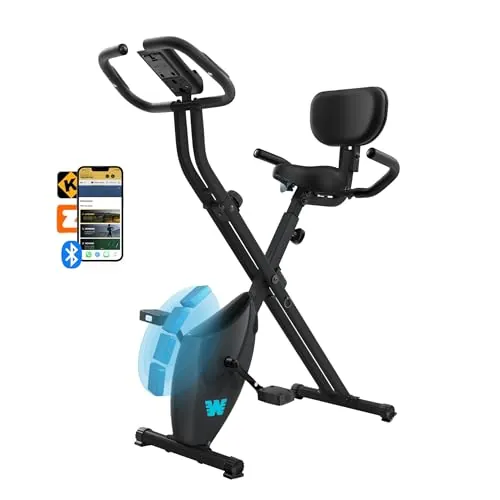
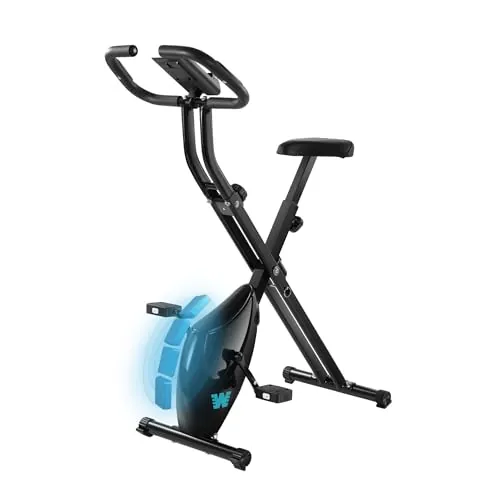
BARWING Stationary Exercise Bike
- Foldable frame is practical for compact home workout areas.
Comparison
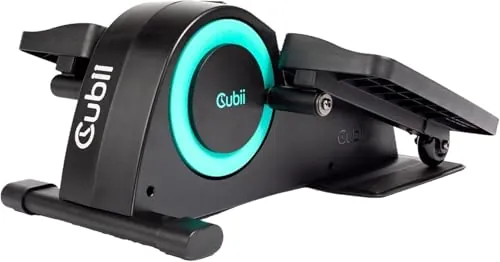
BARWING and Cubii JR1 are both quiet, compact seated cardio options, but they serve different routines. BARWING is a foldable stationary bike for dedicated home cycling, while Cubii JR1 is an under-desk elliptical for low-impact movement while working or relaxing. Choose BARWING for more adjustability, structured workouts, and storage flexibility. Choose Cubii JR1 for the simplest way to pedal consistently from a chair.
#1 Overall Winner
Contender
Choose BARWING if you want a foldable bike for scheduled home cardio, more fit adjustments, and app-compatible rides. Choose Cubii JR1 if your priority is quiet, low-impact pedalling while seated at a desk or watching television. Cubii is easier to integrate into daily life; BARWING is more versatile for workout-focused use.
Overall winner
Depends on your needs
| Feature | BARWING Stationary Exercise Bike | Cubii JR1 Under Desk Elliptical | Winner |
|---|---|---|---|
| Primary use | Dedicated seated indoor cycling | Seated under-desk elliptical movement | Depends |
| Resistance options | 16 magnetic levels | 8 manual levels | BARWING Stationary Exercise Bike |
| Cardio training | Upright and supported cycling modes | Low-impact seated pedalling | BARWING Stationary Exercise Bike |
| Desk-work compatibility | Not designed for desk use | Designed for under-desk use | Cubii JR1 Under Desk Elliptical |
| Storage | Foldable and wheelable | Compact but non-folding | BARWING Stationary Exercise Bike |
| Portability | Foldable design with mobility feature | 25.4 lb unit with carry handle | BARWING Stationary Exercise Bike |
| Noise | Magnetic belt-drive design; quiet feedback | Frequently described as quiet and smooth | Tie |
| Adjustability | Resistance, seat height, seat angle, riding mode | Resistance dial | BARWING Stationary Exercise Bike |
| Ease of use | Partly pre-assembled, but more setup and adjustments | Minimal assembly and simple seated use | Cubii JR1 Under Desk Elliptical |
| Comfort | Backrest and adjustability; mixed seat feedback | Seated elliptical format with positive comfort feedback | Cubii JR1 Under Desk Elliptical |
| Connected features | Bluetooth compatibility with Kinomap or Zwift | Manual data entry in Cubii app | BARWING Stationary Exercise Bike |
| Value | Lower provided price with broad feature set | Higher provided price with specialist desk format | BARWING Stationary Exercise Bike |
| Customer feedback | Positive feedback with some seat and resistance concerns | Very strong satisfaction and large review base | Cubii JR1 Under Desk Elliptical |
| Weight capacity | 330 lb maximum recommendation | 150 lb maximum recommendation | BARWING Stationary Exercise Bike |
The supplied data supports viewing both products as low-impact seated exercise options, not as proven recovery products. Cubii JR1 is easier to use for brief, gentle movement while already seated, which may suit users who value minimal routine disruption. BARWING offers a supported riding position and fine resistance changes for controlled cycling. Comfort should guide the choice: Cubii receives more consistently favourable comfort feedback, while BARWING’s backrest is useful but its saddle comfort varies by reviewer.
BARWING better supports a conventional training routine because it gives users a dedicated riding position, more resistance settings, and flexibility between upright and backrest-supported configurations. It can be used for steady cycling or a more structured home cardio session. Cubii JR1 is strongest when the objective is to reduce inactive seated time through frequent, low-friction pedalling. It is easier to use during work or television, but its under-desk format and lighter resistance make it less suitable as the sole cardio machine for users seeking more demanding sessions.
Neither machine is a primary strength-training tool. BARWING includes resistance bands and can add simple upper-body movements while seated, but reviews indicate that their tension may not suit everyone. Cubii JR1 can provide repeated lower-body movement at low resistance, yet it is not a replacement for progressive resistance equipment. For strength-focused training, either machine works best as a warm-up, movement break, or cardio complement rather than the main training stimulus.
BARWING is the clearer cardio choice. Its sixteen magnetic resistance levels, belt drive, upright riding mode, and flywheel-based bike format give it more potential for steady rides, intervals, and gradual progression. Cubii JR1 supports gentle seated conditioning and can make it easier to accumulate movement across the day, particularly during desk work. However, several reviews describe its resistance ceiling as light. Users pursuing more purposeful cardio sessions should favour BARWING; users prioritising low-impact activity without leaving a chair should favour Cubii.
Cubii JR1 has the more natural role in light mobility-oriented routines because its seated elliptical motion is designed for easy, low-impact use throughout the day. BARWING also offers a backrest-supported riding position that may appeal to users who prefer seated exercise, but it is larger and more workout-focused. Neither product provides stretching, yoga, or flexibility training directly. They are best viewed as tools for gentle lower-body movement rather than comprehensive mobility equipment.
Both products can fit a gentle, low-impact movement routine, but the available information does not establish recovery outcomes. Cubii JR1’s simple seated format may be easier to use for short movement breaks, while BARWING’s adjustable backrest-supported position offers another seated option for easy pedalling. Buyers should select based on comfort, clearance, and intended intensity rather than treating either machine as a medical or rehabilitation device.
For their intended purposes, both products perform well. BARWING is more capable as a compact stationary bike: its quiet magnetic belt drive, multiple riding positions, and sixteen resistance levels support a broader range of at-home cycling use. Reviews generally describe it as smooth and sturdy, although some users consider the highest setting insufficiently demanding. Cubii JR1 performs strongly as an under-desk elliptical, with repeated praise for quiet, smooth operation and reliable seated use. Its performance limitation is not build quality but intensity; it is designed for low-impact movement rather than hard conditioning.
Both machines can support consistency, but in different ways. BARWING supports intentional training through its adjustable seat, riding modes, LCD metrics, phone holder, foldable storage, and Bluetooth compatibility with named fitness platforms. Cubii JR1 reduces friction even further because it can be used while desk working or watching television; many reviewers value this ability to build movement into existing routines. BARWING is better for users who schedule workouts and want more progression. Cubii is better for users whose main challenge is finding time or motivation to start a separate session.
BARWING has a slight advantage for strength-adjacent use because its resistance bands add optional upper-body movements and its bike resistance can support lower-body muscular endurance. Still, the supplied reviews raise concerns about band tension, and the bike is not a progressive load-based strength system. Cubii JR1 offers gentle repetitive leg work from a seated position, with buyers reporting that it feels useful for daily leg movement. Neither product should be chosen primarily for strength progression; BARWING simply has the broader exercise role.
BARWING is the stronger cardio-training option because its full-bike design allows users to set aside time for continuous rides, change resistance across sixteen levels, and choose an upright position for a more conventional cycling feel. The belt and magnetic system are also frequently described as smooth and quiet. Cubii JR1 can support low-impact conditioning through frequent seated pedalling, but its eight levels are commonly viewed as modest in difficulty. It is better for accumulated daily activity than for challenging interval or endurance-focused cycling.
Cubii JR1 is the better fit for frequent, gentle lower-body movement because it can stay under a desk and be used in short bouts without preparing for a workout. Its seated elliptical format is repeatedly described as approachable and smooth. BARWING provides a broader seated cycling setup and a backrest-supported position, but it requires more room and intention to use. Neither product has features specifically designed for flexibility work, so users seeking stretching or range-of-motion training should consider dedicated mobility equipment as well.
The supplied data supports viewing both products as low-impact seated exercise options, not as proven recovery products. Cubii JR1 is easier to use for brief, gentle movement while already seated, which may suit users who value minimal routine disruption. BARWING offers a supported riding position and fine resistance changes for controlled cycling. Comfort should guide the choice: Cubii receives more consistently favourable comfort feedback, while BARWING’s backrest is useful but its saddle comfort varies by reviewer.
Both products require a stable setup and attention to the surrounding space. BARWING has a higher stated maximum weight recommendation and a reinforced frame, but users should use caution when getting on or off, especially because the cross-frame area can require stepping over and smooth floors may be slippery during adjustment. Cubii is used while seated, which removes mounting and dismounting from the routine, but desk clearance, chair movement, and forward sliding should be checked. Use a stable chair and suitable floor protection where needed. Neither listing replaces individual professional guidance for specific health or mobility needs.
Cubii JR1 has the stronger comfort profile in the supplied evidence. Its seated elliptical motion is widely described as easy to use, and users appreciate being able to pedal from a normal chair, couch, or desk setup. BARWING offers meaningful comfort features, including a thickened adjustable seat, backrest, and recumbent-style position. However, reviews are divided on the saddle: some find it comfortable, while others report discomfort after roughly 20 to 30 minutes or prefer added padding.
Cubii JR1 is easier to use. Assembly is repeatedly described as taking only a few minutes, and the machine can be pedalled from an existing chair with a simple resistance dial. BARWING arrives partly pre-assembled and has clear instructions, but it still requires more components, setup time, seat adjustment, and folding practice. BARWING’s extra complexity buys more workout versatility; Cubii’s simpler format is the better choice for users who want the lowest possible barrier to regular movement.
Both machines are generally described as stable, and each benefits from an appropriate floor setup. BARWING uses a reinforced frame and receives praise for a solid base, but one review notes that it can slip when adjusted on hardwood flooring; a mat is sensible. Cubii’s weight helps it stay planted, though some users report forward movement depending on the floor. Cubii includes chair-wheel coasters in the supplied reviews, while a traction mat may help either machine where surfaces are smooth.
Cubii JR1 has the advantage for secure day-to-day contact points because its pedal platform and included chair-wheel coasters are specifically discussed by users. BARWING’s pedal cage receives criticism from one reviewer for being difficult to adjust, and smooth floors may require a mat when moving or positioning the bike. Neither product’s listing provides detailed grip-material information. Floor traction, footwear, pedal fit, and correct setup are more important than the limited grip specifications available.
BARWING wins clearly on adjustability. It lists sixteen resistance levels, eight seat-height positions, two seat-angle positions, upright and supported riding modes, and a stated rider-height range. Cubii JR1 has eight resistance settings adjusted by a dial, but its comfort and fit depend more on the user’s chair height, desk clearance, and seating position. Choose BARWING when one machine must accommodate different riders or workout positions; choose Cubii when the desk setup already fits comfortably.
BARWING is more space-efficient for users who need to put equipment away after exercise. Its folding frame can stand vertically or be tucked away, making it well suited to apartments and multipurpose rooms. Cubii JR1 has a low, compact profile that fits beneath a desk, which is ideal when it can remain in one location. However, it does not fold, and its 23.2 by 17.56 inch footprint still needs permanent floor clearance. The winner depends on whether storage or under-desk placement matters more.
This is effectively a tie. BARWING’s magnetic resistance and belt drive are designed for low-noise cycling, and buyers frequently call it quiet or silent. Cubii JR1 also earns repeated praise for quiet, smooth operation during work, television, and calls. Isolated BARWING feedback mentions unusual noise or a pedal clunk, while Cubii feedback occasionally focuses on sliding rather than sound. Correct assembly and a stable surface remain important for either product.
Cubii JR1 has the stronger build-quality case in the supplied information. Its metal-and-plastic construction, substantial weight, and repeated reports of a sturdy, smooth feel suggest a product designed to remain stable in one regular location. BARWING’s alloy-steel frame, triangular reinforcement description, and positive reports of stability also indicate solid value-focused construction. However, its feedback includes isolated reports of seat wobble, pedal sticking, and noise. Both appear well built for their categories, with Cubii showing more consistent buyer confidence.
Cubii JR1 has the more favourable durability outlook based on its build assessment and consistent feedback describing a solid, stable unit. Its simple seated design may also involve fewer adjustments than a foldable bike. BARWING receives many positive reports of continued quiet, sturdy use, and its magnetic resistance avoids stated brake-pad replacement. Still, a small number of reviews mention noises, pedal concerns, or fit issues, and long-term durability cannot be confirmed from the provided data. Cubii has the clearer edge, but neither outcome is guaranteed.
Cubii JR1 has the lower-maintenance format. Its simple seated elliptical design, manual resistance dial, and basic LCD require little ongoing routine attention beyond keeping the unit clean and checking its floor position. BARWING’s magnetic system avoids the stated need for brake-pad replacement, which is a practical advantage, but it has more adjustable parts, a folding frame, bands, pedals, and connected features to check over time. BARWING is still relatively low maintenance, while Cubii is simpler overall.
BARWING is more practical to relocate or store because it is specifically designed to fold and has a mobility feature. At a stated 34 lb, it is still not a lightweight carry item, and some users find folding difficult. Cubii JR1 is smaller but weighs 25.4 lb, which reviews identify as a drawback for room-to-room movement. Its handle helps, but its strongest use case is staying beneath one desk or beside one chair rather than frequent transport.
Material disclosure is clearer for BARWING, which lists alloy steel and identifies a magnetic resistance mechanism and belt drive. Cubii JR1 lists metal and plastic construction, along with its manual resistance mechanism. Neither listing provides a detailed component-level material breakdown, and neither product is a consumable, so ingredient-style disclosure does not apply. Buyers concerned with flooring, contact materials, or exact component construction may need to seek additional manufacturer documentation before buying.
BARWING offers better value based on the provided pricing and feature set. Its lower listed price includes a foldable steel frame, sixteen resistance levels, adjustable seating, backrest support, LCD monitor, phone holder, resistance bands, and stated Bluetooth compatibility. Cubii JR1 costs more but provides a specialised, highly convenient under-desk experience with notably strong satisfaction and ease-of-use feedback. The Cubii premium is most justified for people who will genuinely use it at a desk every day. For dedicated home cardio and flexible storage, BARWING delivers more equipment for the money.
Cubii has the advantage in the supplied brand-trust evidence. It has a larger review base, stronger overall buyer sentiment, and feedback that includes a positive replacement-support experience for a monitor issue. BARWING also has substantial review volume, positive feedback on value and construction, and states a one-year parts warranty with after-sales support. However, some reviews mention unanswered support requests or feature issues. Both brands have meaningful market feedback, but Cubii’s consistency is stronger here.
Cubii JR1 leads on customer satisfaction. Its large review base and higher average rating are supported by recurring praise for quietness, sturdy construction, ease of setup, and simple daily usability. The most common reservations are its weight, potential sliding, desk clearance, and light maximum resistance. BARWING also has a strong customer response, especially for value, quiet operation, folding storage, and adjustability. Its feedback is more mixed around saddle comfort, resistance challenge, folding reliability, and occasional mechanical or assembly issues.
BARWING provides a stated one-year parts warranty and says after-sales assistance is available for assembly and other issues. The supplied Cubii JR1 listing does not provide a formal warranty term, so a direct warranty comparison is not possible. One Cubii review reports quick replacement support for a display issue, but that individual experience does not establish a general support policy. Buyers should confirm current coverage and return terms from the retailer before purchase.
Both listings provide useful specification-level support for their core equipment claims. BARWING identifies its resistance mechanism, belt drive, resistance-level count, dimensions, material, maximum weight recommendation, and warranty statement; user feedback broadly supports quiet operation and compact storage, while challenging some comfort and resistance claims. Cubii identifies its dimensions, weight, resistance-level count, material category, and display functions; reviews strongly support quiet, accessible seated use but also suggest that its intensity is limited. Statements about calories, strength, mobility, or rehabilitation should be treated as product positioning or individual experience, not guaranteed outcomes.

Neither product is universally better because their core purposes differ. Cubii JR1 is the better specialist choice for convenient daily movement while seated: it is exceptionally easy to use, quiet, sturdy, and supported by consistently strong buyer feedback. Its main limitation is a light resistance range that does not target demanding cardio training.
BARWING is the better all-round home workout choice. It offers a fuller cycling experience, more resistance settings, adjustable upright and supported positions, folding storage, and connected-app compatibility at a lower listed price. Its main limitations are mixed saddle comfort and reports that some users want more resistance. Choose Cubii for desk-based consistency and BARWING for more purposeful, space-conscious home cycling.
Overall winner
Depends on your needs
The better choice depends on how you plan to use it. BARWING is the more complete option for planned cycling sessions, with a backrest, folding design, more resistance settings, and app compatibility. Cubii JR1 is better for convenient, lower-intensity movement while seated at a desk or watching television.
BARWING is better suited to dedicated home workouts because it provides a full bike position, multiple riding modes, and a broader resistance range. Cubii JR1 is more appropriate for adding movement to otherwise seated time. It can support consistency, but its lighter resistance is less suited to hard cardio sessions.
Cubii JR1 has the simpler learning curve: users sit in their usual chair, set a resistance level, and pedal. BARWING remains beginner-friendly, especially in its supported riding position, but it requires more setup, adjustment, and space. The best beginner option depends on whether structured workouts or incidental daily movement is the goal.
BARWING has the stronger storage advantage because its frame folds and can be moved on its wheels after a session. Cubii JR1 occupies a smaller active footprint under a desk, but it does not fold and is relatively heavy to move. Choose based on whether you need under-desk use or stow-away storage.
Both products receive strong feedback for quiet operation. BARWING uses a belt drive and magnetic resistance, while Cubii is frequently described as quiet enough for desk work, television, and many calls. Individual noise can still vary with assembly, floor surface, and maintenance; a stable, protected floor setup is sensible for either machine.
BARWING is the more suitable choice for planned cardio training. Its upright cycling mode and sixteen resistance levels offer more scope for steady rides and intervals, although some reviews still find the top resistance lighter than expected. Cubii JR1 is designed primarily for gentle, seated pedalling rather than high-intensity conditioning.
The supplied JR1 details state that its mobile app is used by manually entering statistics shown on the LCD display. In contrast, the supplied BARWING listing states Bluetooth compatibility with Kinomap and Zwift. Buyers wanting direct connected-workout functionality should verify the exact model and app requirements before purchase.
For BARWING, check available floor space, rider fit, preferred seat position, and whether the resistance level matches your training expectations. For Cubii JR1, measure desk clearance and consider chair stability and floor traction. Both products are quiet by report, but a suitable mat or stable surface can improve day-to-day use.
Check our rankings and expert guides to find the best fitness products for your goals.