TrainingRanker
Menu

Review

Wahoo RPM Cadence Sensor Review

The Wahoo RPM Cadence Sensor is a compact cycling accessory designed to add cadence tracking to outdoor bikes, spin bikes, and stationary bikes. Its strongest points are simple installation, broad app compatibility, and strong portability. The main limitation is mixed real-world feedback on connectivity, battery life, and consistency at low or high RPM ranges.
Expert reviewed
79
Overall score
Data-driven scoring Expert reviewed Updated analysis

Why we ranked it highly

The Wahoo RPM Cadence Sensor is a lightweight, magnet-less cycling sensor built to measure pedaling cadence and send data wirelessly to compatible apps and bike computers. It supports both Bluetooth Smart and ANT+, which gives it broad compatibility across indoor cycling platforms, mobile devices, and cycling head units. The included mounting options let users attach it either to a crank arm or a shoe, making it practical for riders who switch between different bikes. From the product details and reviews, it appears to be aimed at cyclists who want simple RPM tracking without a bulky display or a full smart bike upgrade. That makes it especially relevant for spin-bike users, Peloton Digital users, Zwift riders, and cyclists training indoors or outdoors who need cadence feedback for pacing and structured sessions. Its main caveats are mixed reports on battery longevity and occasional pairing or accuracy inconsistency.
90-day review Expert reviewed User feedback Data scoring

Key specs

Features & Specs

Measurement Accuracy
±1%
Measuring Range
40 - 120 RPM
Mounting Type
Bike Mount,Shoe Mount
Output Type
Digital
Sensing Distance
10 Feet
Specific Uses For Product
Speed Sensor
Upper Temperature Rating
40 Degrees Celsius
Smart Home Compatibility
Not Smart Home Compatible

Additional details

Material Type
Polymer
Style Name
Cadence

Measurements

Item Dimensions
0.51 x 4.02 x 6.5 inches
Item Weight
0.04 Kilograms

Item details

Brand Name
Wahoo Fitness
Model
WFPODCAD2
UPC
857335002793
Global Trade Identification Number
00857335002793
Manufacturer
Wahoo Fitness (Sports & Outdoors)
Part Number
WFPODCAD2
Included Components
RPM Cadence sensor CR 2032 Battery (installed) Rubber Mounting Option Zipties Shoe Mount Option 3M double sided tape Quick Start Guide Important Product Info Guide
Unit Count
1.0 Count

Scores breakdown

80 /100

Performance

84 /100

Training support

20 /100

Strength training

88 /100

Cardio training

85 /100

Ingredient transparency

78 /100

Safety

78 /100

Comfort

86 /100

Ease of use

Strengths

  • Easy, magnet-less installation with crank arm and shoe mounting options included.
  • Broad connectivity through Bluetooth Smart and ANT+ for phones, tablets, apps, and bike computers.
  • Very compact and lightweight design that is easy to move between bikes or shoes.
  • Works with popular cycling platforms including Wahoo apps, Zwift, Peloton Digital, Strava, and Garmin-compatible setups mentioned in reviews.
  • Strong training support for indoor cycling, spin classes, and outdoor riding cadence tracking.
  • LED connection indicators make pairing and RPM detection easier to confirm.

Limitations

  • Connectivity is mixed in customer feedback, with some users reporting pairing dropouts or inconsistent reconnection.
  • Accuracy feedback is mixed, especially at lower cadences below roughly 47 RPMs and at very high cadences in some reviews.
  • Battery life is a recurring concern, including reports of low or depleted battery on arrival.
  • Adjustability is limited because this is a single-purpose cadence sensor rather than a more advanced training computer.
  • Value for money is debated in reviews despite the relatively accessible price point.
  • Some app-related annoyances are mentioned, including setup friction depending on workflow and permissions.

Ideal user profiles

  • Indoor cyclists who want cadence data for Peloton Digital, Zwift, or Wahoo-based workouts.
  • Riders with spin bikes or stationary bikes that do not show exact RPM.
  • Cyclists who want a small, transferable cadence sensor for multiple bikes or shoes.
  • Users who already train with ANT+ or Bluetooth-compatible bike computers and mobile apps.

Use cases

  • Adding cadence tracking to a basic spin bike for instructor-led classes.
  • Monitoring RPM during Zwift or Wahoo SYSTM indoor training sessions.
  • Using a shoe-mounted sensor across several bikes.
  • Pairing with Garmin, Wahoo, or other ANT+ bike computers for outdoor rides.
  • Tracking cadence on a stationary bike that only shows broad effort ranges.
  • Building a lower-cost smart training setup with a tablet or smartphone.

Fit and positioning

Who this works for

Category positioning

This product fits best as a cardio training accessory rather than a piece of cardio equipment itself. Its role is to add cadence data to cycling sessions, helping riders track pedal speed during spin classes, indoor rides, or outdoor training. In a routine, it works as a low-footprint add-on that improves workout feedback without taking up space or requiring major bike changes.

Best for

The Wahoo RPM Cadence Sensor is best suited to indoor cyclists, spin-bike users, and outdoor riders who want a simple way to track cadence through apps or bike computers. It is particularly useful for people using Peloton Digital, Zwift, Wahoo apps, or ANT+ bike computers, and for anyone whose bike lacks a clear RPM display. Users who value small size and easy transfer between setups are likely to get the most from it.

Not best for

This sensor may be less suitable for buyers who want flawless high-cadence tracking, highly stable pairing in every session, or long battery life with minimal attention. It may also be a weaker fit for users who dislike troubleshooting app behavior or who expect advanced training metrics beyond cadence. If precise performance at the edge of the RPM range is critical, the mixed review feedback is worth noting.

Training use

The sensor’s main training role is to provide cadence feedback during cycling sessions so riders can pace intervals, match instructor targets, and monitor consistency across workouts. That makes it useful for structured indoor classes, endurance rides, and general cardio tracking. Because it is small and easy to move, it also suits riders who train across more than one bike.

Performance analysis

How it performs in practice

Each scoring dimension is separated into a compact card so the strengths and tradeoffs are easier to compare without reading one long block.

Performance analysis

With a performance score of 80/100 , the Wahoo RPM Cadence Sensor performs well overall for its intended purpose: delivering cadence data in a small and widely compatible format. The listed ±1% measurement accuracy, magnet-less design, and Bluetooth/ANT+ support all strengthen its core functionality. Reviews suggest that many users get fast pairing and useful RPM feedback for indoor cycling and outdoor riding. The main performance concerns are inconsistent readings at lower cadences for some users, occasional instability above roughly 115 RPM in one review, and mixed long-term connectivity reports.

Training support

Its training support score of 84/100 reflects how useful it can be in real cycling routines. The sensor supports common apps such as Wahoo SYSTM, RGT, Zwift, Peloton Digital, Strava, and Cyclemeter, which makes it flexible for different training styles. It is especially helpful for riders using stationary or spin bikes that do not show exact cadence. The ease of installation and portability also reduce friction for regular use. The main drawback is that some users report needing occasional reconnect steps, which can interrupt workout flow.

Cardio training

With a cardio training score of 88/100 , this is clearly strongest as an indoor and outdoor cycling accessory. It adds useful RPM tracking for spin classes, endurance rides, intervals, and app-based sessions without requiring a large device or built-in bike console. Compatibility is a major advantage here. The main weakness is that some customer feedback points to inconsistent behavior at very high cadence or during reconnection, so it is strong for general cardio use but not completely trouble-free.

Ingredient transparency

The ingredient/material transparency score of 85/100 is solid for a fitness accessory. Wahoo clearly identifies core connection standards, mounting methods, included components, and the main material as polymer. Buyers also get practical details such as the installed CR2032 battery and mounting accessories. What is less detailed is the exact construction quality of internal components and long-term battery expectations, so transparency is good at the usage level even if material depth is limited.

How it compares

Within its category, this sensor appears stronger than average for convenience and compatibility rather than premium reliability. It compares well on portability, space efficiency, app support, and ease of installation, which makes it appealing for home users building a flexible indoor cycling setup. It is also helped by a large review base and good overall customer satisfaction. Where it looks less competitive is durability confidence and fully consistent performance at the edges of its operating range. In practical terms, it seems better suited to riders who prioritize easy cadence tracking and broad device support over maximum long-term robustness.

Ranking summary

With an overall score of 79/100 , the Wahoo RPM Cadence Sensor ranks as a strong upper-mid option in the cycling sensor category. Its best sub-scores come from portability (96) , space efficiency (95) , noise (95) , cardio training support (88) , and ease of use (86) , which all fit its role as a compact, practical training accessory. It stands out for easy installation and wide compatibility with popular cycling apps and bike computers. The main factors holding it back from a higher rank are its durability (68) , mixed battery feedback, and inconsistent connectivity or cadence detection reported by some buyers.

Buying advice

Consider the Wahoo RPM Cadence Sensor if you need an easy way to add cadence tracking to a spin bike, stationary bike, or outdoor bike without installing a larger computer. It is especially worth a look if you use apps like Zwift, Peloton Digital, Wahoo SYSTM, or an ANT+ bike computer. Before buying, check that your app or device supports Bluetooth or ANT+, think about whether shoe or crank mounting suits your setup, and be aware of the mixed battery-life feedback. If you need highly reliable readings at every cadence range or want deeper metrics than RPM, you may want to compare alternatives first.
79
Overall score

Final verdict

The Wahoo RPM Cadence Sensor is a strong option for riders who want a compact, simple, and widely compatible way to track cycling cadence. Its main strength is how easy it is to install, carry, and use across multiple apps, indoor bikes, and bike computers. Its main limitation is that reliability is not completely uniform, with mixed reports around battery life, pairing consistency, and edge-case accuracy. For general indoor cycling, spin classes, and app-based cardio tracking, it looks like a practical and well-supported choice. For buyers who want maximum consistency with minimal troubleshooting, it is good rather than category-leading.
Back to review

Key topics

Wahoo RPM Cycling Cadence Sensor, Wahoo cadence sensor review, bike cadence sensor, Peloton cadence sensor, spin bike cadence sensor, Bluetooth ANT+ cadence sensor, indoor cycling sensor, stationary bike RPM tracker, cycling cadence monitor, Zwift cadence sensor

Frequently asked questions

What does the Wahoo RPM Cycling Cadence Sensor measure?
The sensor is designed to track cycling cadence, meaning pedal revolutions per minute. Product details also reference compatibility with training apps that display speed and cadence data, but this specific model listing is positioned as the cadence version. It is mainly used to add RPM tracking to indoor bikes, spin bikes, and outdoor bikes.
Is the Wahoo RPM Cadence Sensor easy to install?
Based on the product details and customer feedback, installation is one of its strongest points. It uses a magnet-less design and includes mounting options for a bike crank arm or a shoe. Many reviewers describe setup and pairing as quick, especially for indoor cycling and spin-bike use.
Does it work with Peloton, Zwift, and other cycling apps?
Yes, the listing specifically mentions compatibility with apps such as Wahoo SYSTM, RGT, Zwift, and the Peloton Digital iOS app via Bluetooth. Reviews also mention successful use with Garmin Edge, Apple Fitness spin classes, and other training platforms. Actual experience may still depend on the device and app setup.
Can I use the sensor on a stationary bike?
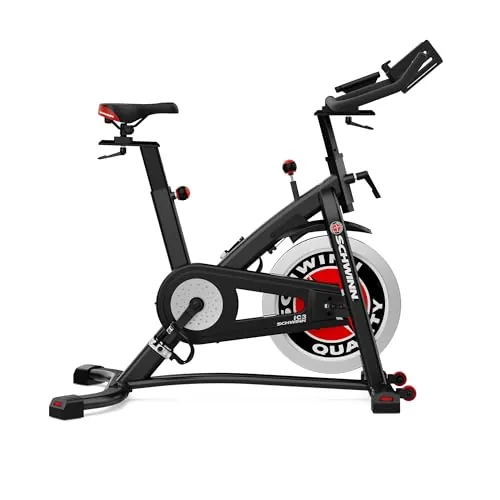
Yes. This sensor is commonly used on spin bikes and stationary bikes, especially when the bike does not show exact RPM. Reviews repeatedly mention use with Peloton-style setups, Schwinn IC4 bikes, Sunny bikes, and other indoor cycling arrangements where cadence feedback is useful for classes or intervals.
How accurate is the Wahoo RPM Cadence Sensor?
The listed measurement accuracy is ±1%, but customer feedback is mixed in real-world use. Many users say it reads cadence well for regular riding and spin sessions, while others report missed readings at lower cadences or instability at very high RPM. Positioning on the crank arm may affect results.
Does the Wahoo cadence sensor have battery-life issues?
Battery life is one of the more common concerns in review feedback. Some customers report the included CR2032 battery arriving low or draining sooner than expected. Others do not mention a problem. If battery convenience matters to you, it is worth factoring this mixed feedback into the purchase decision.
Can the sensor connect to both phones and bike computers?
Yes. The dual-band ANT+ and Bluetooth Smart support is one of the product’s key advantages. According to the listing, it can connect to smartphones, tablets, and ANT+-enabled bike computers. That makes it more flexible than sensors limited to a single connection standard.
Is this a good option for a simple indoor cycling setup?
For many users, yes. It is small, portable, quiet, and easy to pair with common training apps, which makes it practical for adding cadence tracking without changing bikes. Its main trade-offs are mixed connectivity reports, some battery complaints, and less consistent feedback at the edge of its usable cadence range.

Related Guides & Rankings