#1 Overall Winner
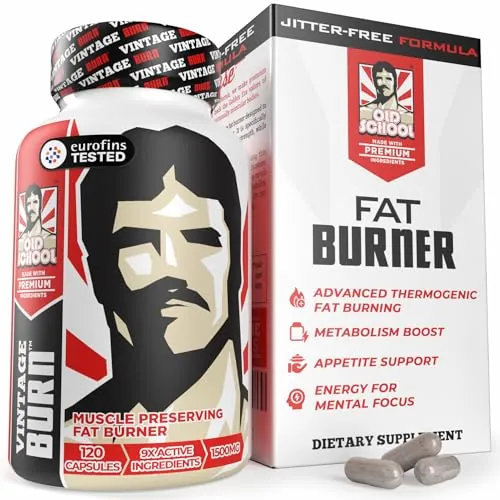
Old School Labs Vintage Burn Fat Burner (120 Capsules)
- Large review volume with generally positive sentiment around steady, “clean” energy
Comparison
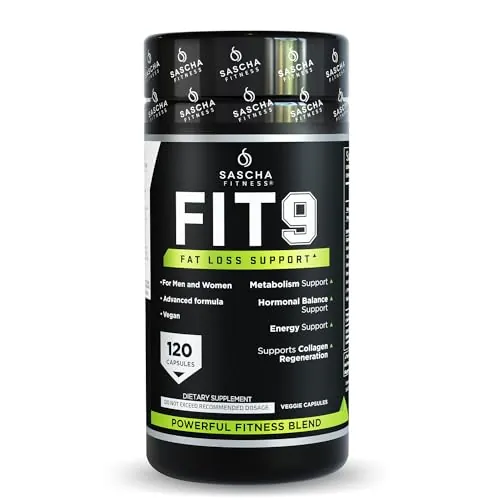
Old School Labs Vintage Burn and Sascha Fitness FIT9 are both fat-burner capsule supplements aimed at supporting weight-loss efforts alongside diet and exercise. FIT9 stands out for a higher average rating and strong satisfaction feedback, while Vintage Burn is frequently described as providing steady energy without jitters and has many reviews praising customer service. The better choice depends on which benefits you prioritise (energy feel, appetite support, and tolerance).
#1 Overall Winner
Contender
Choose Sascha Fitness FIT9 if you prioritise higher ratings and frequent feedback around appetite curb and noticeable support during a cut. Choose Old School Labs Vintage Burn if you want a thermogenic-style option often described as smooth energy without jitters and you value strong customer-service mentions. In both cases, results appear most tied to consistent diet and training.
Overall winner
Depends on your needs
| Feature | Old School Labs Vintage Burn Fat Burner (120 Capsules) | Sascha Fitness FIT9 Fat Loss Pills (120 Capsules) | Winner |
|---|---|---|---|
| Category | Fat-burner capsules | Fat-burner capsules | Tie |
| Price | $49.99 | $45.99 | Sascha Fitness FIT9 Fat Loss Pills (120 Capsules) |
| Average rating | 4.1/5 | 4.7/5 | Sascha Fitness FIT9 Fat Loss Pills (120 Capsules) |
| Review count | 15,854 | 15,618 | Old School Labs Vintage Burn Fat Burner (120 Capsules) |
| Diet positioning | Gluten free; keto; plant based; vegan; vegetarian | Vegan | Old School Labs Vintage Burn Fat Burner (120 Capsules) |
| Primary supplement type / blend focus | Primary supplement type listed: Raspberry Ketones | Multi-ingredient blend highlighted (e.g., 7Keto, green tea, DIM, L-theanine) | Depends |
| Energy feel (from reviews) | Often described as steady energy without jitters | Often described as energizing; some mention improved sleep | Depends |
| Appetite support (from reviews) | Many report reduced hunger/cravings; some report no appetite effect | Aggregated feedback frequently mentions appetite curb | Sascha Fitness FIT9 Fat Loss Pills (120 Capsules) |
| Ingredient transparency (based on provided scoring context) | Moderate transparency impression | Lower transparency impression | Old School Labs Vintage Burn Fat Burner (120 Capsules) |
| Ease of use | Capsules; simple routine | Capsules; simple routine | Tie |
| Portability / travel-friendliness | Small bottle; capsule format | Small bottle; capsule format | Tie |
| Safety considerations (from provided scoring context + reviews) | Sleep disruption risk if taken late; generally “no jitters” in many reviews | Mixed side-effect feedback (e.g., headaches mentioned); cautionary comments in reviews | Old School Labs Vintage Burn Fat Burner (120 Capsules) |
| Customer satisfaction sentiment | Strong satisfaction signals; many positive energy/appetite comments | Very strong satisfaction signals; frequent repurchase/recommendation comments | Sascha Fitness FIT9 Fat Loss Pills (120 Capsules) |
| Brand/support mentions | Customer service frequently praised in reviews | Support experience not highlighted in provided reviews | Old School Labs Vintage Burn Fat Burner (120 Capsules) |
| Best fit for small spaces/home storage | Very space-efficient (bottle) | Very space-efficient (bottle) | Tie |
For training use, both products function as optional “routine support” rather than direct workout tools: they’re mainly used to improve adherence through appetite management and energy. Vintage Burn’s reviews lean heavily toward a smooth, sustained energy feel that some users find useful for gym sessions and busy days, while FIT9’s feedback often centres on appetite curb and perceived body-composition support over a few weeks of consistent use. If your training already includes strength and cardio, the deciding factor is usually tolerance (sleep, headaches, digestion) and whether the product helps you stay consistent with nutrition.
Neither product directly improves strength the way equipment or proven training variables do, but both may indirectly support strength phases by helping users stay consistent with diet and energy. Vintage Burn is explicitly marketed around “preserving lean muscle,” and some reviewers describe maintaining training intensity while cutting. FIT9 reviews also mention staying energized, but the provided data doesn’t strongly connect it to strength-specific training outcomes. If strength performance is the priority, choose the option that best supports your sleep and recovery habits.
For cardio, the main relevance is perceived energy and motivation rather than any verified endurance effect. Vintage Burn reviews often describe feeling more “ready to go” for aerobic sessions without jitters, and some users mention it helping them get through longer conditioning work when combined with a plan. FIT9 also has frequent energy-related feedback, but with more mixed side-effect notes. If cardio is your focus, consider which product’s energy profile best matches your tolerance and timing needs.
Both products sit in the supplement category rather than being a nutrition staple like protein powder or creatine. In the provided data, Vintage Burn lists raspberry ketones as its primary supplement type and is positioned for energy, appetite support, and metabolism management; FIT9 highlights a blend including 7Keto, green tea, DIM, and L-theanine. Neither listing provides full dosage disclosure in the data you shared, which limits meaningful comparison of “how much” of each active you’re actually getting per serving.
If you’re sensitive to stimulants, note the recurring review guidance for Vintage Burn to avoid late-day dosing due to sleep disruption. With either product, the most reliable nutrition lever remains your overall calorie intake and protein targets—supplements may help adherence but don’t replace diet structure.

Performance here is best interpreted as how well each product seems to deliver its intended support (energy and appetite management) based on the provided reviews and context. Vintage Burn performs well for many users on “clean energy” and reduced cravings, with frequent comments about no jitters; however, appetite suppression isn’t consistent across reviewers, and fat-loss outcomes are largely anecdotal. FIT9 has a higher average rating and many customers report noticeable progress when paired with diet and exercise, but side-effect feedback is more mixed and some of its stronger marketing angles (fluid balance/cellulite/collagen support) aren’t well verified in the provided data.
As training-support tools, both supplements are most useful when they reduce friction: helping you show up to workouts and stick to your nutrition plan. Vintage Burn’s strongest training-support theme is steady daytime energy that users say helps them stay active and complete sessions, with multiple reminders to time doses earlier to protect sleep. FIT9’s training-support value comes through repeated appetite-curb and routine-adherence comments, including repurchase behavior in reviews. If your training suffers when you’re hungry, FIT9 may fit better; if you mainly need smooth energy, Vintage Burn may be the better match.
Strength training relevance is indirect for both products. Vintage Burn’s positioning around “muscle-preserving” support and review mentions of maintaining gym intensity during a cut make it the more strength-aligned option in the provided data, even though outcomes are not verified beyond anecdotes. FIT9’s feedback is less strength-specific and more general weight-loss support. For lifters, the practical differentiator is whether the supplement helps you keep calories controlled without disrupting sleep or causing side effects that reduce training quality.
For cardio support, Vintage Burn appears more aligned with conditioning routines in the provided reviews, where users describe sustained energy and the ability to push through aerobic activity without a jittery feel. FIT9 also has strong “energized” feedback, but the data includes more mixed side-effect discussion. If your cardio sessions happen later in the day, pay attention to the repeated timing advice (avoid late dosing) mentioned in Vintage Burn reviews, and consider whichever product best fits your schedule.
Safety considerations here are based on limited, non-clinical evidence from reviews and product positioning. With Vintage Burn, multiple reviewers warn against taking it too late due to sleep disruption, and stimulative effects are implied (caffeine is mentioned in at least one review). FIT9 has mixed side-effect feedback in the provided overview (including headaches for some users), and at least one review includes a serious health-related claim that is not verifiable from the provided data. For either product, personal tolerance, conservative timing, and reading the full label are important.
Comfort for these supplements mainly means how they feel day-to-day (stomach tolerance, jitters, headaches, sleep impact). Vintage Burn is frequently described as “no jitters” and not causing stomach upset for many users, though sleep disruption is a recurring theme if taken too late and at least one reviewer noted short-term digestive issues. FIT9 is often described as effective and sometimes gentle, but side effects are mixed in the provided overview, including headaches for some. Comfort therefore depends on individual tolerance, but Vintage Burn looks slightly more consistent in “smooth energy” feedback.
Both products are easy to use because they’re simple capsule supplements in compact bottles. Vintage Burn’s reviews include practical timing guidance (morning and early afternoon; avoid late dosing), which can make the routine clearer. FIT9 is similarly straightforward and is often described as a staple in routines, with some users cycling it and taking breaks. If you want the simplest, low-friction option, both are strong; the best choice is the one you can take consistently without disrupting sleep or causing unwanted effects.
Both products are highly space-efficient: small bottles that store easily in a kitchen cabinet, gym bag, or travel kit. If you’re building a minimalist home setup, either option fits well with virtually no footprint. The only practical “space” difference is how many bottles you plan to keep on hand if you cycle usage, but the products themselves are equally compact and clutter-free.
“Durability” is less relevant for consumable capsules than for equipment. Practically, both come in bottled capsule formats intended for routine use and storage. The provided data does not include packaging quality details, seal issues, or recurring complaints about capsule integrity. If durability concerns you, the most useful checks before buying are expiration date on arrival, intact safety seal, and consistent capsule condition—none of which are documented in the provided reviews here.
Maintenance is minimal for both supplements. There’s no mixing, cleaning, charging, or equipment upkeep—just consistent dosing and sensible storage. The main “maintenance” points are routine management (remembering doses), tracking how you feel (sleep, headaches, digestion), and reassessing whether it’s helping adherence to your nutrition plan. Based on reviews, Vintage Burn users commonly manage timing to avoid sleep issues; FIT9 users sometimes mention taking breaks between periods of use.
Both Vintage Burn and FIT9 are highly portable because they’re bottled capsules. They travel easily for work trips or gym bags and don’t require a shaker or refrigeration based on the provided information. If portability is your deciding factor, it’s effectively a tie—choose based on how each formula fits your routine and tolerance rather than carry convenience.
From the provided information, neither product includes enough label-level nutrition detail (like exact active dosages) to judge “quality” in a rigorous way. Vintage Burn is positioned as a premium ingredient formula and is listed as gluten-free and compatible with several diet types, while FIT9 is positioned as a multi-supplement blend and vegan. Customer reports for both focus on weight-loss support, appetite curb, and energy rather than clearly measurable nutrition outcomes. If nutrition quality is your primary concern, look for clearer supplement facts, dosing transparency, and tolerance fit rather than relying on marketing descriptions alone.
Ingredient transparency is limited for both products based on the provided data, but Vintage Burn comes across as clearer. Vintage Burn’s reviews repeatedly discuss named ingredients and describe the company as transparent, while the provided score context also leans in that direction. FIT9 lists several highlighted ingredients (such as 7Keto, green tea, DIM, and L-theanine), but the provided information does not include dosage amounts, which makes it harder to compare potency or assess how the formula is balanced. If transparency matters most, Vintage Burn has the edge on the evidence available here.
Taste is a minor factor since both products are capsules. A Vintage Burn reviewer mentions the capsules smell/taste slightly sweet, while FIT9 has at least one review that praises “taste,” though capsule taste feedback is generally less meaningful. If you’re sensitive to aftertaste, either may be acceptable, but neither product’s listing provides enough consistent taste detail to call a decisive winner.
Value is mixed for both products. FIT9 is slightly cheaper upfront and has stronger satisfaction signals, which can improve perceived value if it works well for you. Vintage Burn is slightly more expensive and has more frequent complaints about price, but it also has strong review volume and repeated comments about smooth energy and supportive customer service—benefits some buyers factor into value. In practice, the better value is the supplement you tolerate well enough to use consistently and that actually supports adherence to your diet and training plan.
Brand trust signals are strong for both due to high review counts and generally positive sentiment. Vintage Burn’s reviews repeatedly highlight responsive customer service and a company that “stands behind” the product, which strengthens trust in the brand experience. FIT9’s trust signals come more from consistently high ratings and repeat purchases, but the provided data includes less about customer support or guarantees. If brand support matters most, Vintage Burn has clearer evidence in the reviews provided.
Both products score well on customer satisfaction based on ratings, review volume, and the aggregated review summaries. FIT9 leads on average star rating and includes multiple “repurchase” style comments, plus frequent recommendations. Vintage Burn has slightly more reviews and many detailed accounts praising steady energy, reduced cravings, and customer service, but it also has more noticeable disagreement around whether it’s worth the price and whether appetite suppression is reliable. If you want the safer pick by crowd sentiment, FIT9 has the edge.
For both products, claim support is limited by the provided evidence. Many of the outcomes discussed (fat loss, body composition changes, appetite control) are primarily supported by customer anecdotes, which can be useful for expectations but aren’t the same as verified proof. Vintage Burn’s claims around energy and “no jitters” are more consistently echoed by reviewers, while its fat-loss and “muscle-preserving” positioning still relies heavily on personal reports. FIT9’s broader marketing claims (fluid balance, cellulite, collagen support) are not well substantiated in the provided data beyond customer impressions.
Sascha Fitness FIT9 is the slightly better pick for most shoppers on the data provided, mainly because it combines a lower price with a higher average rating and very strong customer satisfaction signals. Its biggest drawback is that side effects and ingredient-dose transparency are less clear in the information provided, and several marketing claims go beyond what’s well supported here.
Old School Labs Vintage Burn remains highly competitive, with extensive reviews emphasizing smooth, sustained energy and a notably positive customer-service reputation. Its main limitations are mixed appetite-suppression experiences and frequent price/value hesitation. If you want the safer crowd-sentiment choice, choose FIT9; if you prioritise “clean energy” feedback and brand support mentions, choose Vintage Burn.
Overall winner
Depends on your needs
Based on the provided data, neither is a clear universal winner. Sascha Fitness FIT9 stands out for higher average rating and very strong satisfaction signals, while Old School Labs Vintage Burn has extensive buyer feedback and repeated comments about steady energy without jitters. Your best pick depends on which effects you prioritise (energy feel, appetite support, and tolerance) and how you plan to use it alongside diet and training.
The reviews for both products repeatedly frame them as “assist” supplements rather than standalone solutions. Many customers describe better results when they keep nutrition and training consistent, and several reviewers explicitly note there are no “magic pills.” If you’re choosing between them, treat either product as optional support for adherence (energy/appetite) rather than the main driver of progress.
Both products are marketed for appetite support, and many users report reduced hunger or fewer cravings. However, Vintage Burn has mixed feedback—some reviewers say appetite suppression is noticeable, while at least one detailed review says it did not suppress appetite. FIT9’s aggregated feedback more consistently mentions appetite curb, but results remain individual.
Vintage Burn has more detailed review language about “clean, sustained energy” and avoiding jitters or crashes, plus multiple anecdotes about taking it earlier in the day to avoid sleep disruption. FIT9 also has repeated comments about feeling energized and staying active, but side effects appear more mixed. If you’re sensitive to stimulants, timing and personal tolerance matter with either.
Yes—based on customer feedback, responses vary. Vintage Burn reviewers commonly mention avoiding late-day doses due to sleep disruption; one reviewer noted mild digestive upset early on. FIT9’s aggregated feedback mentions mixed side effects, including headaches for some, while others say it’s gentle on the stomach. If you’re unsure, consider starting conservatively and monitoring your response.
From the provided score context and descriptions, Vintage Burn appears to have clearer perceived transparency than FIT9, with reviewers specifically praising disclosure and listing multiple named extracts. FIT9 highlights a “FIT9 ingredients” blend (including 7Keto, DIM, green tea, L-theanine), but the provided data does not include dosage details, making it harder to evaluate strength or compare directly.
Value is mixed for both. Vintage Burn is slightly higher priced and has reviewers split between “worth it” and “not worth the price.” FIT9 is slightly cheaper, yet still described by some as an “expensive investment.” In practice, value depends on whether you actually notice appetite/energy benefits and whether you can use it consistently without side effects.
Yes, both are positioned as compatible with vegan preferences in the provided listings. Vintage Burn lists diet types including plant based and vegan/vegetarian, and FIT9 is listed as vegan. If you have additional dietary needs (beyond vegan), Vintage Burn also lists gluten-free in its diet type, while FIT9 does not list that in the provided data.
Both are capsules and easy to take, but the day-to-day difference is often how they feel and how you time them. Vintage Burn reviews frequently mention steady energy and avoiding late doses to protect sleep. FIT9 reviews often focus on “kick-in” after a couple of weeks and perceived body-composition support. In either case, consistency and timing matter more than complexity.
Check our rankings and expert guides to find the best fitness products for your goals.