TrainingRanker
Menu
Amazon Basics 12-Inch vs 24-Inch Foam Roller

Comparison

Amazon Basics 12-Inch vs 24-Inch Foam Roller

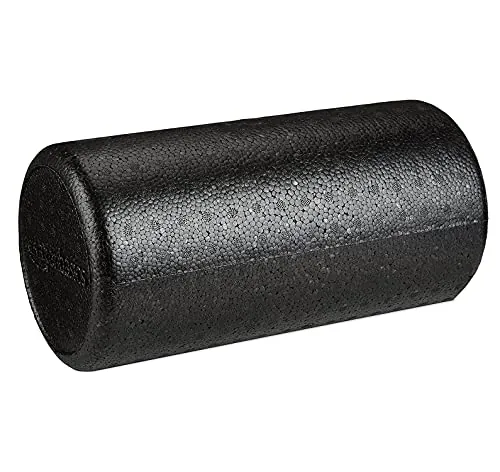
The Amazon Basics 12-inch and 24-inch high-density foam rollers share the same firm polypropylene material and 6-inch diameter, but serve slightly different routines. The 12-inch model prioritises compact, targeted use, while the 24-inch model provides more coverage for back, leg, mobility, and recovery work. Both are simple, smooth rollers, though their firmness will not suit every user.

Expert tested Data driven Unbiased reviews Updated 2 August 2026
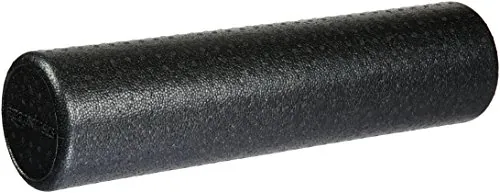
Amazon Basics High-Density Foam Roller for Exercise and Recovery, 12 Inches, Black

#1 Overall Winner

Amazon Basics High-Density Foam Roller for Exercise and Recovery, 12 Inches, Black

76/100
  • Compact 12-inch format is easy to store, carry, and reposition.
View review
Amazon Basics High Density Foam Roller for Exercise and Recovery, 24 Inches, Black

Contender

Amazon Basics High Density Foam Roller for Exercise and Recovery, 24 Inches, Black

85/100
  • Longer 24-inch format offers broader support for back, leg, and mobility work.
View review

Quick verdict

Choose the 24-inch roller for broader back and leg support, frequent home use, and a more versatile mobility routine. Choose the 12-inch roller for compact storage, travel-friendly use, and focused work on individual areas. Both are firm, smooth polypropylene rollers, so users sensitive to pressure may prefer to consider a softer alternative.

Overall winner

Depends on your needs

At-a-glance comparison

Feature Amazon Basics High-Density Foam Roller for Exercise and Recovery, 12 Inches, Black Amazon Basics High Density Foam Roller for Exercise and Recovery, 24 Inches, Black Winner

Length

12 inches

24 inches

Depends

Diameter

6 inches

6 inches

Tie

Material

Polypropylene

Polypropylene

Tie

Firmness

Firm

Firm

Tie

Mobility and flexibility

Strong for targeted work

Stronger for broader positions

Amazon Basics High Density Foam Roller for Exercise and Recovery, 24 Inches, Black

Recovery routine use

Good for focused areas

Excellent general coverage

Amazon Basics High Density Foam Roller for Exercise and Recovery, 24 Inches, Black

Durability

Generally solid; some deformation feedback

Frequently praised for shape retention

Amazon Basics High Density Foam Roller for Exercise and Recovery, 24 Inches, Black

Portability

Very compact and lightweight

Lightweight but longer

Amazon Basics High-Density Foam Roller for Exercise and Recovery, 12 Inches, Black

Small-space storage

Excellent

Good

Amazon Basics High-Density Foam Roller for Exercise and Recovery, 12 Inches, Black

Ease of cleaning

Wipes clean easily

Wipes clean easily

Tie

Comfort

Firm; can feel intense

Firm; can feel intense

Depends

Value

Lower-cost focused option

Higher-cost, more versatile option

Amazon Basics High Density Foam Roller for Exercise and Recovery, 24 Inches, Black

Detailed comparison

Recovery Support

For recovery-oriented routines, the 24-inch roller is the more versatile choice because it can cover the back, hips, legs, and shoulders with fewer changes in setup. Its buyer feedback also more consistently mentions shape retention during regular use. The 12-inch version is still effective for quick, focused rolling and is easier to keep close at hand in small spaces. Both are firm rollers, so users can control pressure through body positioning rather than expecting a soft, cushioned feel.

Training Use

Both rollers fit warm-ups, cool-downs, flexibility sessions, balance drills, and simple strengthening exercises. The 12-inch roller is more manoeuvrable for individual limbs and focused positions, while the 24-inch model gives more support for longer back and leg movements. For a compact home routine or gym bag, the shorter roller reduces friction around storage and transport. For a regular, all-purpose home mobility routine, the longer roller is more adaptable because users can move between targeted work and broader positions without changing equipment.

Strength Training

Neither product supplies external load or replaces resistance equipment, but both can support preparation and mobility around strength-training sessions. The 12-inch roller is useful when a user wants to address one area at a time before or after lifting. The 24-inch roller is more practical for broader floor-based exercises and for rolling the back or both legs. Reviews also mention use before leg training and squatting, but these are individual experiences rather than proof of a specific training outcome.

Mobility & Flexibility

Mobility and flexibility work are core uses for both rollers. The 12-inch size is effective when space is limited or when working on one calf, thigh, or section of the upper back at a time. The 24-inch roller is more accommodating for spine-length positions, bilateral leg work, and longer stretching setups. Both are firm rather than cushioned, so the best choice depends on whether portability or broader support is more important to your movement routine.

Recovery

Both models are intended for recovery-oriented rolling and are commonly described by buyers as useful after exercise or long periods of sitting. The 12-inch roller is a practical, low-cost tool for focused areas and easy storage. The 24-inch roller has the advantage for a more comprehensive routine, with buyers frequently citing use on the back, hips, shoulders, and legs. These reported experiences should be treated as personal feedback, not evidence of medical or therapeutic outcomes.

Performance

For their intended purpose, both rollers offer a simple firm surface for rolling, stretching, and exercise positions. The 12-inch model performs best when a user needs controlled, targeted contact and wants to move the roller easily between areas. The 24-inch version appears stronger for general use because the longer surface supports more back and leg positions, while its construction receives more consistent durability praise. The main performance concern for either choice is firmness: buyers vary considerably in whether they find the pressure supportive, comfortable, or overly intense.

Training Support

The 12-inch roller supports consistent training habits by being easy to store in a drawer, backpack, or small home setup. Its compact size can encourage quick, targeted mobility work, but it is less adaptable for longer floor positions. The 24-inch version offers more training variety, including broader back and leg work and some balance or floor-based exercise setups. It is therefore the more useful single roller for a regular home routine, while the 12-inch model is the more convenient add-on for users who prioritise portability.

Strength Training Analysis

These rollers are supplementary tools rather than strength implements, but they can fit around resistance sessions through mobility and positioning work. The shorter roller is easier to place under a particular limb or section of the upper back. The longer roller provides more stable coverage for full-back positions and may be more useful for general preparation around lower-body sessions. Neither listing includes resistance levels, load ratings, handles, or progression features, so users should not expect either model to function as a primary strength-training product.

Mobility & Flexibility Analysis

The 24-inch model has the edge for mobility because its length can support a wider portion of the back and makes bilateral leg or longer stretching positions easier to set up. The 12-inch version remains useful for isolated work and is easier to reposition in a confined area. Both models have a smooth, firm surface rather than a textured pattern, providing even pressure but not the more concentrated contact some users seek from ridged rollers. Firmness tolerance is the key comfort consideration.

Recovery Support

For recovery-oriented routines, the 24-inch roller is the more versatile choice because it can cover the back, hips, legs, and shoulders with fewer changes in setup. Its buyer feedback also more consistently mentions shape retention during regular use. The 12-inch version is still effective for quick, focused rolling and is easier to keep close at hand in small spaces. Both are firm rollers, so users can control pressure through body positioning rather than expecting a soft, cushioned feel.

Amazon Basics High-Density Foam Roller for Exercise and Recovery, 12 Inches, Black

Pros

  • Compact 12-inch format is easy to store, carry, and reposition.
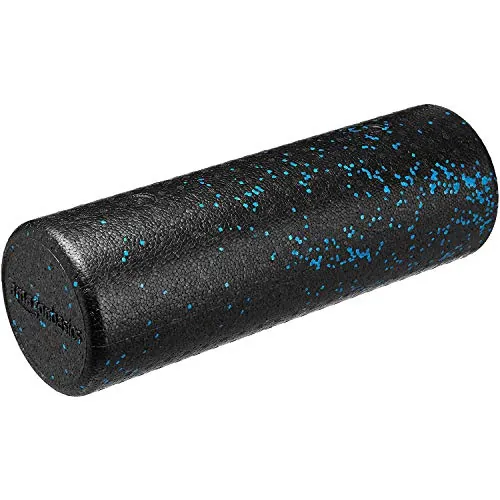
  • Firm polypropylene construction is intended to maintain its shape.
  • Smooth surface and molded edges support straightforward rolling and exercise use.
  • Well suited to focused work on smaller areas such as calves, thighs, and the upper back.
  • Wipes clean easily.
  • Low purchase price and strong buyer feedback support its value proposition.

Cons

  • The 12-inch length may be too short for users wanting full-spine or both-leg support.
  • Its firm surface has little give and may feel intense for some users.
  • Some feedback indicates deformation can occur after months of use.
  • The short format can require rolling each leg or area separately.
  • No texture, handles, or adjustable settings are listed.
Amazon Basics High-Density Foam Roller for Exercise and Recovery, 12 Inches, Black

Amazon Basics High Density Foam Roller for Exercise and Recovery, 24 Inches, Black

Pros

  • Longer 24-inch format offers broader support for back, leg, and mobility work.
  • Firm polypropylene construction is supported by frequent positive durability feedback.
  • Useful for both targeted rolling and two-leg or spine-length positions.
  • Smooth surface provides even pressure without raised texture.
  • Easy-to-clean, lightweight design remains practical for regular home use.
  • Large review base and positive buyer sentiment support its all-round appeal.

Cons

  • The 24-inch length takes up more storage and travel space than the 12-inch version.
  • Several buyers find the high-density surface too hard for their preference.
  • The 6-inch diameter and firm surface may feel less controlled in some exercise positions.
  • The smooth design does not provide the focused contact of a textured roller.
  • It costs more than the shorter version.
Amazon Basics High Density Foam Roller for Exercise and Recovery, 24 Inches, Black

Final verdict

The Amazon Basics 24-inch High Density Foam Roller is the clearer overall winner for most users. Its main strength is versatility: the added length improves support for the back, legs, and broader mobility positions, while review feedback is particularly favourable on construction and shape retention. Its main limitation is a firm feel that some users may find too intense, along with a larger storage footprint.

The 12-inch roller is not a lesser-quality alternative so much as a more specialised compact option. Its strengths are portability, easy storage, focused use, and a lower upfront price. Its main weaknesses are limited coverage and less consistent durability feedback. Choose according to space and preferred use, not simply length alone.

Overall winner

Depends on your needs

Frequently asked questions

Which is better, the Amazon Basics 12-inch or 24-inch foam roller?

The 24-inch roller is the stronger all-round choice for users who want more support for back, leg, and general mobility work. The 12-inch roller is the better fit when compact storage, lower cost, and targeted rolling are the priorities. Both use firm polypropylene foam, so comfort will depend largely on your tolerance for a firm surface.

Is the 12-inch Amazon Basics foam roller long enough?

The 12-inch version can work well for focused use on areas such as calves, thighs, and the upper back. It is less convenient for positions where a user wants support across the full back or both legs at once. Reviews are mixed on the length: some find it sufficient, while others would prefer a longer roller.

Is the 24-inch Amazon Basics foam roller better for back exercises?

The 24-inch model is generally the more practical option for back-focused stretching and rolling because its longer surface can provide broader support. Buyers frequently mention using it for the back, shoulders, and legs. However, it is still a firm roller, and some reviewers report that the pressure feels too intense for their preference.

Which Amazon Basics foam roller is better for small spaces?

The 12-inch model is the better small-space option. Its shorter length fits more easily in drawers, backpacks, and compact storage areas, while retaining the same 6-inch diameter and firm construction. The 24-inch version is still reasonably simple to store at home, but it has twice the length and is less convenient for travel.

Are these foam rollers suitable for beginners?

Either roller can be used in a beginner mobility routine, but their firm high-density construction may feel intense at first. The 12-inch version is easier to reposition and use on individual areas, while the 24-inch version offers more support in longer positions. Start with controlled pressure and choose the size that best matches the area and movement you plan to use.

Do the two rollers have different materials or firmness?

Both listings identify polypropylene as the material, a 6-inch diameter, a black finish, and a firm feel. Neither listing describes adjustable firmness or a textured surface. The meaningful specification difference is length: one measures 12 inches and the other measures 24 inches. Buyer feedback for both models shows mixed preferences regarding firmness.

Which foam roller offers better value?

The 12-inch roller has the lower initial price and is a practical value pick for targeted mobility or recovery use. The 24-inch roller costs more, but its longer format, stronger reported durability, and broader support make it the better value for users who will use a roller regularly for back, leg, and full-body routines.

Are the recovery claims for these foam rollers well supported?

The listings clearly support that both products are firm foam rollers intended for exercise, flexibility, and recovery-oriented use. Customer feedback commonly describes use after workouts and for tight areas, but these are individual experiences rather than clinical evidence. Neither listing provides detailed evidence for medical or therapeutic outcomes, so expectations should remain practical and personal.

Related comparisons

Still not sure which one to choose?

Check our rankings and expert guides to find the best fitness products for your goals.

View all rankings